

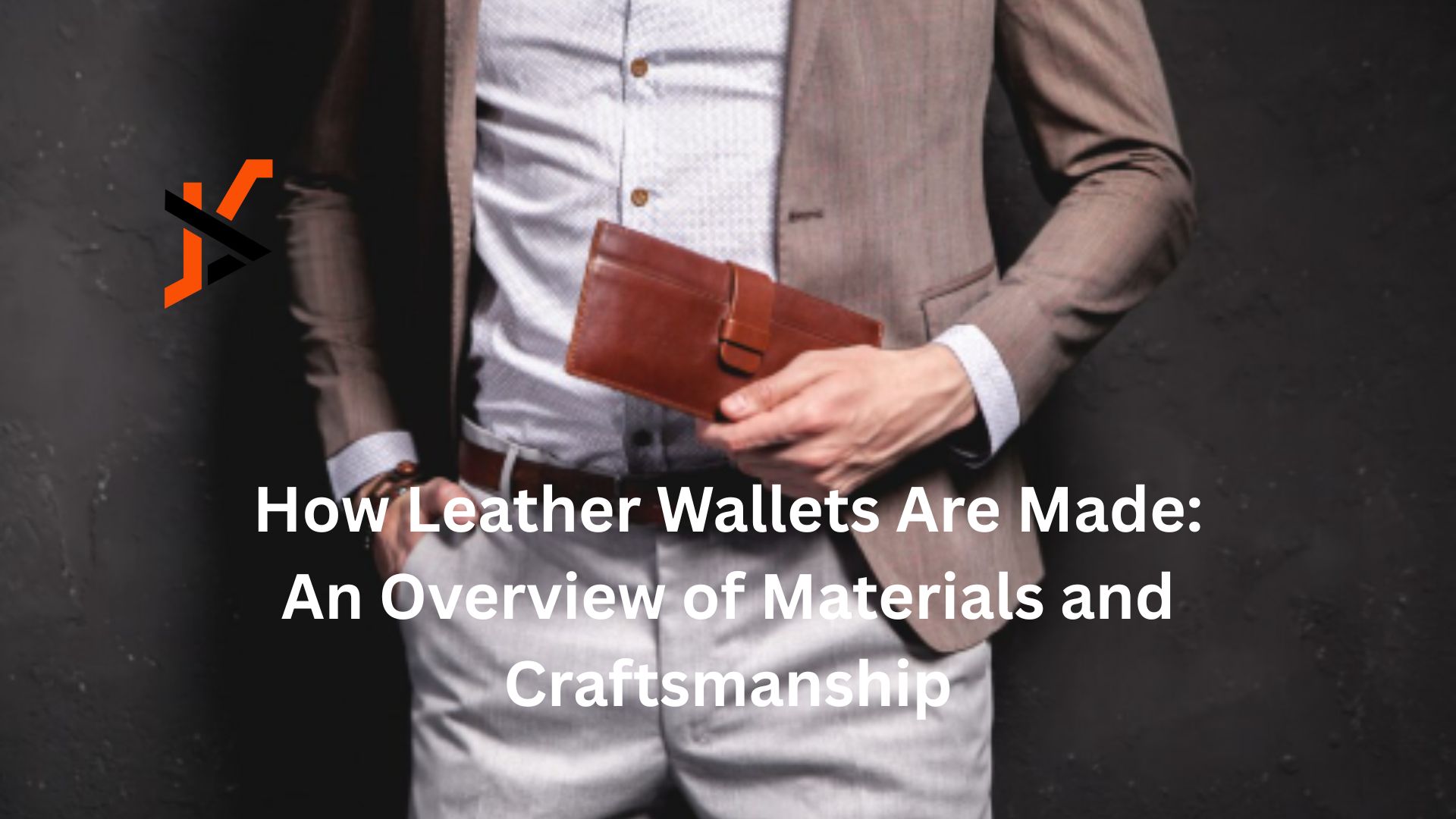
A good leather wallet stays with you for years. It holds your cash and cards. But not all wallets are the same. The secret of their durability lies in two things: the material and the craftsmanship.
The type of leather and the skill used to make it matter a lot. In this article, we will find out how a fine leather wallet is made.
Materials Used in Leather Wallets
The leather is of different qualities. Knowing all the types can help you pick the right wallet for your specific needs and wants.
Full-Grain Leather
A wallet made of full-grain leather is the best you can get. This material has a full, natural grain. It shows the skin’s true marks. You can see scars, veins, and wrinkles on your wallet, giving it the true feel of quality leather. Moreover, as time passes, the full-grain leather wallets (皮夾) gain a rich color. This is called a patina. It is a fact that the full-grain leather ages with grace.
Top-Grain Leather
This is a step down from full-grain leather. Its top layer is sanded to remove marks. This makes it feel soft and look even. Top-grain leather is still very good leather, but it is less stiff than full-grain. Many high-end brands use this, as it is a mix of looks, feel, and strength.
Genuine Leather
Genuine leather does mean real leather. But it is often the lowest grade and also not very strong. This material is often coated with a plastic feel and may not last for many years.
Other Materials
Your wallet is not just made of pure leather and has other materials too. A good one comes with a strong thread, which is often made from waxed linen or polyester. Your wallet may also have a cloth lining that will keep its shape. Even some leather wallets have metal clasps for style.
Craftsmanship and Process
Here is a detailed explanation of how a fine leather wallet is made.
Pattern Making and Cutting
First, the artist draws a plan, called a pattern. It is a guide for each piece of the wallet, and the leather is laid out accordingly. The expert then cuts the pieces by hand with a sharp tool.
Skiving or Thinning
A skilled expert uses a special knife. They shave the leather to make it thinner in some spots. This task needs a good eye and a steady hand.
Assembly and Gluing
As all the pieces are now ready, they are glued for a short time. This holds them in place for the next step. And this glue is not what keeps the wallet together for life. It is just a helper and ensures nothing shifts from its place.
Stitching
Holes are punched in the leather. Then, the artisan uses two needles, one at each end of the thread. They pass the needles through the holes. This creates a strong, locked stitch. This stitch is much stronger than one from a machine. It is a sign of true quality.
Edge Finishing
The raw edges of the leather are rough and need a finish. A special paint is put on them. This is done with a small tool or a brush. The paint is then heated to make the edges smooth and nice to touch.
