

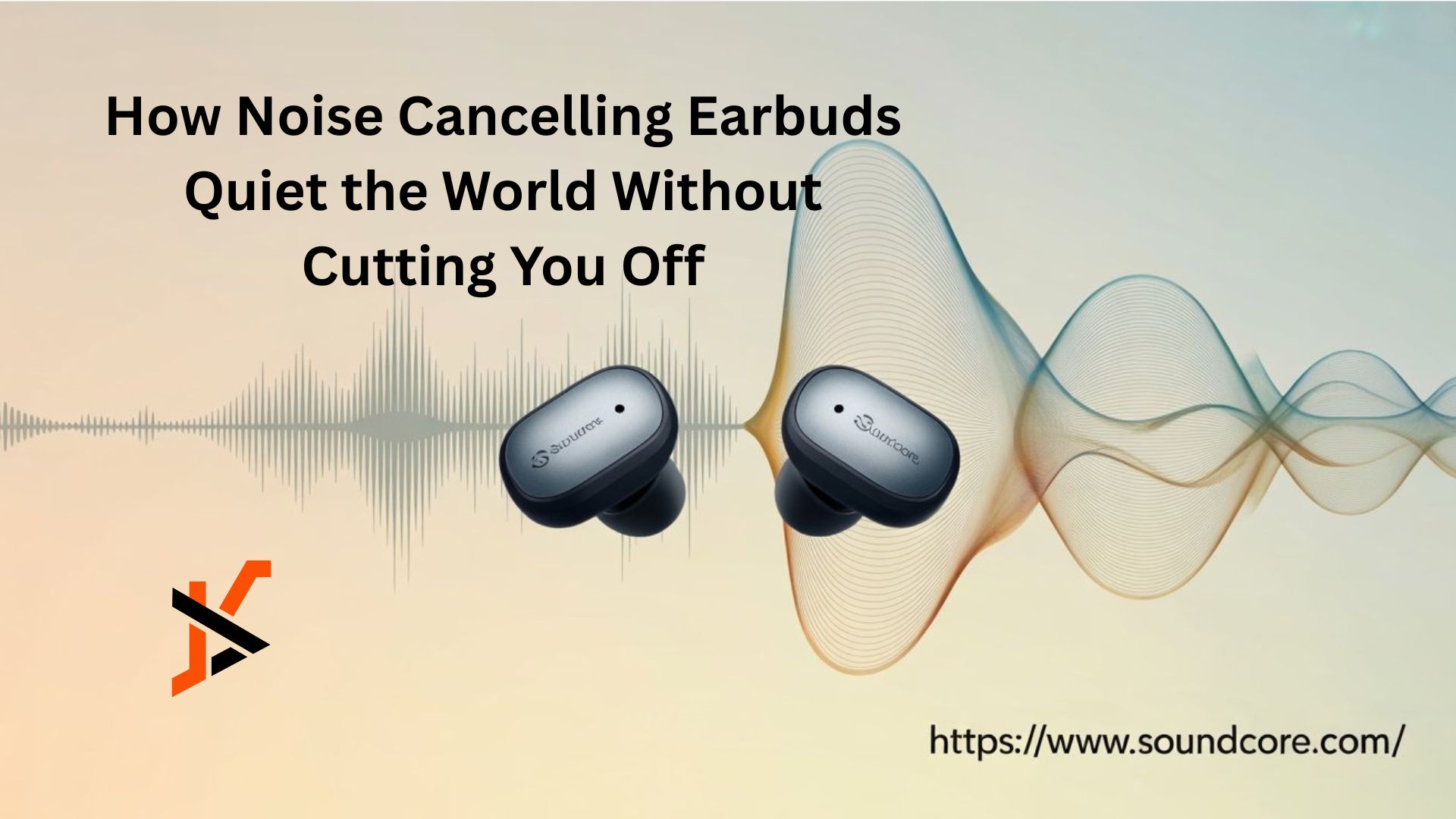
The first time noise cancelling earbuds really clicked for me wasn’t on a plane or in a crowded office. It was on a regular afternoon walk. Traffic rolling by. Wind moving through trees. Conversations passing in fragments. I turned noise cancellation on—not to escape, just to soften the edges.
The world didn’t disappear. It settled down.
That’s when I understood what good noise cancelling earbuds are actually for. Not silence. Control.
Noise is rarely loud—just relentless
Most daily noise isn’t dramatic. It’s constant.
Engines idling. Fans running. Distant construction. The hum underneath everything else. You don’t consciously register it, but your brain does, all day long. Over time, that low-level noise adds to mental fatigue.
The value of noise cancelling earbuds is that they reduce this background layer. Not perfectly. Not aggressively. Just enough to give your ears—and your head—some breathing room.
That’s why the best noise cancelling earbuds don’t feel impressive at first. They feel easier.
The difference between blocking sound and managing it
Early noise cancellation tried to erase everything. The result often felt artificial, like pressure inside your ears. Modern systems are more thoughtful.
They focus on steady, low-frequency sounds and let the rest of the world exist naturally. Voices don’t vanish completely. Sudden sounds still get through. You stay aware, just less overwhelmed.
That balance matters. When noise cancellation feels natural, you leave it on longer—and that’s when its real benefit shows up.
Fit: the quiet contributor
Noise cancellation gets the headlines, but fit does half the work.
A good seal improves isolation, bass response, and overall sound clarity. A bad fit forces the tech to compensate, often creating that uncomfortable “vacuum” sensation.
The best earbuds feel secure without feeling tight. They don’t need constant adjustment. After a while, you stop noticing them in your ears—and that’s when comfort for long wear becomes obvious.
Listening without turning the volume up
Here’s an underrated benefit of a good ANC: you listen more responsibly.
When background noise drops, you don’t need to overpower it. Music sounds full at lower volumes. Podcasts stay clear without straining. Details come through without effort.
This isn’t about audiophile perfection. It’s about listening that doesn’t wear you down. Balanced sound paired with effective noise cancellation feels calm, not intense.
Transparency modes change how you use earbuds
Noise cancellation is only half the story. The other half is letting sound back in—intentionally.
Good transparency modes don’t just pipe noise into your ears. They recreate it in a way that feels natural. Conversations sound real. Street noise stays directional. You don’t feel disconnected.
This makes a huge difference in everyday use. You keep your earbuds in while ordering coffee. You hear announcements. You stay aware while walking. Convenience like that quietly changes habits.
Calls expose everything
Music can hide flaws. Calls can’t.
Wind, traffic, background voices—this is where earbuds either prove themselves or fall apart. Noise cancelling earbuds should reduce distractions without crushing your voice or making you sound distant.
When it’s done right, you stop thinking about how you sound. You just talk. That confidence matters, especially if calls are part of your routine.
Battery life that supports real use
Battery life becomes a problem only when it’s unpredictable.
Most people use earbuds in short sessions throughout the day. That makes reliable charging more important than marathon playback numbers. A charging case that consistently tops things up and gives accurate feedback builds trust fast.
When you stop checking battery percentages, you know the system is working.
Why specs don’t tell the whole story
Noise cancellation isn’t a single number. It’s a feeling.
How relaxed are you after an hour? Do your ears feel pressured? Do you want to take the earbuds out, or forget they’re there? Those answers matter more than charts.
The best noise cancelling earbuds don’t announce themselves. They improve your day in small, repeatable ways.
Choosing earbuds based on your environment
Before choosing, think about where noise bothers you most.
Is it commuting? Working from home? Walking through busy streets? Travel? Different environments demand different balances of cancellation, transparency, comfort and sound.
When earbuds match your environment, they feel natural. When they don’t, even great specs can feel wrong.
When quiet becomes part of the background
Good noise cancelling earbuds don’t isolate you. They give you control.
You decide how much of the world comes in. You decide when to focus and when to stay open. That flexibility is what makes them useful beyond travel or work.
At their best, they don’t make life silent. They make it manageable.
And once you experience that kind of quiet—calm, balanced, intentional—it’s hard to imagine going back.
