

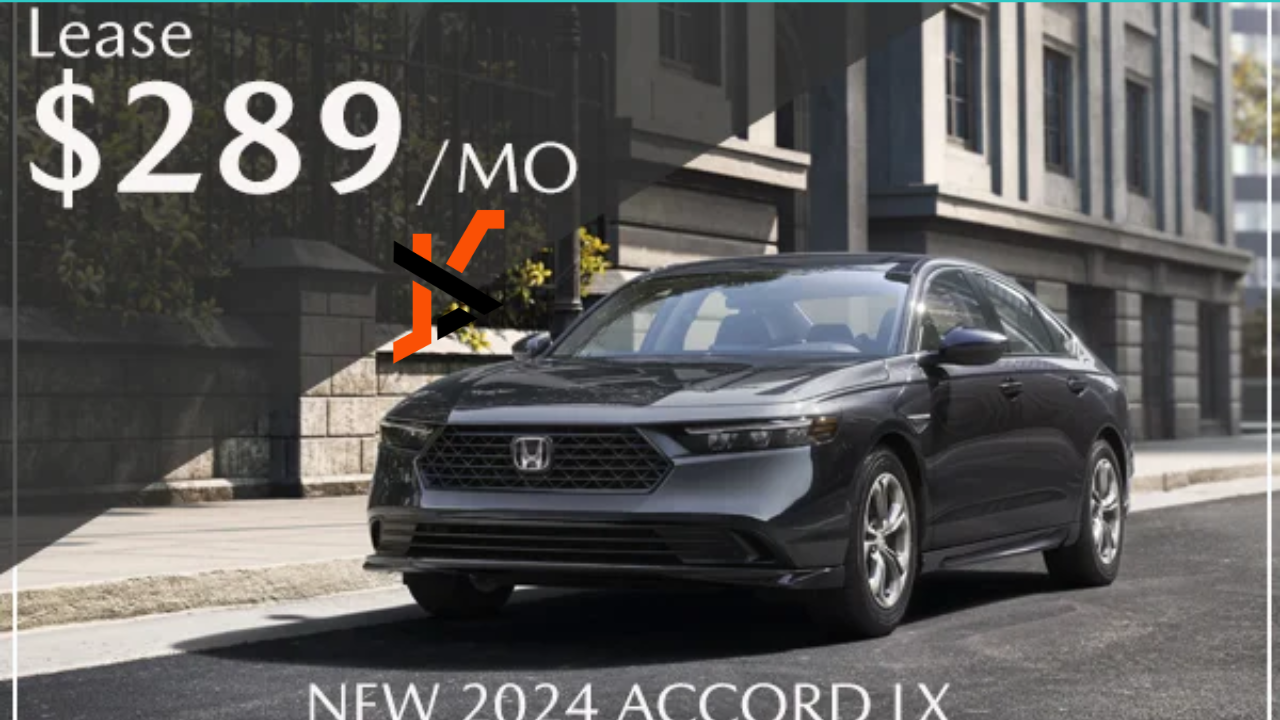
Deciding whether to lease or buy a Honda car is an important choice that impacts your finances, driving experience, and long-term vehicle ownership. Each option offers unique advantages and drawbacks, depending on your lifestyle, budget, and preferences. If you’re exploring your options and considering a purchase or lease at a Honda dealership Blacksburg, VA, understanding the key differences between leasing and buying can help you make an informed decision that suits your needs.
Understanding the Basics of Leasing a Honda
Leasing a Honda means you’re essentially renting the vehicle for a fixed period, typically two to three years. During the lease, you make monthly payments based on the car’s depreciation, plus interest and fees, rather than the full purchase price. At the end of the lease term, you return the vehicle and have the option to lease a new model or buy the vehicle at its residual value.
Leasing is popular for its lower monthly payments and the ability to drive a new car every few years, but it comes with mileage limits and other restrictions.
Key Benefits of Leasing a Honda
Leasing a Honda offers several notable advantages:
- Lower Monthly Payments: Because you’re paying for depreciation and not the entire car cost, lease payments are usually more affordable than loan payments.
- Driving the Latest Models: Leasing allows you to upgrade to newer models with advanced technology, safety features, and fuel efficiency every few years.
- Lower Repair Costs: Leases often coincide with the manufacturer’s warranty period, reducing out-of-pocket expenses for repairs.
- Minimal Upfront Costs: Many leases require little or no down payment, making it easier to get behind the wheel with less money upfront.
For those who value driving a new vehicle regularly without the long-term commitment, leasing is an attractive option.
Common Drawbacks of Leasing a Honda
While leasing has clear perks, it also has limitations that might not suit everyone:
- Mileage Restrictions: Lease contracts typically limit annual mileage to 10,000-15,000 miles. Exceeding these limits can result in costly per-mile fees.
- No Ownership Equity: When the lease ends, you return the car and own nothing, unlike buying where you build equity.
- Wear and Tear Charges: You’re responsible for maintaining the car and may face fees for excessive wear or damage at lease-end.
- Customization Limits: Modifications to the car are generally prohibited during the lease term.
Leasing is best for those who drive moderate miles, keep their cars in good condition, and prefer lower monthly costs over ownership.
Understanding the Basics of Buying a Honda
Buying a Honda means you either pay cash or finance the full purchase price. You own the vehicle outright once the loan is paid off or immediately if you pay in full. This grants full control over the car, with no mileage limits or end-of-term returns required.
Ownership gives you flexibility to keep the vehicle for many years, customize it, and eventually sell or trade it.
Key Benefits of Buying a Honda
Buying a Honda also has its advantages:
- Full Ownership: You have complete control over your car, with no restrictions on mileage or modifications.
- No Monthly Payments Eventually: Once you pay off your loan, your only costs are maintenance and insurance.
- Long-Term Value: Keeping a vehicle for many years often proves more cost-effective than leasing multiple cars over the same time.
- Trade-In or Sell Anytime: You can sell or trade your car whenever you want, using its value as a down payment for your next vehicle.
Buying is a great option if you drive a lot, prefer long-term investment, or want to avoid restrictions.
Common Drawbacks of Buying a Honda
Despite its benefits, buying comes with challenges:
- Higher Monthly Payments: Loan payments tend to be higher than lease payments since you’re paying the entire vehicle cost.
- Depreciation Risks: The car’s value drops over time, which can affect resale or trade-in value.
- Repair Costs After Warranty: Once the manufacturer’s warranty expires, you are responsible for all repairs and maintenance.
- Large Upfront Costs: Buying often requires a larger down payment compared to leasing, which might strain your budget initially.
Buying suits those who want long-term use and ownership, but it demands higher initial and monthly expenses.
Comparing Financial Impacts: Lease vs Buy
Financially, the decision between leasing and buying a Honda depends on your priorities:
- Monthly Payments: Leasing offers lower payments, which can improve cash flow or allow you to drive a higher trim level.
- Total Cost Over Time: Buying can be less expensive long term if you keep the car well past the loan payoff, while leasing can be costlier if you lease repeatedly.
- Down Payment: Leasing typically requires less upfront money, making it easier to acquire a new vehicle with less cash.
- Taxes and Fees: Leasing often includes taxes on monthly payments only, while buying taxes the full purchase price upfront.
It’s essential to calculate the total cost of each option based on your planned ownership period and mileage to understand which suits your budget.
Lifestyle and Usage Considerations
Your driving habits and lifestyle are critical factors when deciding lease vs. buy:
- Annual Mileage: If you drive well over the average mileage allowed on leases, buying is usually better to avoid penalties.
- Vehicle Usage: Leasing is ideal if you want a reliable, new car with warranty coverage for commuting or daily driving. Buying may suit those needing a work vehicle or one they expect to keep for years.
- Desire for New Models: Leasing suits tech-savvy drivers who want the latest features without selling a used car. Buyers tend to keep vehicles longer, sacrificing new tech upgrades.
- Flexibility: Buying offers freedom to modify or customize your car; leasing restricts such changes.
Consider how you plan to use your Honda and how long you want to keep it when choosing.
End-of-Term Options and Flexibility
When your lease or loan ends, your options differ:
- Lease End: You return the car, pay any end-of-lease fees, and decide whether to lease another Honda or walk away. Some leases offer the option to purchase the vehicle at a predetermined price.
- Loan End: Once your loan is paid off, you own the car outright and can keep, sell, or trade it as you wish.
Lease-end fees and conditions may add unexpected costs, while ownership gives you complete freedom.
Considering Your Credit and Financing Terms
Your credit score affects leasing and financing terms differently:
- Lease Qualification: Leasing companies often require good to excellent credit, as they rely on timely payments to mitigate risk.
- Loan Financing: Buyers with less-than-perfect credit might face higher interest rates, increasing loan costs. However, some financing programs accommodate a broader credit range.
It’s wise to check your credit before visiting the dealership and explore financing and leasing offers tailored to your credit profile.
When Leasing Makes the Most Sense
Leasing a Honda may be the better choice if you:
- Prefer lower monthly payments and minimal upfront costs
- Like driving a new vehicle every few years
- Drive moderate miles annually and keep vehicles in good condition
- Want to avoid repair costs as your car stays under warranty
- Value the latest safety and tech features regularly
Leasing aligns with drivers who enjoy flexibility and predictability without the burden of ownership.
When Buying Makes the Most Sense
Buying a Honda is preferable if you:
- Drive a lot of miles annually or have unpredictable driving patterns
- Plan to keep your vehicle for many years to maximize value
- Want to build equity and own the vehicle outright eventually
- Need the freedom to customize or modify your car
- Prefer avoiding lease-end fees and mileage penalties
Buying suits those looking for long-term investment and independence.
Conclusion
Choosing between leasing and buying a Honda depends on your financial situation, driving habits, and personal preferences. Leasing offers lower monthly payments, new vehicles every few years, and warranty coverage, ideal for drivers who prioritize flexibility and affordability. Buying provides full ownership, no mileage limits, and long-term value, perfect for those who want to keep their car for years and build equity. To explore all your options and receive personalized guidance, you can confidently decide whether leasing or buying is the best path to driving your next Honda.
