

Introduction
Medical oncology is a vital branch of modern medicine that focuses on the diagnosis, treatment, and management of cancer using non-surgical approaches. As cancer continues to be one of the leading causes of morbidity and mortality worldwide, medical oncology plays a crucial role in improving survival rates, enhancing quality of life, and advancing personalized cancer care. Through the use of systemic therapies such as chemotherapy, immunotherapy, targeted therapy, and hormonal treatment, medical oncologists address cancer at a cellular and molecular level.
Over the past few decades, medical oncology has evolved rapidly due to groundbreaking research, technological advancements, and a deeper understanding of cancer biology. Today, it stands at the center of multidisciplinary cancer care, working closely with surgical oncology, radiation oncology, pathology, radiology, and supportive care teams. This article provides a detailed overview of medical oncology, its scope, treatments, challenges, and future directions.
What Is Medical Oncology?
Medical oncology is a medical specialty dedicated to the treatment of cancer using medications and systemic therapies. Unlike surgical oncology, which focuses on tumor removal, or radiation oncology, which uses high-energy radiation, medical oncology targets cancer cells throughout the body.
Medical oncologists are trained physicians who specialize in:
- Diagnosing various types of cancer
- Designing individualized treatment plans
- Administering systemic therapies
- Monitoring treatment response
- Managing side effects and complications
- Providing long-term follow-up and survivorship care
Because cancer often spreads beyond its original site, medical oncology is essential for controlling both localized and metastatic disease.
Role of a Medical Oncologist
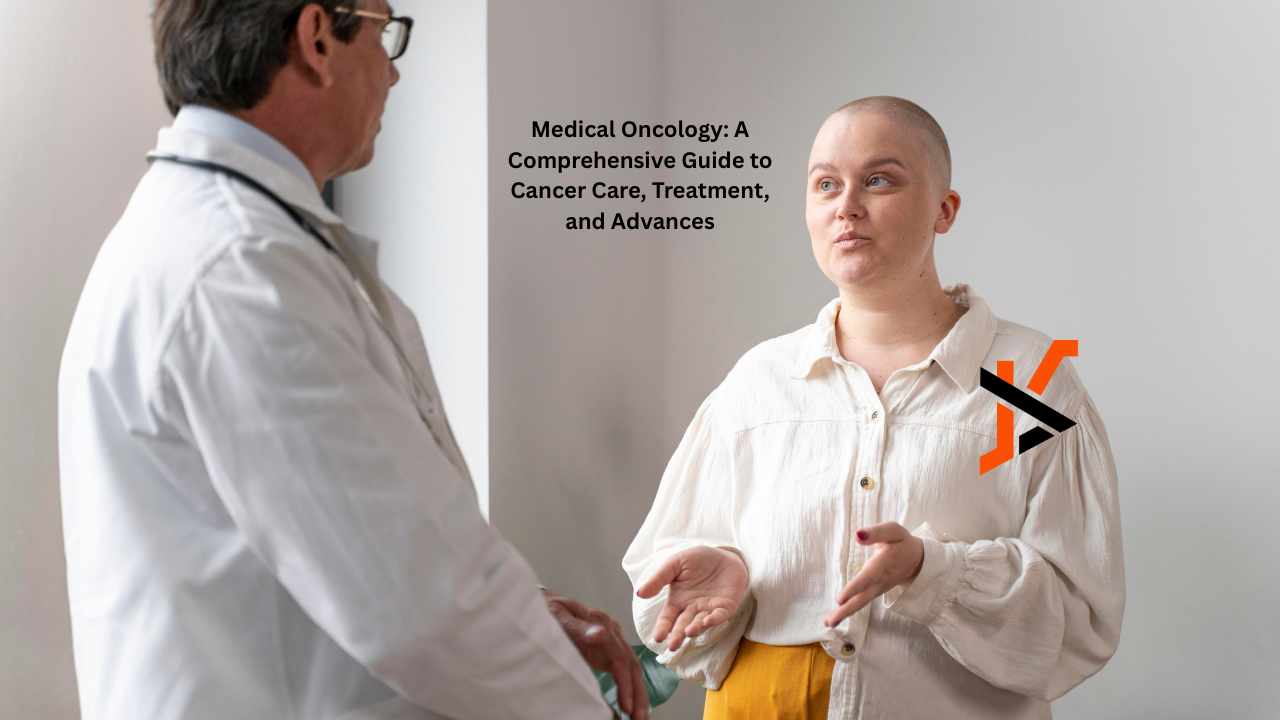
A medical oncologist serves as the primary cancer doctor for many patients. Their role extends beyond prescribing drugs; they act as coordinators, counselors, and long-term caregivers.
Key Responsibilities
- Cancer Diagnosis and Staging: Reviewing pathology reports, imaging studies, and molecular tests
- Treatment Planning: Selecting appropriate therapies based on cancer type, stage, and patient factors
- Systemic Therapy Administration: Overseeing chemotherapy, immunotherapy, and targeted treatments
- Side Effect Management: Addressing nausea, fatigue, infections, anemia, and other complications
- Patient Counseling: Explaining prognosis, treatment options, and expected outcomes
- Follow-Up Care: Monitoring for recurrence and managing survivorship issues
Medical oncologists often build long-term relationships with patients, guiding them through complex and emotionally challenging journeys.
Types of Cancer Treated in Medical Oncology
Medical oncology covers a wide range of malignancies, including:
- Breast cancer
- Lung cancer
- Colorectal cancer
- Prostate cancer
- Ovarian cancer
- Leukemia and lymphoma
- Multiple myeloma
- Gastrointestinal cancers
- Head and neck cancers
Each cancer type requires a tailored approach based on its biology, genetic profile, and response to treatment.
Systemic Therapies in Medical Oncology
The cornerstone of medical oncology is systemic therapy—treatments that circulate through the bloodstream to reach cancer cells throughout the body.
Chemotherapy
Chemotherapy involves the use of cytotoxic medications designed to destroy cancer cells that divide quickly. While effective, it can also affect normal cells, leading to side effects such as hair loss, nausea, and bone marrow suppression.
Despite newer therapies, chemotherapy remains a key component of medical oncology, particularly for aggressive or advanced cancers.
Targeted Therapy
Targeted therapy works by interfering with specific genes or molecular pathways that are responsible for the development and progression of cancer. These treatments are designed to attack cancer cells while sparing normal tissues.
Examples include:
- Tyrosine kinase inhibitors
- Monoclonal antibodies
- Angiogenesis inhibitors
Targeted therapies have transformed medical oncology by improving outcomes and reducing toxicity.
Immunotherapy
Immunotherapy harnesses the body’s immune system to recognize and destroy cancer cells. It represents one of the most significant breakthroughs in medical oncology.
Common forms include:
- Immune checkpoint inhibitors
- CAR-T cell therapy
- Cancer vaccines
Immunotherapy has shown remarkable success in cancers such as melanoma, lung cancer, and certain blood cancers.
Hormonal Therapy
Hormonal therapy is used in cancers that depend on hormones for growth, such as breast and prostate cancer. It works by blocking hormone production or preventing hormones from binding to cancer cells.
This approach is often used as long-term treatment and is a key part of medical oncology practice.
Multidisciplinary Approach in Medical Oncology
Cancer care is rarely delivered by one specialist alone. Medical oncology operates within a multidisciplinary framework that includes:
- Surgical oncologists
- Radiation oncologists
- Radiologists
- Pathologists
- Oncology nurses
- Palliative care specialists
- Psychologists and social workers
Tumor board meetings are a common practice, where experts collaborate to design the most effective treatment plan for each patient.
Advances and Innovations in Medical Oncology
Medical oncology is one of the fastest-evolving medical fields. Continuous research and clinical trials have led to significant advancements.
Precision Medicine
Precision medicine tailors cancer treatment based on genetic, molecular, and environmental factors. By analyzing tumor DNA, medical oncologists can select therapies most likely to be effective.
Biomarkers and Genomic Testing
Biomarkers help predict treatment response and prognosis. Genomic testing allows for the identification of actionable mutations, making medical oncology more personalized than ever.
Artificial Intelligence and Data Analytics
AI is increasingly used in medical oncology for:
- Predicting treatment outcomes
- Optimizing drug selection
- Enhancing diagnostic accuracy
These technologies are improving efficiency and patient outcomes.
Side Effects and Supportive Care in Medical Oncology
While cancer treatment can be life-saving, it often comes with side effects. Managing these effects is a critical aspect of medical oncology.
Common Side Effects
- Fatigue
- Nausea and vomiting
- Hair loss
- Infections
- Neuropathy
- Emotional distress
Supportive and Palliative Care
Medical oncology integrates supportive care to improve quality of life. This includes pain management, nutritional support, psychological counseling, and end-of-life care when necessary.
Early integration of palliative care has been shown to improve patient satisfaction and outcomes.
Challenges in Medical Oncology
Despite progress, medical oncology faces several challenges:
- Rising cancer incidence
- High cost of cancer therapies
- Limited access to specialized care in low-resource settings
- Drug resistance
- Emotional and physical burden on patients and providers
Addressing these challenges requires policy reform, global collaboration, and continued research.
Education and Training in Medical Oncology
Becoming a medical oncologist requires extensive training:
- Medical degree
- Residency in internal medicine
- Fellowship in medical oncology or hematology-oncology
Ongoing education is essential due to rapid advancements in the field. Conferences, journals, and clinical trials play a key role in professional development.
Future of Medical Oncology
The future of medical oncology is promising. Emerging areas include:
- Personalized cancer vaccines
- Gene editing technologies
- Combination therapies
- Early cancer detection through liquid biopsies
As science advances, medical oncology will continue to shift toward more precise, effective, and patient-centered care.
Conclusion
Medical oncology is a cornerstone of modern cancer treatment, offering hope and healing to millions of patients worldwide. Through systemic therapies, personalized medicine, and multidisciplinary collaboration, medical oncology addresses cancer in its many forms. While challenges remain, continuous innovation and research are reshaping the future of cancer care.
As our understanding of cancer biology deepens, medical oncology will continue to evolve, improving survival rates and quality of life for patients. Its role is not only to treat disease but also to support individuals and families through one of life’s most difficult journeys.
