

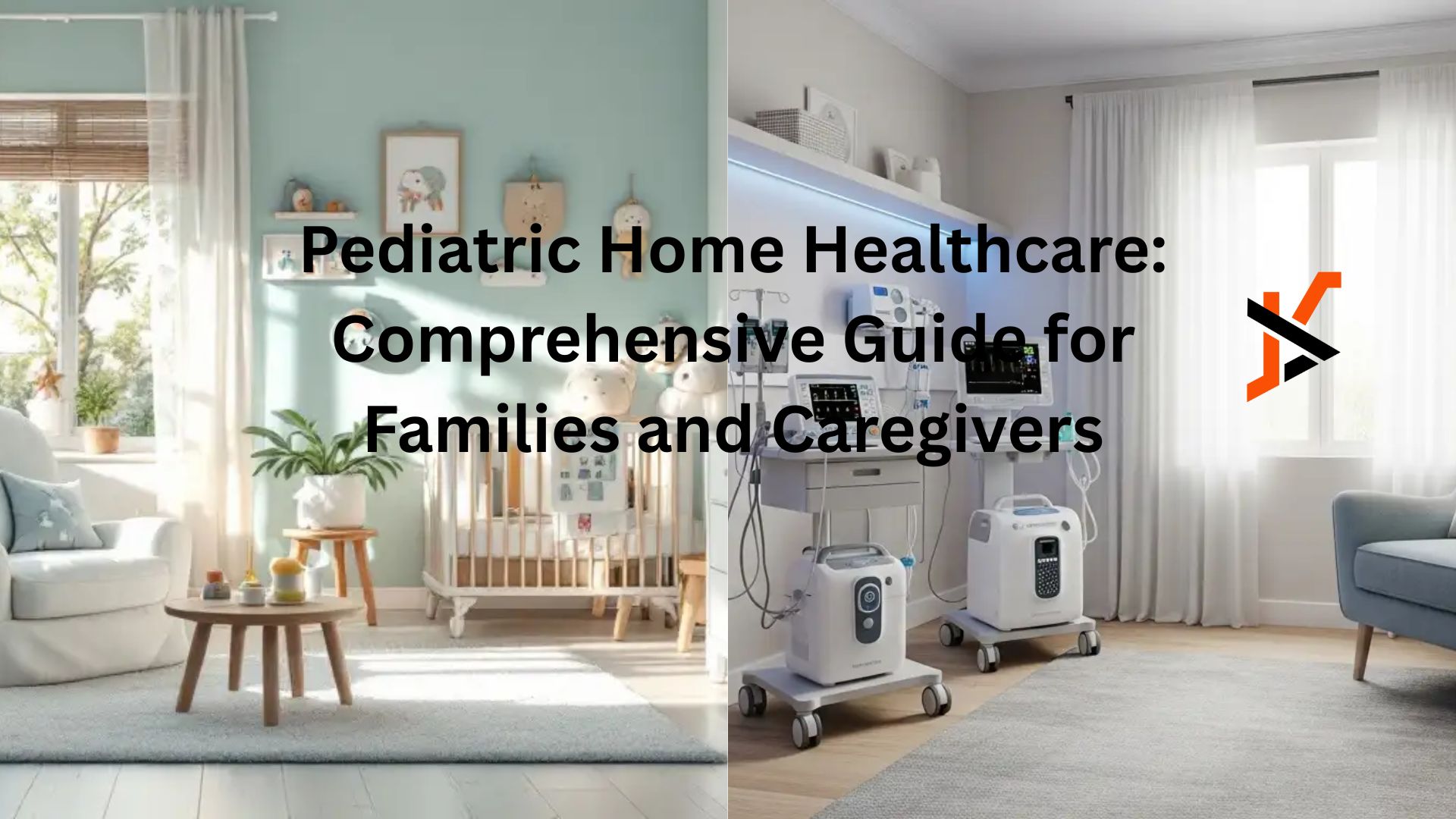
Introduction to Pediatric Home Healthcare
Pediatric home healthcare is a specialized form of medical care provided in the comfort of a child’s home. This type of care supports children with chronic illnesses, disabilities, or complex medical needs that require ongoing medical attention outside of a traditional hospital or clinical setting. With advancements in medical technology and a growing focus on patient‑centered care, pediatric home healthcare has become a vital option for many families seeking high‑quality, personalized support for their children.
Why Pediatric Home Healthcare Matters
Families of children with medical needs often face significant emotional, logistical, and financial challenges. Pediatric home healthcare eases many of these burdens by bringing professional care directly into the home. This approach preserves the family unit, promotes continuity in education and social development, and offers a familiar environment that can significantly improve a child’s comfort and overall well‑being. Whether a child needs respiratory therapy, physical rehabilitation, or skilled nursing support, pediatric home healthcare provides tailored services that adapt to each child’s unique requirements.
Core Services in Pediatric Home Healthcare
Pediatric home healthcare encompasses a wide range of services designed to meet the physical, developmental, and emotional needs of children with medical complexities. Some of the most common services include skilled nursing care, medication management, respiratory therapy, and developmental support.
Skilled Nursing Care
Skilled nursing is at the heart of pediatric home healthcare. Registered nurses trained in pediatric care manage medical treatments, monitor vital signs, administer medications, and collaborate with physicians to adjust care plans. They are also trained to use specialized equipment and respond to emergencies, ensuring that the child receives safe and constant monitoring.
Respiratory and Ventilator Support
Many children requiring pediatric home healthcare depend on respiratory support. Trained respiratory therapists assist with ventilator care, suctioning, airway clearance, and other breathing‑related therapies. Providing these services at home helps reduce hospital stays and empowers families to manage complex respiratory needs confidently.
Medication Management
Administering medications to children with multiple prescriptions can be overwhelming. Pediatric home healthcare professionals organize, administer, and monitor medications while educating families about proper dosing, potential side effects, and adherence strategies. This reduces medication errors and enhances treatment effectiveness.
Rehabilitation Therapies
Children with developmental delays or physical disabilities often benefit from pediatric home healthcare rehabilitation services. Physical therapists, occupational therapists, and speech therapists work collaboratively to enhance mobility, independence, communication, and daily functioning. These therapies help children reach developmental milestones and improve their quality of life.
Nutritional Support
Proper nutrition is essential for growth and healing. Pediatric home healthcare includes nutritional assessments, feeding support, and guidance from dietitians or nutrition specialists. For children with feeding tubes or swallowing difficulties, trained professionals ensure safe and effective nutritional delivery.
Benefits of Pediatric Home Healthcare
Personalized Care in a Familiar Setting
One of the biggest advantages of pediatric home healthcare is that care is tailored to the child’s specific needs in an environment where they feel most comfortable. Hospitals can be stressful and sterile, whereas home environments promote relaxation, security, and consistent family involvement.
Reduced Hospital Readmissions
When children receive ongoing pediatric home healthcare, they are less likely to experience complications that lead to hospital readmissions. Regular monitoring, early intervention, and professional guidance all contribute to more stable health outcomes.
Cost‑Effective Healthcare
While pediatric home healthcare can vary in cost depending on the level of service required, it is often more cost‑effective than prolonged hospital stays or frequent emergency room visits. Insurance plans, including Medicaid and private insurers, often cover many aspects of pediatric home healthcare, making it accessible to qualifying families.
Enhanced Family Involvement
Family members play a central role in pediatric home healthcare. Training provided by healthcare professionals equips parents and caregivers with the knowledge and confidence to assist in care tasks, recognize signs of medical issues, and participate actively in care decisions.
Who Can Benefit from Pediatric Home Healthcare?
Pediatric home healthcare is appropriate for a wide range of medical conditions and circumstances. Children with the following needs often benefit significantly from home‑based care:
- Chronic Illnesses: Conditions such as cystic fibrosis, muscular dystrophy, diabetes, or severe asthma require ongoing management that can be supported at home.
- Complex Medical Needs: Children dependent on ventilators, feeding tubes, or frequent IV therapies benefit from home‑based care to minimize hospital dependence.
- Developmental Disabilities: Conditions like cerebral palsy or genetic disorders often require continuous therapeutic support that pediatric home healthcare can deliver.
- Post‑Surgical Recovery: After major surgery, pediatric home healthcare can support recovery with wound care, pain management, and rehabilitation therapies.
How to Access Pediatric Home Healthcare
Accessing pediatric home healthcare typically involves several key steps, often coordinated with the child’s primary physician or specialist.
Physician Referral
Most insurance plans require a physician’s referral or prescription for pediatric home healthcare. The doctor evaluates the child’s medical needs and determines the necessary level of care.
Insurance Verification and Authorization
Once a referral is in place, the healthcare provider coordinates with insurance to determine coverage and obtain authorization for services. Coverage may vary based on the child’s condition, services requested, and policy details.
Care Plan Development
After approval, healthcare professionals conduct a comprehensive assessment to create a personalized pediatric home healthcare plan. This plan outlines the services, frequency of visits, goals of care, and roles of family members.
Ongoing Evaluation and Adjustment
Pediatric home healthcare is dynamic, with plans adjusted as the child grows or their medical needs change. Regular communication between the family, healthcare providers, and physicians ensures that the child continues to receive appropriate support.
Challenges and Considerations in Pediatric Home Healthcare
While pediatric home healthcare offers many benefits, families may encounter challenges that require planning and support.
Emotional and Physical Demands on Families
Caring for a medically complex child can be emotionally and physically demanding. Even with professional support, caregivers may experience fatigue, stress, or burnout. Connecting with support groups, respite care resources, and counseling services can provide essential relief and community.
Coordinating Multiple Services
Children with complex needs often require various therapies and specialists. Coordinating appointments, communicating between providers, and tracking care progress can be overwhelming. Pediatric home healthcare agencies often offer care coordination services to streamline communication and scheduling.
Insurance Limitations and Coverage Gaps
Insurance policies vary widely in their coverage of pediatric home healthcare. Families may face limitations on hours of care, types of services covered, or out‑of‑pocket costs. Understanding policy details and advocating for necessary services is crucial.
Tips for Maximizing Pediatric Home Healthcare
Families can take proactive steps to maximize the effectiveness of pediatric home healthcare for their child.
- Stay Involved in the Care Plan: Ask questions, understand treatment goals, and participate in care decisions. Your insights as a caregiver are invaluable in shaping effective care.
- Keep Detailed Records: Track symptoms, medications, therapy progress, and medical equipment use. Detailed records help healthcare providers make informed decisions.
- Communicate Regularly: Maintain open communication with nurses, therapists, and physicians. Timely updates ensure that any concerns are addressed promptly.
- Seek Support Networks: Connect with other families experiencing similar challenges. Support groups, both in person and online, offer emotional support and practical advice.
The Future of Pediatric Home Healthcare
As healthcare continues to evolve, pediatric home healthcare is poised to grow in importance. Technological innovations such as telemedicine, remote monitoring devices, and advanced therapeutic tools are expanding the scope of what can be safely and effectively delivered at home. These advancements promise to enhance care outcomes, increase family engagement, and reduce the burden on hospital systems.
Conclusion
Pediatric home healthcare represents a compassionate, practical, and effective approach to caring for children with complex medical needs. By bringing skilled care into the home, families can provide comfort, stability, and continuity for their children. While challenges exist, the benefits of personalized care, reduced hospital stays, and enhanced quality of life make pediatric home healthcare an invaluable option for many families. With the right support, resources, and care team, children can thrive in the environment that suits them best—their home.
