

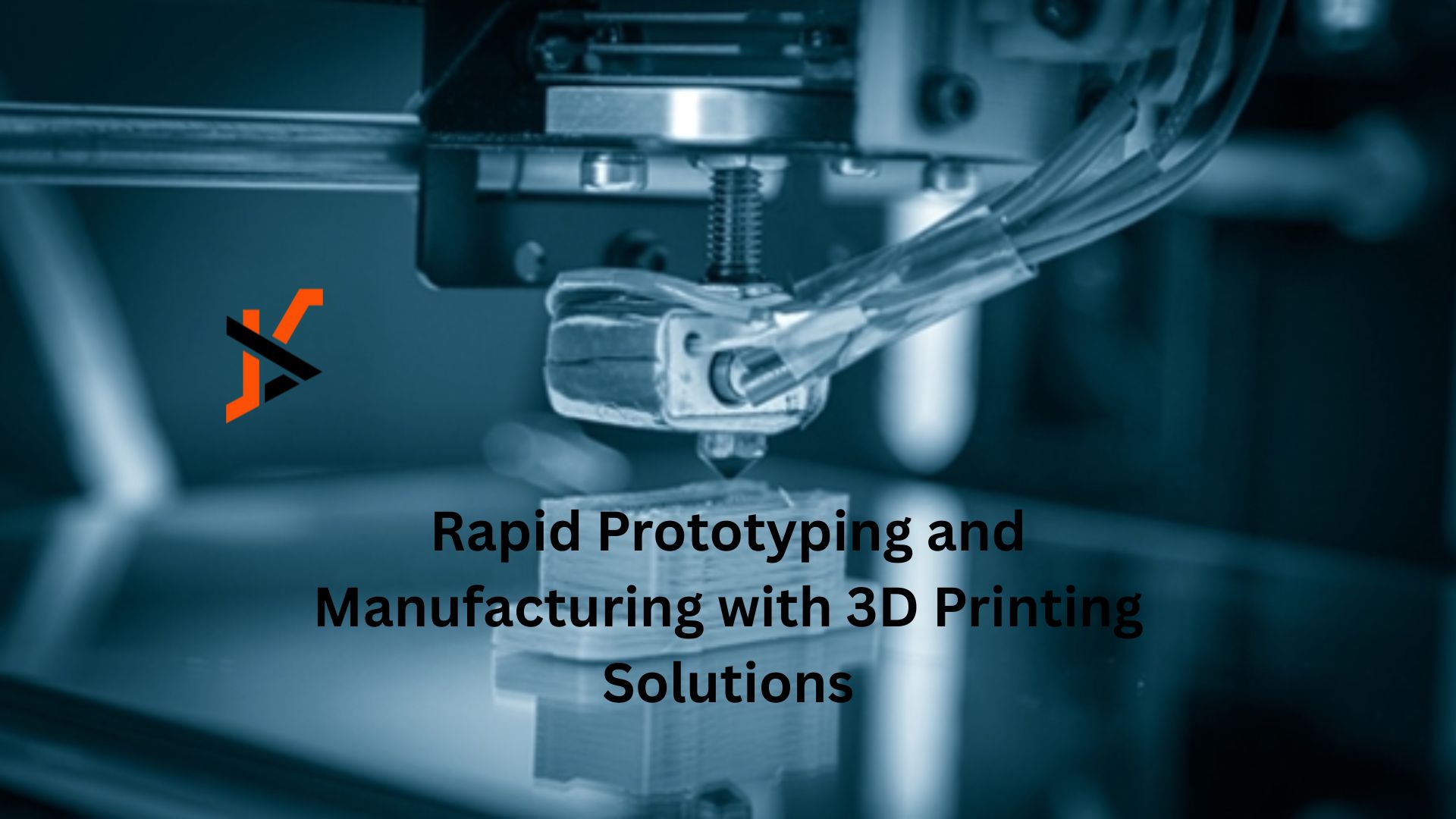
3D printing, also known as additive manufacturing, has become a cornerstone in modern prototyping and manufacturing. It provides a means to quickly turn digital designs into tangible objects, diversifying approaches in industries ranging from automotive to healthcare.
This technology enables users to develop prototypes at an unprecedented speed and cost-efficiency, reshaping traditional manufacturing narratives. As a result, businesses have embraced 3D print service not only as a tool for innovation but also as a strategy for reducing production times and costs.
Background and origins
3D printing technologies originated in the 1980s, with early iterations focusing on stereolithography. Inventors like Chuck Hull laid the groundwork for what would become a rapidly evolving field. These initial developments highlighted the potential for creating complex shapes without traditional manufacturing constraints.
As technology advanced, so did its applications, with industries beginning to explore uses beyond mere prototyping. The ability to produce customised components on demand promised a fundamental shift in production dynamics.
Developments and growth
The evolution of 3D printing technologies has been marked by significant advancements in materials, speed, and precision. Notably, the introduction of new printing materials such as metals, composites, and biomaterials has expanded the scope of applications. Companies like Protolabs have driven innovation by providing on-demand 3D printing services, facilitating quicker product development cycles and market entry.
Modern 3D printers are capable of producing intricate designs with minimal waste, which has led to increased interest from sectors such as aerospace and medicine, where precision and sustainability are paramount.
Current situation
Currently, 3D printing is a well-integrated part of many industrial workflows. It is not only used for prototyping but also for manufacturing end-use parts. The adoption of additive manufacturing continues to grow as more organisations recognise its potential to transform traditional supply chains and enhance product innovation.
Applications are diverse, with ongoing exploration into bioprinting, construction, and even fashion, illustrating the technology’s versatility and broad appeal.
Influence and significance
3D printing’s impact extends beyond industry, potentially altering educational, social, and economic frameworks. By lowering entry barriers for product development, it can democratise innovation and enable localised manufacturing. Additionally, it encourages sustainable practices by reducing material usage and waste.
The ongoing advancements in 3D printing suggest a future where personalised production becomes a standard, influencing market dynamics and consumer expectations.
Conclusion
3D printing has proven to be a transformative force in prototyping and manufacturing, offering efficiency and innovation at multiple levels. Its ability to streamline processes and foster creativity underscores its enduring relevance and growing influence across various sectors.
Future prospects for 3D printing remain promising, with continued advancements likely to further integrate this technology into diverse aspects of modern life.
