

Interior Design Focus
In modern interior design, materials play a transformative role—not just in defining colour, shape or texture, but in creating ambience, rhythm and identity. When we introduce a material like the ribbed real-wood veneered panels into a scheme, suddenly surfaces that were once passive become active: they draw the eye, provide structure, and elevate the sense of space. In this article we explore how designers can leverage such panels, together with other strategies, to create thoughtful, engaging interiors.
The changing role of surfaces
Gone are the days when walls simply served as colour backgrounds. Today, surfaces are integral to the narrative of a room—serving as backdrops, focal points, textural transitions and even spatial dividers. From deep‑grain stone to micro‑textured finishes, designers use surfaces to articulate mood, scale and hierarchy. Introducing ribbed wood‐veneer surfaces lifts the design language: the material itself communicates richness, craftsmanship, and an appreciation for tactile detail.
Establishing a coherent material palette
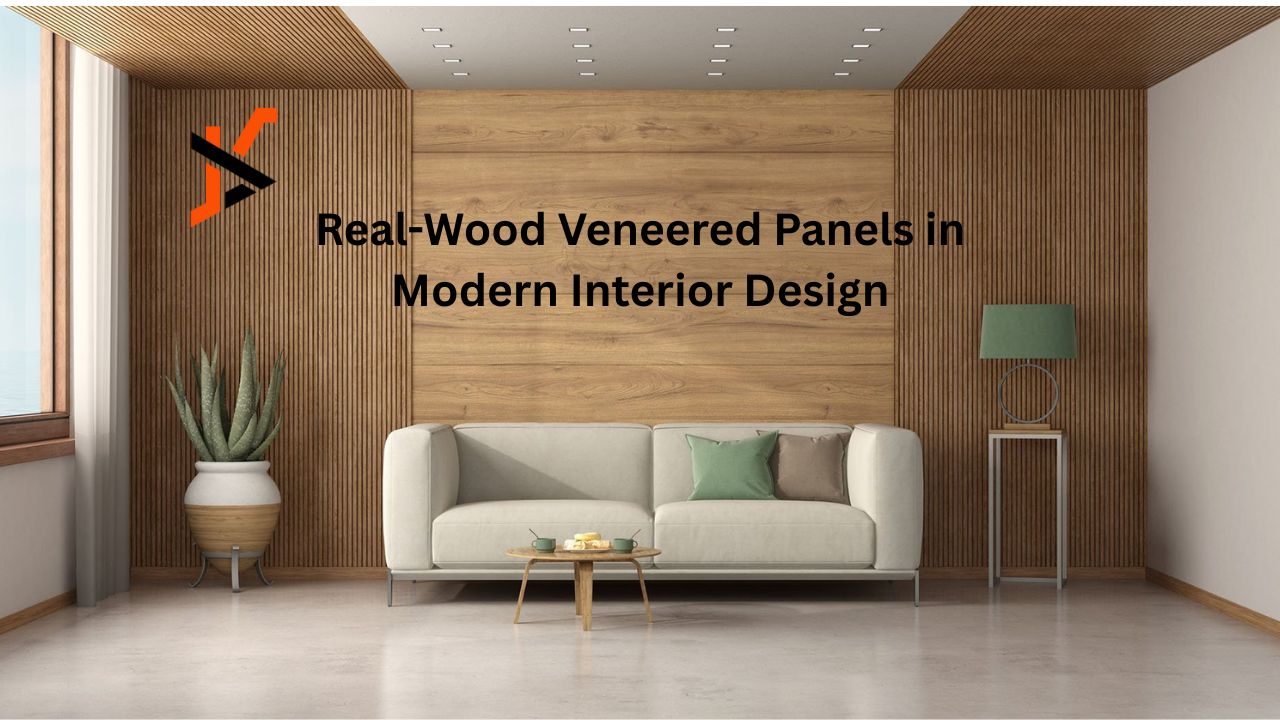
When designing any space—residential or commercial—it’s wise to begin with a core palette of materials, typically including a dominant finish (walls, flooring), a supporting finish (joinery, accent walls) and one or two special‐feature finishes. Ribbed real wood veneered panels can function as that special feature finish. For example: imagine a living room where the fireplace wall is clad in vertical ribbed walnut veneer panels; the ribs provide subtle shadow lines, the wood tone grounds the space, while the other walls are kept simple in matte paint to let the feature wall shine.
In integrating such panels, it’s critical for designers to think about scale, rhythm and contrast. A wall clad floor‑to‑ceiling in ribbed panels becomes an undeniable statement—so the adjacent surfaces should provide calming contrast (perhaps flat paint or subtle texture). If the panel is used more modestly (say, behind a TV unit or as part of cabinetry), you might play with horizontal orientation or alternate rib widths to create layered interest.
Creating rhythm and verticality
One of the strongest visual effects of ribbed panels is the creation of rhythm. The repeated lines of the ribs guide the eye along their path. When ribs run vertically, they extend the line of vision upward, enhancing perceived height in a space. In a room with somewhat low ceilings, this can be a clever trick to lift and elongate the space. Conversely, using ribs horizontally can visually expand the width of a room, useful in narrow spaces.
Designers can exploit this effect in multiple ways:
Use vertical ribs on a full wall to emphasise height and create a feature elevation.
Use a horizontal band of ribbed panels as a dado or mid‑wall emphasis to draw attention across a space.
Change rib size or spacing across a panel run to introduce a playful gradient of texture.
Combine ribbed veneer panels with concealed lighting (e.g., LED strip to the top of wall) to emphasise the rib shadows and add drama.
Coordinating finishes and hardware
When engaging ribbed veneer panels in your design, consider how to coordinate adjacent joinery, lighting, and hardware. For instance: if the panel is used for a wardrobe door system, make sure the door edges are flush and the rib pattern aligns across doors for continuity. Hardware (handles, rails) should ideally interrupt the rib pattern minimally or align with the ribs for harmony.
Lighting becomes especially important: the rib texture benefits from grazing light (light at a shallow angle) so that shadow lines form. Designers should test lighting positions, fixture angles and wall-colour surface reflectance to make sure the texture reads well — not lost in flat lighting or over-glossy finishes. For finish choice: a mid-mat lacquer or oil on the veneer will maintain natural appeal; high gloss can cause glare and subdue rib texture.
Practical considerations during design & installation
As with any high‑performing finish, a ribbed real wood veneered panel demands good detailing. Because the veneer is real wood, movement with humidity/temperature must be anticipated: surfaces should be stable, fixings appropriate, and expansion joints accounted for. If the panel system has a fire‑rated or acoustic core (such as those developed for commercial spaces) check certification early. For example, some ribbed systems integrate acoustic absorption and fire classification B‑s1,d0.
On installation, substrate flatness is key—ribbed profiles highlight any unevenness. Detailing at joints, corners, and terminations should be treated with precision so the rib pattern is uninterrupted or neatly justified. Pre‐finished panels (with veneer already glued) save time, but any onsite finishing (edge trims, touch‐ups) must match species, grain direction and finish sheen.
Combining with other elements
To create a balanced design, ribbed veneer panels should be considered alongside other materials. Here are ways to integrate them thoughtfully:
Contrast with smooth surfaces: A ribbed wall contrasted with a matte plaster ceiling creates softness vs texture.
Layered finishes: Behind a ribbed panel install slim lighting profiles or floating shelves to add depth.
Complementary wood tones: If the panels are oak veneer, other joinery or flooring might reference the same species to create continuity but vary finish (e.g., matte floor, gloss panel).
Metal or stone accents: The linear rhythm of the ribs pairs well with brushed brass or black metal trims, or vertical stone fins, creating a sophisticated materials mix.
Colour framing: While the panel is natural wood, you might frame it with a darker colour to contain the visual weight, enabling the rib texture to read as a piece of “art” rather than wall.
Case scenarios
Hospitality reception area: A hotel lobby wall clad entirely in vertical ribbed walnut veneer panels behind the reception desk becomes a signature backdrop—warm, textured, and branded. To enhance it, the lighting can be hidden at the top rail so the ribs cast subtle shadows.
Residential living‑dining open plan: Use ribbed oak veneer panels on one long run of wall (say where the sideboard sits) to anchor the area. On the other side, keep walls in a soft neutral paint to allow the wood to dominate visual weight and provide natural warmth.
Executive office boardroom: Behind the boardroom table install ribbed veneer panels in a dark stain (e.g., walnut or smoked oak). Complement with leather chairs, metal accents and a low‑gloss finish so the texture remains subtle but authoritative.
Sustainability, cost and value
Because the panels use real wood veneer (which is thin), they present a more sustainable option than solid hardwood slats, while still delivering natural aesthetic. Many veneer producers now offer FSC certification, emissions declarations and life‑cycle documentation.
