

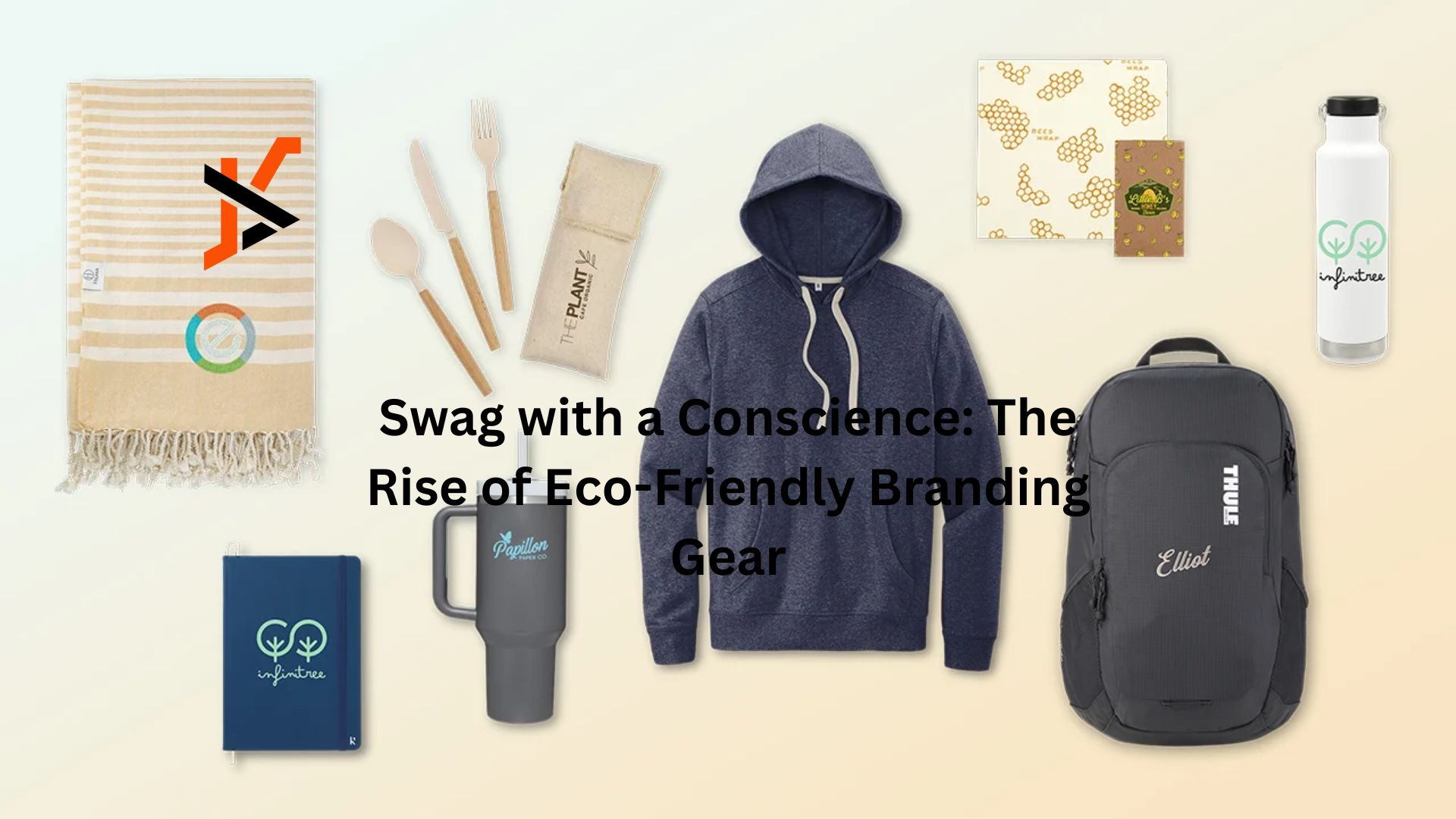
Introduction to Eco-Friendly Branding
In recent years, the conversation around sustainability has shifted significantly, influencing various industries, including marketing and branding. Eco-friendly branding gear, often referred to as “swag with a conscience,” has emerged as a powerful tool for businesses looking to align their products with their corporate social responsibility initiatives. This post explores the essential elements that contribute to the rise of eco-friendly branding gear, its importance, and how companies can effectively implement sustainable practices in their promotional strategies.
Understanding Eco-Friendly Materials
The foundation of eco-friendly branding lies in the materials used to create promotional products. Traditional swag often consists of plastics and other non-biodegradable materials that contribute to environmental degradation. However, eco-friendly branding gear utilizes sustainable materials such as:
1. Organic Cotton: Grown without synthetic pesticides or fertilizers, organic cotton is a popular choice for apparel.
2. Recycled Plastics: Items made from recycled materials help reduce waste and promote a circular economy.
3. Bamboo: This rapidly renewable resource is used in various products, from utensils to clothing.
4. Biodegradable Materials: Products made from materials that decompose naturally minimize long-term environmental impact.
By selecting these materials, companies not only contribute positively to the planet but also enhance their brand image through responsible practices.
The Consumer Demand for Sustainability
Today’s consumers are increasingly aware of their purchasing decisions’ environmental implications. A study by Nielsen indicated that 66 percent of global consumers are willing to pay more for sustainable brands. This statistic underscores the growing trend where consumers prefer brands that demonstrate a commitment to environmental sustainability.
Brands that prioritize eco-friendly practices are more likely to attract loyal customers who appreciate transparency and ethical behavior. Moreover, this shift in consumer preference creates an opportunity for businesses to differentiate themselves from competitors by incorporating eco-friendly branding gear into their marketing strategies.
The Benefits of Eco-Friendly Branding Gear
Investing in eco-friendly branding gear offers numerous advantages for businesses:
1. Brand Loyalty: Consumers tend to remain loyal to brands that share their values, particularly regarding sustainability.
2. Positive Public Image: Companies seen as environmentally conscious often enjoy enhanced reputation and credibility.
3. Employee Engagement: Employees are more inclined to take pride in working for companies committed to sustainable practices.
4. Competitive Edge: As the market for eco-friendly products grows, brands that adopt these practices can stand out from traditional counterparts.
These benefits extend beyond marketing; they create a holistic approach that resonates with stakeholders at every level.
Case Studies: Successful Implementation
Several companies have successfully embraced eco-friendly branding gear, setting examples for others:
1. Patagonia: This outdoor apparel brand is renowned for its commitment to sustainability, using recycled materials and promoting environmental activism through its marketing campaigns.
2. Starbucks: The coffee giant has incorporated reusable cups and biodegradable packaging into its operations while actively encouraging customers to reduce waste.
3. Totally Branded: Known for providing high-quality promotional products, Totally Branded has made significant strides in offering eco-friendly options that resonate with environmentally conscious clients.
These examples highlight how effective the integration of sustainability can be when aligned with a brand’s core values.
How to Choose Eco-Friendly Branding Gear
Selecting the right eco-friendly branding gear involves careful consideration of several factors:
1. Assess Material Sources: Ensure that the materials used are genuinely sustainable and ethically sourced.
2. Consider Product Lifecycle: Evaluate how long the product will last and whether it can be reused or recycled.
3. Align with Brand Values: Choose products that reflect your company’s mission and values regarding sustainability.
4. Research Suppliers: Work with suppliers like Totally Branded who specialize in eco-friendly products to ensure quality and sustainability.
By following these guidelines, businesses can make informed decisions about their promotional items while maximizing their positive impact on the environment.
The Role of Companies like Totally Branded
Companies like Totally Branded play a crucial role in promoting eco-friendly branding gear by providing businesses with sustainable options tailored to their specific needs. With a focus on high-quality materials and innovative designs, Totally Branded helps organizations create impactful promotional items that resonate with environmentally conscious consumers.
Their extensive range of products includes everything from reusable bags made from recycled plastic to biodegradable pens and organic cotton apparel. By partnering with such suppliers, businesses can confidently incorporate sustainability into their brand identity.
Future Trends in Eco-Friendly Branding
As awareness around climate change continues to grow, several trends are emerging within the realm of eco-friendly branding:
1. Increased Use of Technology: Innovations such as augmented reality may be utilized to educate consumers about sustainable practices in engaging ways.
2. Customization Options: Personalizing eco-friendly products allows brands to connect with consumers on a deeper level while promoting sustainability.
3. Collaboration with Environmental Organizations: Brands are increasingly partnering with NGOs focused on environmental conservation to enhance their credibility and impact.
These trends suggest that the future of branding will not only embrace sustainability but also encourage consumer involvement in environmentally friendly initiatives.
In summary, as businesses navigate the complexities surrounding consumer expectations and environmental responsibilities, adopting eco-friendly branding gear will be pivotal in establishing lasting connections with audiences who value sustainability as much as they do quality products.
The journey toward integrating eco-conscious practices into branding may seem daunting; however, it presents an opportunity for innovation and growth within any organization willing to embrace change and lead by example in creating swag with a conscience.
