

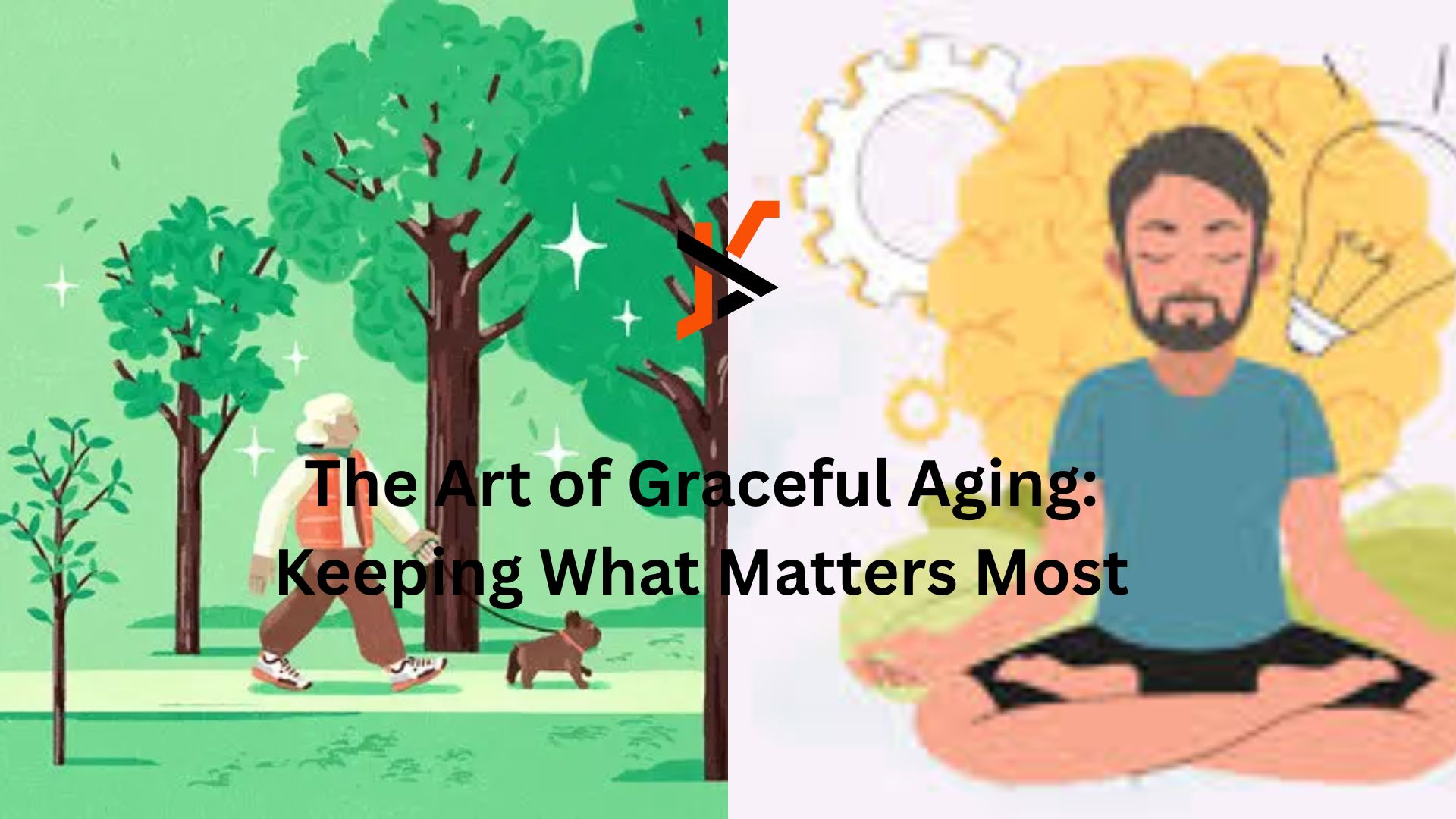
Aging gracefully doesn’t mean attempting to look younger or pretending that physical changes aren’t occurring. It means maintaining the person, the values, the daily choices, the purposes as one’s body becomes more reliant on others. The people who do it best aren’t in denial. They’re simply refusing to allow their physical manifestations to exclude everything else from their identity.
What complicates this situation is that once a person requires assistance for basic tasks, their sense of control over life is immediately compromised. After 70 or 80 years of independence, it’s difficult to accept that one can no longer put on their clothes or cook their breakfast. The problem isn’t that they can no longer do those tasks themselves, it’s that they don’t have a way to receive help without stripping them of their dignity and independent feelings.
Maintaining What Makes You, You
The little choices we make every day dictate how comfortable and worthwhile our lives are. When to wake up, what to eat for breakfast, whether to read the paper, feed the birds, or visit friends in the morning — these are not small details. They present daily opportunities to take charge and determine specific paths that distinguish one’s life from one set of monotonous tasks facilitated by others.
Those who age beautifully from home often have care systems that accommodate their choices rather than force them into institutional facilities. Professional assistance does not have to mean relinquishing power over one’s own choices. Arranged with residents and their families in mind, professional intervention preserves personal choice by taking away the physical burden of daily tasks that have become too difficult while leaving critical decision-making where it belongs.
Working with established caregiver agencies offers families a way to bring in trained support while maintaining oversight and ensuring care aligns with personal values and routines. Professional organizations can match caregivers to specific needs and personalities, adjust schedules around existing habits, and provide consistency that helps seniors feel secure rather than perpetually adjusting to new people and methods.
What Cannot Be Outsourced
Some aspects of identity cannot simply be accommodated, they need participation from others. If one has always been part of the political world, access to newspapers and discussion regarding current events will be necessary for as long as possible. A person whose religion comes first needs to be tied back to faith institutions with required programs. Someone who’s cultivated a garden will need some form of gardening access — container plants perhaps, as opposed to an entire garden.
Those who facilitate good support systems understand these needs and maintain them. This may mean taking an elderly person back to their place of worship or facilitating video calls with friends and family or arranging visits from past colleagues or those who appreciated their community efforts more than just keeping them alive but keeping them engaged.
Relationships That Transition Rather Than Fade
One of the greatest fears people have about needing help is that all relationships will become caregiving opportunities. One’s adult children come over to help and never visit unless they’re cleaning or cooking; spouses cannot differentiate nursing care from marriage; friendships become less about connection because maintaining them takes too much effort.
The best ways for people to maintain these relationships without issue is by implementing assistance for the practical elements while maintaining those roles from a familial perspective instead. Trained professionals can handle the bathing, dressing, meal prep, and medicine intake. Families can become family once again without the perceived obligation of casting aside their previous relationship roles for something entirely new. Resentment builds when loved ones have limited time to provide inadequate nursing care across the board against professional guidance.
Safety Versus Freedom
This is where complication arises. Keeping someone safe during aging may require specific limitations that eliminate 100 percent independence. If someone has balance problems, they shouldn’t be climbing ladders and walking outside on ice. If someone has memory issues, they may need help with medications. If someone has declining eyesight, they should no longer drive.
But keeping someone safe doesn’t mean eliminating all risk and controlling every moment during someone’s day. It means finding a balance between compromised safety and what can be regulated, with an understanding that a certain percentage of vulnerability exists where it’s reasonable. Those who’ve led full lives understand that complete safety and complete freedom are two extremes; finding a middle ground benefits everyone — especially those who’ve been through enough to recognize dubious pitfalls along the way.
What it Really Means to Age Gracefully
Aging gracefully isn’t about maintaining the appearance of youth or hiding the reality of physical decline. It’s about adapting to changes without losing sight of what matters. It’s accepting help with tasks that have become difficult while maintaining control over decisions that define how life feels. It’s acknowledging limitations while refusing to let those limitations define the entire experience of being alive.
The people who do this well understand that getting older requires flexibility, but not surrender. Physical abilities might diminish, but values, relationships, preferences, and dignity don’t have to. With the right support in place, the core of who someone is remains intact even as the infrastructure around them adapts to new realities.
