

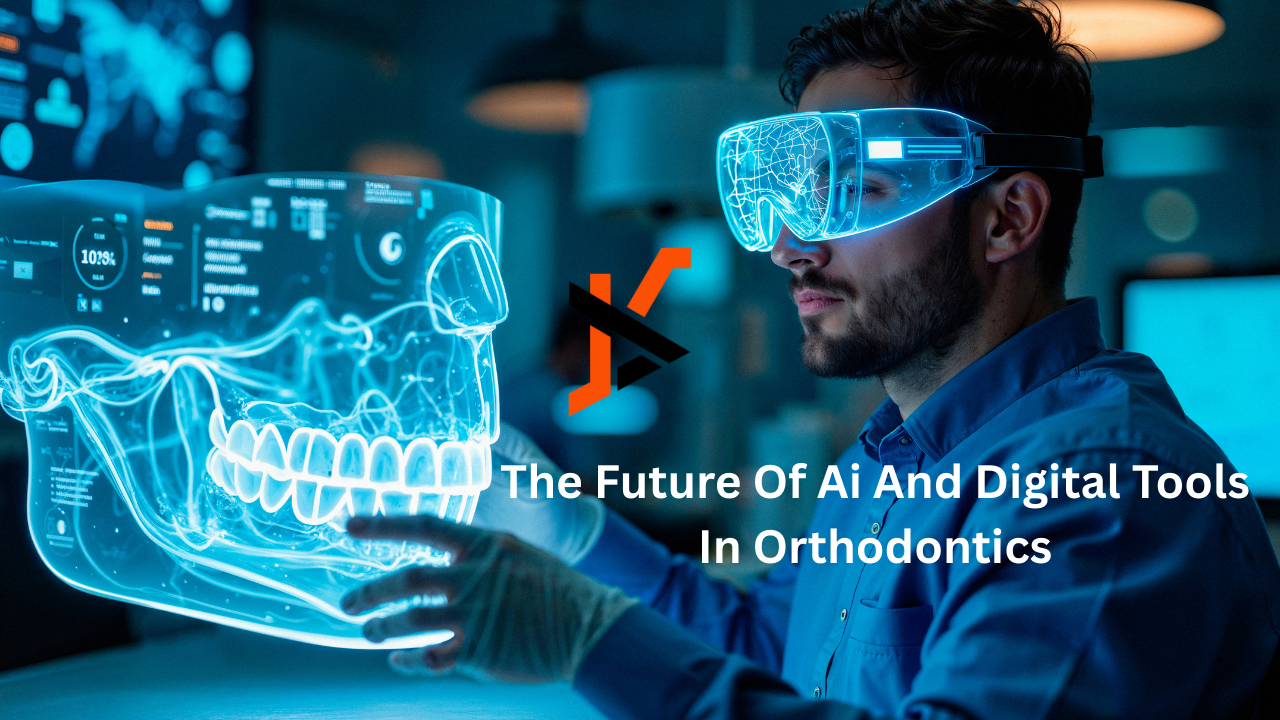
Artificial intelligence is changing how you plan, start, and complete orthodontic treatment. You now see clear 3D images, faster treatment plans, and more exact tooth movement predictions. You also face new questions about safety, trust, and who controls your data. This blog explains what AI and digital tools mean for your care, from your first scan to your last retainer check. It shows how tools already shape choices in clinics that use cutting edge systems and in long standing practices such as orthodontics in Greenwich. It also points to risks when software gets things wrong or when human review becomes weak. You will see where AI helps and where it must stay in the background. By the end, you can ask sharper questions, push for safer care, and decide how much digital help you want in your mouth.
What AI In Orthodontics Really Means
You hear “AI” and may think of robots or science fiction. In orthodontics, AI usually means computer tools that learn from many past cases. The tools look at teeth, bone, and bite patterns. Then they suggest what might work for you. Your orthodontist still decides. The software does not replace that judgment.
Today, AI most often helps with three steps.
- Reading X rays and 3D scans
- Planning tooth movement
- Tracking your progress between visits
You see it when your orthodontist shows you a digital model of your teeth and a short video of how they may move during treatment. That “prediction” comes from AI and other math tools that compare your teeth with thousands of other cases.
From Goopy Impressions To 3D Scans
Old style impressions used trays and putty. Many people hated the taste and the gag reflex. Now many offices use small digital scanners. The scanner moves around your mouth and builds a 3D image on a screen.
AI tools then clean up the scan. They remove extra spots and label each tooth. This helps your orthodontist see problems early and plan more clear steps. It can also lower the need for repeat impressions.
The National Institutes of Health has shared research on how 3D imaging helps dentists and orthodontists read bone and tooth positions with more clarity. You can read more about dental imaging at the National Institute of Dental and Craniofacial Research.
How AI Changes Your Treatment Plan
In the past, orthodontists used paper charts and manual math. Now many use planning software. AI tools inside that software can:
- Suggest how far to move each tooth
- Estimate how long treatment might last
- Warn about risky movements
Your orthodontist checks these suggestions and then accepts, edits, or rejects them. This shared process can shorten the time between your first consult and the day you get braces or clear aligners.
Clear Aligners, Braces, And AI
Both braces and clear aligners now use AI tools. The table below shows simple differences in how digital tools support each choice.
| Feature | Braces | Clear Aligners |
|---|---|---|
| How digital scans help | Guide bracket placement and wire bends | Shape each aligner tray |
| Role of AI planning | Suggest wire changes and tooth torque | Set each small step from tray to tray |
| Progress checks | Mostly in person visits | In person plus photo or video checks |
| At home support | Text or phone reminders for visits | Apps that coach wear time and hygiene |
Both options still need strong daily care by you. AI cannot brush or floss for you. It also cannot snap a broken bracket back into place.
Remote Checkups And Smartphone Photos
Many families now use apps to send mouth photos between visits. AI tools inside these apps look for signs of broken brackets, poor aligner fit, or slow tooth movement. The tools can flag a case for a faster check by the orthodontist.
This can help if you live far from the office or juggle school and work. It can cut some short visits. Yet it does not remove the need for in person exams. Some problems only show up when a trained person looks, listens, and gently checks your bite.
The U.S. Food and Drug Administration explains how it reviews dental devices and software for safety and accuracy. You can learn about that process at the FDA medical devices page.
Benefits You May Notice Day To Day
With careful use, AI and digital tools can give you:
- Shorter chair time at some visits
- Fewer repeat X rays and impressions
- Clearer pictures of expected results
- More flexible scheduling with some remote checks
You may also feel more involved. You see your tooth movements on a screen. You can ask direct questions about each step. That shared planning can build trust.
Risks, Limits, And Hard Questions
Every tool carries risk. AI in orthodontics is no different. You should know where limits sit.
- AI can misread scans, especially with baby teeth or mixed dentitions
- Software predictions may not match how your body responds
- Over use of remote checks can hide early signs of decay or gum disease
- Data from your scans and photos must be stored and shared with care
You have the right to ask:
- Who can see my images and records
- How long they stay on company servers
- Whether tools used in my care are cleared by the FDA
How To Talk With Your Orthodontist About AI
Clear talk protects you and your family. During your consult, you can ask three simple questions.
- What digital or AI-based tools are involved in my care?
- “How do you check that the software is giving safe advice”
- “What parts of my care will always need your own judgment and hands”
You can also share your comfort level with remote visits, photo sharing, and text reminders. Your orthodontist can adjust the plan so it fits your values and your schedule.
The Road Ahead For Families
AI and digital tools in orthodontics will keep growing. You will likely see smarter progress tracking, more natural looking 3D images, and more custom wires and aligners. You will also see stronger rules and clearer rights for patients as regulators study these tools.
Your job is simple and strong.
- Stay curious
- Ask direct questions
- Choose care that keeps human judgment at the center
When you treat AI as a helper instead of a boss, you protect your mouth, your data, and your peace of mind. That balance gives your family straighter teeth and a safer path from first scan to final smile.
