

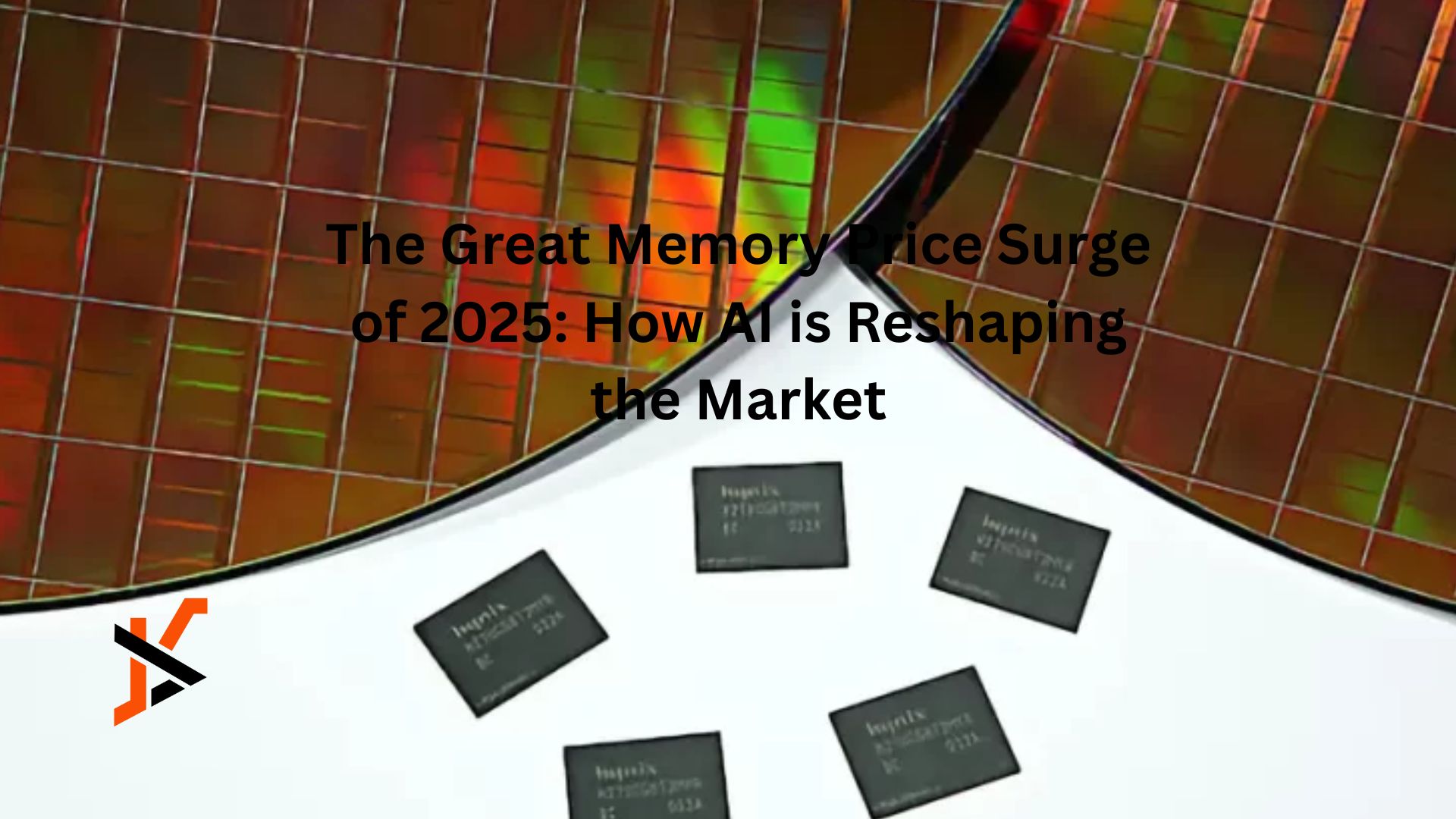
The digital world is in the midst of an unprecedented memory price surge, with consumers and businesses alike feeling the impact. What began as a ripple has turned into a tidal wave, driven by the insatiable demand for artificial intelligence (AI) infrastructure. This article delves into the causes, consequences, and future outlook of this dramatic market shift, providing a comprehensive overview for anyone affected by the rising costs of memory.
The AI Boom: A Double-Edged Sword
The primary catalyst for the current memory crisis is the explosive growth of AI. The race to build and expand AI data centers has created a voracious appetite for high-performance computing components, particularly memory. Large language models (LLMs) and other AI workloads require vast amounts of memory to store and process data, leading to a demand that has far outstripped the available supply. This has created a perfect storm, leading to a shortage of critical memory components and a subsequent surge in prices.
High-Bandwidth Memory (HBM), a type of 3D-stacked DRAM, has become particularly crucial for AI applications. HBM offers significantly higher bandwidth than traditional memory, making it ideal for the massive parallel processing required for AI training and inference. The demand for HBM has been so high that it has diverted production capacity away from other types of memory, further exacerbating the overall shortage.
Unprecedented Price Hikes
The numbers speak for themselves. In November 2025, Samsung, the world’s largest memory chipmaker, raised the prices of some of its memory chips by as much as 60% compared to September of the same year 1. Other manufacturers have followed suit, leading to a market-wide price explosion. The following table illustrates the dramatic price increases for various DDR5 memory modules:
| Memory Module | September 2025 Price | November 2025 Price | Percentage Increase |
| 32GB DDR5 | $149 | $239 | 60% |
| 16GB DDR5 | ~$90 | $135 | ~50% |
| 128GB DDR5 | ~$796 | $1,194 | ~50% |
| 64GB DDR5 | – | – | >30% |
| 96GB DDR5 | – | – | >30% |
Data sourced from Reuters 1
These are not isolated incidents. The entire DRAM market has seen a staggering 171.8% year-over-year price increase as of the third quarter of 2025 2. This has led to a situation where the price of memory is increasing at a faster rate than gold, a traditional safe-haven asset.
The Ripple Effect on Consumer Electronics
The consequences of this memory price surge are not limited to the data center. The ripple effects are being felt across the entire consumer electronics market. Smartphones and notebooks, which rely heavily on DRAM and NAND flash memory, are becoming more expensive to produce. This has forced manufacturers to either absorb the increased costs, cutting into their profit margins, or pass them on to consumers in the form of higher retail prices.
According to a report by TrendForce, the surge in memory prices has led to a downward revision of the 2026 production forecasts for both smartphones and notebooks. Smartphone production is now expected to decrease by 2% year-over-year, while notebook production is projected to shrink by 2.4% 3. The report also warns that these forecasts may be further reduced if the memory supply-demand imbalance worsens.
The budget segment of the market is expected to be hit the hardest. Consumers with limited budgets may delay purchasing new devices or opt for used ones instead. Even in the high-end market, buyers may choose lower-tier configurations to offset the increased cost.
Understanding Memory Technology
To fully grasp the current situation, it’s important to understand the different types of memory at play. The two main categories are DRAM and NAND flash.
•DRAM (Dynamic Random-Access Memory) is a type of volatile memory that is used for temporary data storage. It is essential for the performance of computers, smartphones, and other devices, as it allows for rapid data transfer and retrieval. DDR5 is the latest generation of this technology, offering significant performance improvements over its predecessors.
•NAND Flash Memory is a type of non-volatile memory that retains data even when the power is turned off. It is used for long-term storage in devices like SSDs, USB drives, and smartphones.
Both DRAM and NAND flash are types of memory ICs, which are the fundamental building blocks of modern electronics. The current price surge is primarily affecting the DRAM market, but the NAND flash market is also experiencing price increases, albeit to a lesser extent.
The Market Outlook: More Pain to Come
Unfortunately, there is no immediate end in sight to the current memory price surge. Analysts predict that the fourth quarter of 2025 will mark the beginning of a major DRAM bull market, with 2026 likely to see severe shortages 2. The strong demand from the AI industry is expected to continue, and it will take time for manufacturers to increase their production capacity to meet this demand.
This means that consumers and businesses should brace themselves for continued high prices in the coming months. The cost of everything from smartphones and laptops to servers and networking equipment is likely to remain elevated.
What This Means for You
For consumers, the current market conditions mean that it’s more important than ever to be a savvy shopper. If you’re in the market for a new device, be prepared to pay a premium. It may be wise to delay your purchase if possible, or to consider a used or refurbished device.
For businesses, the rising cost of memory will have a significant impact on IT budgets. Companies that rely on data-intensive applications will need to carefully manage their memory consumption and explore cost-saving measures. This may include optimizing their existing infrastructure, exploring cloud-based solutions, or investing in more efficient memory technologies.
Conclusion
The memory price surge of 2025 is a complex issue with far-reaching consequences. Driven by the insatiable demand for AI, the market is in a state of flux, and it’s unclear when prices will stabilize. What is clear, however, is that the digital world is becoming a more expensive place to live and work. By understanding the forces at play, consumers and businesses can better navigate this challenging environment and make informed decisions about their technology needs.
