

Many homeowners usually pay attention to visible problems in their homes, such as leaks, cracks in the walls, or peeling paint. These issues are easy to notice and often get fixed quickly. However, some problems develop quietly behind the scenes and slowly affect everyday appliances and fixtures. One such common but often overlooked problem is hard water.
Hard water contains high levels of minerals, mainly calcium and magnesium. As water travels through layers of soil, sand, and rock underground, it naturally picks up these minerals along the way. While these minerals are not harmful to drink, over time they can gradually cause issues throughout your home. It affects plumbing systems, appliances, cleaning routines, and even personal care.
In this blog, we will share all the hidden damages hard water can cause in your home, so you can spot problems early and take steps to manage them.
Mineral Build-Up in Pipes
One of the biggest hidden problems caused by hard water happens inside your plumbing system. As water flows through your plumbing system, minerals slowly begin to stick to the inner surfaces of the pipes. This buildup, often referred to as limescale, forms a hard, chalky layer over time. At first, it may seem harmless, but as time passes, the layer of minerals grows thicker. This gradually reduces the diameter of the pipes, which ultimately reduces water flow. You might start noticing lower water pressure in sinks or showers. If the buildup becomes severe, it may eventually lead to leaks, corrosion, and even pipe failure.
Damage to Household Appliances
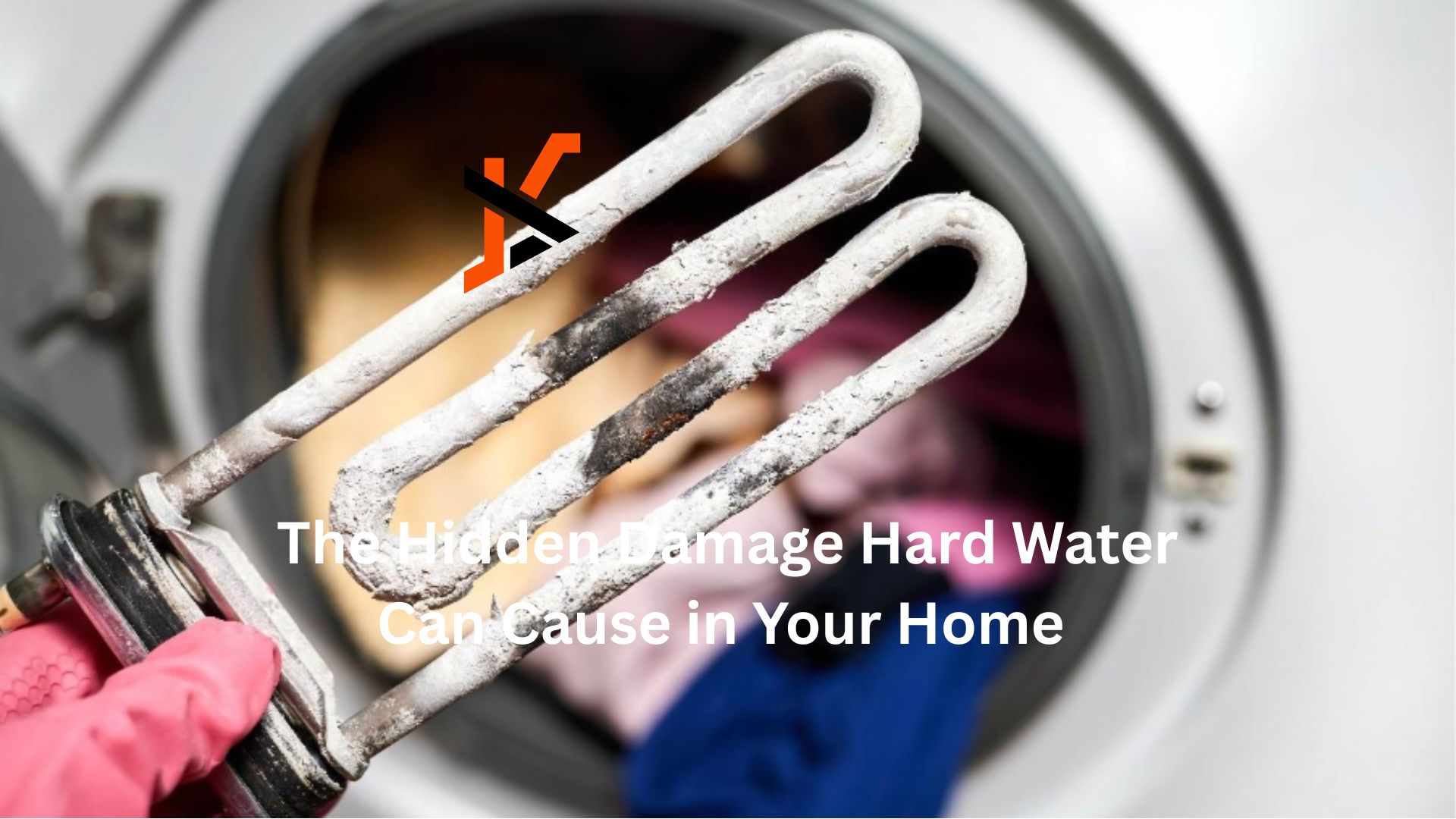
Many household appliances, such as dishwashers, washing machines, coffee makers, water heaters, and kettles rely on water to function. When hard water is heated or used repeatedly inside these appliances, the minerals separate and form a chalky white substance called limescale. This scale slowly builds up on internal parts like heating elements, pipes, and spray arms. As a result, appliances have to work harder to perform their tasks. For example, a water heater coated with limescale may consume more energy to heat the water. A dishwasher may struggle to clean dishes properly. Over time, this added strain shortens the overall lifespan of appliances.
Stains on Fixtures and Surfaces
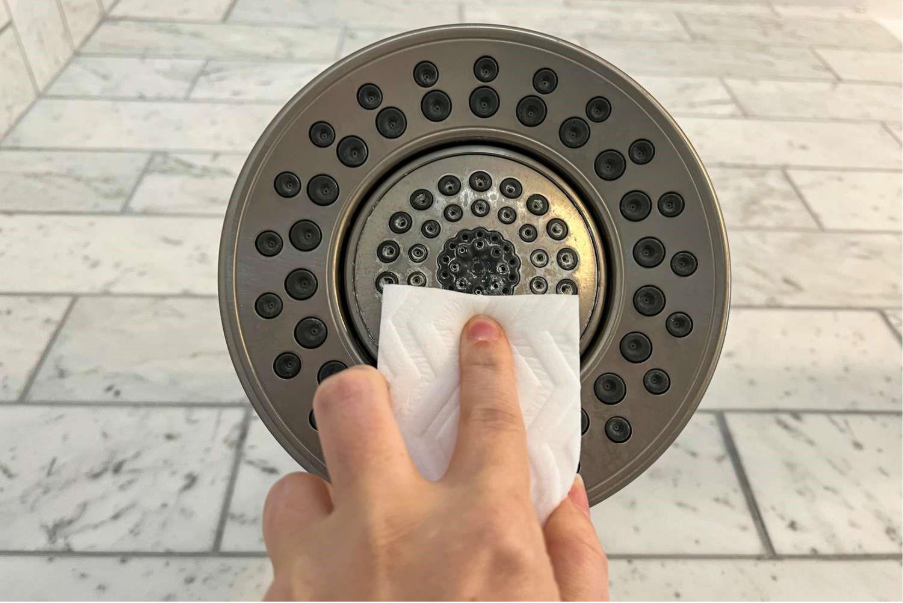
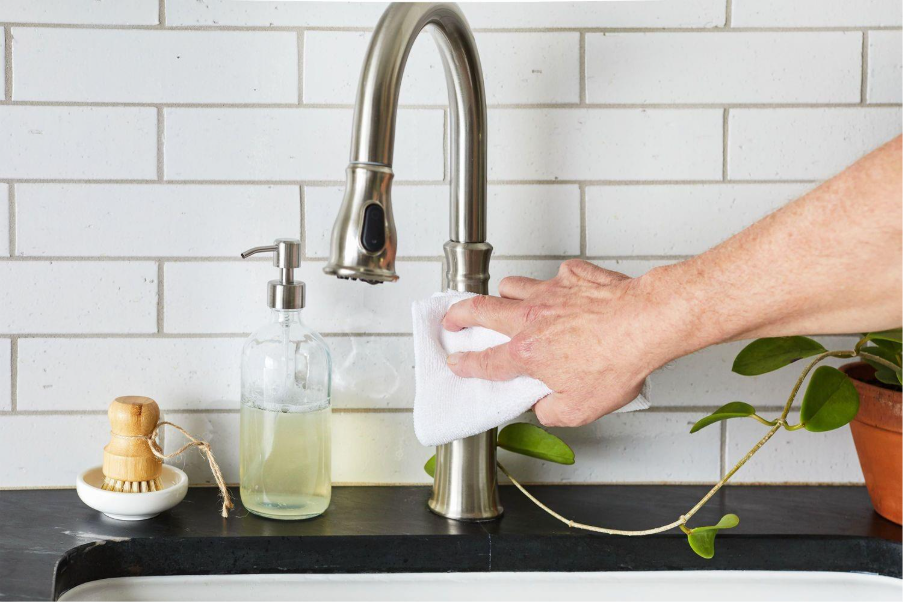
Hard water often leaves visible marks around the home. You may notice white or chalky stains on faucets, sinks, taps, or showerheads, which are mineral deposits left behind after water evaporates. These spots can also appear on glass shower doors, tiles, and other bathroom fixtures. While the stains may start small, they can become harder to remove over time, which makes dealing with hard water deposits a regular task for homeowners. In the kitchen, hard water can leave cloudy spots on glasses and dishes even after they have been washed. Although these stains are not harmful, they can make surfaces look dull and unclean even when they have just been cleaned.
Dull and Stiff Laundry
Hard water also affects how well laundry gets cleaned. Clothes washed in hard water do not look fresh and clean. That’s because when detergent mixes with mineral-rich water, it does not dissolve as effectively. Instead of creating a strong cleaning action, part of the detergent reacts with the minerals, leaving a residue in fabrics. Because of this reaction, clothes may not come out as clean as expected after washing. Fabrics can start to feel stiff, rough, or a little dull in colour. White clothes may slowly turn grey, and coloured clothes may lose some of their brightness. You might also notice detergent residue on dark clothes or towels that no longer feel soft.
Personal Care Issues
Hard water can also affect everyday personal care. When you use soap, shampoo, or body wash with hard water, it might not foam or spread as well as it should. The minerals in the water stop the soap or shampoo from dissolving properly, so you often end up using more than usual. Even after rinsing, a thin residue can remain on your skin or hair. This residue blocks moisture absorption. As a result, your hair may look dull, feel rough, or become harder to manage. On the other hand, skin may feel dry or slightly sticky after bathing. Although hard water is not harmful, these small effects can make daily routines less comfortable.
Digestive and Health-Related Concerns
Hard water is generally safe to drink, but long-term consumption may cause minor digestive or health-related concerns for some people. Individuals who are not used to hard water may experience mild digestive discomfort when they begin drinking it regularly. This can include symptoms such as a slight stomach upset or a feeling of heaviness after drinking water. In some cases, regularly consuming water with a high mineral content may also increase the risk of kidney stones. Overall, while hard water is not considered a major health risk, its mineral content can still influence digestion, skin comfort, and everyday routines in subtle ways.
Increased Cleaning Effort Around the House
Another hidden impact of hard water is the extra effort it adds to household cleaning. Mineral deposits can accumulate on many surfaces, including faucets, sinks, bathtubs, showerheads, tiles, glass, and even dishes. Because these deposits are stubborn, they often require stronger cleaning solutions or more scrubbing. You may find yourself spending extra time trying to remove spots and buildup. Showerheads, for example, can become partially blocked by mineral deposits, which affects the water flow. Cleaning them regularly becomes necessary to keep them working properly. Over time, the extra effort spent cleaning can become frustrating and time-consuming.
Higher Energy and Maintenance Costs
Although hard water may seem like a minor inconvenience at first, it can lead to higher costs in the long run. Appliances affected by limescale have to work harder to perform their tasks. Basically, when heating elements are coated with mineral deposits, they use more energy to produce the same results. This means appliances like water heaters, dishwashers, and washing machines may consume more electricity or gas. Over time, the additional energy use can raise utility bills. Maintenance costs can also increase. That’s because appliances may need repairs more often, and plumbing systems may require cleaning or replacement earlier than expected.
Conclusion
Hard water is a common issue in many homes, but people often overlook it because the damage develops slowly. From plumbing and appliances to laundry and cleaning routines, the minerals in hard water can quietly create problems throughout the household. But the good news is that once you understand the hidden damage hard water causes, you can easily manage its impact. Regular cleaning, proper appliance maintenance, and awareness of mineral buildup can help reduce many of the problems it causes.
