

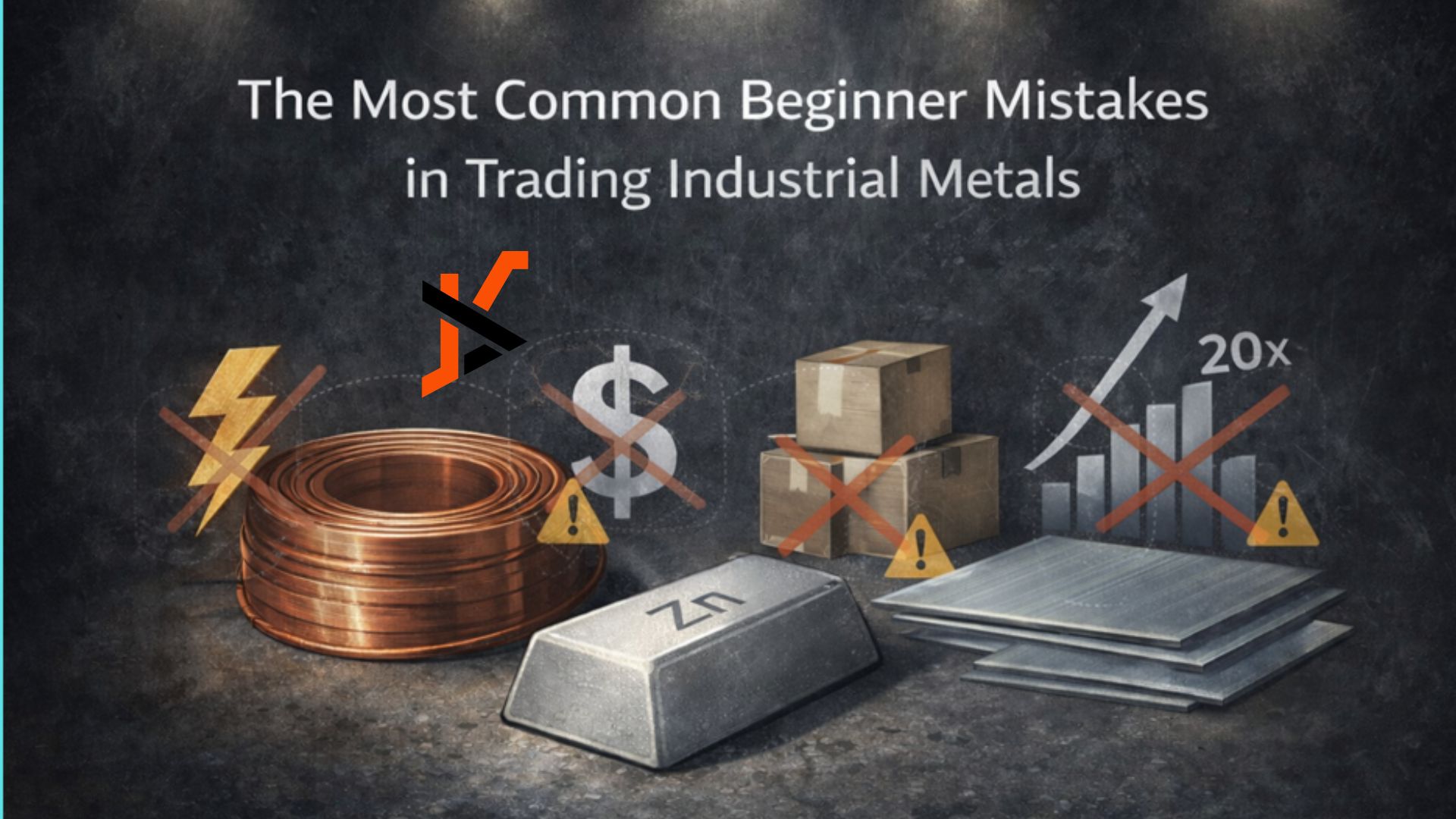
Industrial metals like copper, zinc, aluminium, nickel and lead attract traders because they reflect real economic activity, from construction and manufacturing to green energy transitions. Thezinc rate or copper price can move sharply on supply news or macro data, offering big opportunities. But beginners frequently lose money fast in these markets. Unlike stocks or crypto, industrial metals are heavily influenced by physical supply chains, energy costs and global industrial demand. This creates unique pitfalls that catch new traders off guard. In current market conditions, with volatility driven by energy prices and trade flows, avoiding common mistakes is essential for survival and progress. This article covers the top beginner errors in trading industrial metals and how to sidestep them.
Mistake 1: Ignoring Energy Costs as the Main Price Driver
Many beginners focus only on supply and demand headlines, but energy costs dominate industrial metals pricing. Aluminium and zinc smelting use massive amounts of electricity, often 30-40% of total production expenses. When power prices rise in China or Europe, high-cost smelters cut output, tightening supply and pushing prices up.
New traders miss this and get surprised when metals rally despite weak demand data. The opposite happens when energy costs fall, allowing more production and capping prices.
Fix: always check electricity prices in major producing regions (China coal, European gas, Middle East power). Energy spikes are often the real catalyst behind metal price moves.
Mistake 2: Treating Metals Like Stocks or Crypto
Beginners often apply stock or crypto strategies to metals, leading to poor results. Metals don’t trend like equities or meme coins. They are cyclical, driven by physical industrial cycles rather than narrative or sentiment.
Expecting 50% moves in weeks is unrealistic. Metals often range for months then spike or drop sharply on supply shocks or macro turns. Leverage that works in crypto (50x+) destroys accounts in metals due to sudden gaps.
Fix: use lower leverage (5x-10x), focus on macro cycles, and expect slower, larger moves (10-30% over quarters) rather than daily spikes.
Mistake 3: Overlooking Inventory Data
Exchange inventories (LME, SHFE) are the most reliable short-term price signal. Beginners ignore them and trade only on news or charts. When inventories draw sharply, prices rise fast as the market perceives tightness. Builds signal oversupply and lead to drops.
Weekly reports often cause 3-8% moves. Missing them means missing the move or getting caught on the wrong side.
Fix: make inventory reports part of your weekly routine. A sharp draw with stable demand is bullish. A build with weak PMI is bearish.
Mistake 4: Ignoring Currency and Macro Correlations
Industrial metals are priced in USD, so dollar strength pressures prices lower. Beginners trade metals without watching the US Dollar Index. A 5% DXY rise can subtract 5-10% from copper or zinc prices.
Macro data like Chinese PMI or US manufacturing reports also move metals. Weak data causes drops, strong data lifts prices.
Fix: always have the US Dollar Index chart open. Correlate metals moves with DXY and PMI data from China/US/Europe.
Mistake 5: Overtrading on News Without Confirmation
News about supply disruptions or demand forecasts causes instant spikes. Beginners jump in on headlines without volume or technical confirmation, getting trapped in fakeouts or reversals.
Many news moves reverse within hours or days as the market digests the real impact.
Fix: wait for confirmation. Look for volume surge and price close above resistance. Use RSI or MACD to avoid overbought entries.
Mistake 6: No Risk Management or Position Sizing
Beginners often risk too much on one trade, using high leverage without stops. A 10% adverse move at 20x leverage wipes the account.
No position sizing leads to uneven risk across trades.
Fix: risk 1-2% of capital per trade. Calculate position size from stop distance. Use 5x-10x leverage max. Always set stops below support or above resistance.
Mistake 7: Chasing Momentum Without Context
New traders see a 10% spike and jump in, expecting more. Industrial metals often spike on supply news then revert when fundamentals catch up.
Chasing without understanding the driver leads to buying tops.
Fix: ask “why is this moving?” Supply shock? Macro data? Sentiment? Trade with the driver, not against it. Use mean-reversion after extreme spikes.
Conclusion
Industrial metals like copper, zinc and aluminium offer real economic signals, but beginners often lose to over-leverage, ignoring energy costs, skipping inventory data, neglecting currency correlations, overtrading news, poor risk management and chasing momentum. Use low leverage (5x-10x), risk 1-2%, watch energy prices, inventories and macro data. Start small, use stops, and trade with context. In these markets, survival comes from discipline, not chasing every spike. Master the drivers, and metals become a powerful tool for understanding and profiting from global economic trends.
