

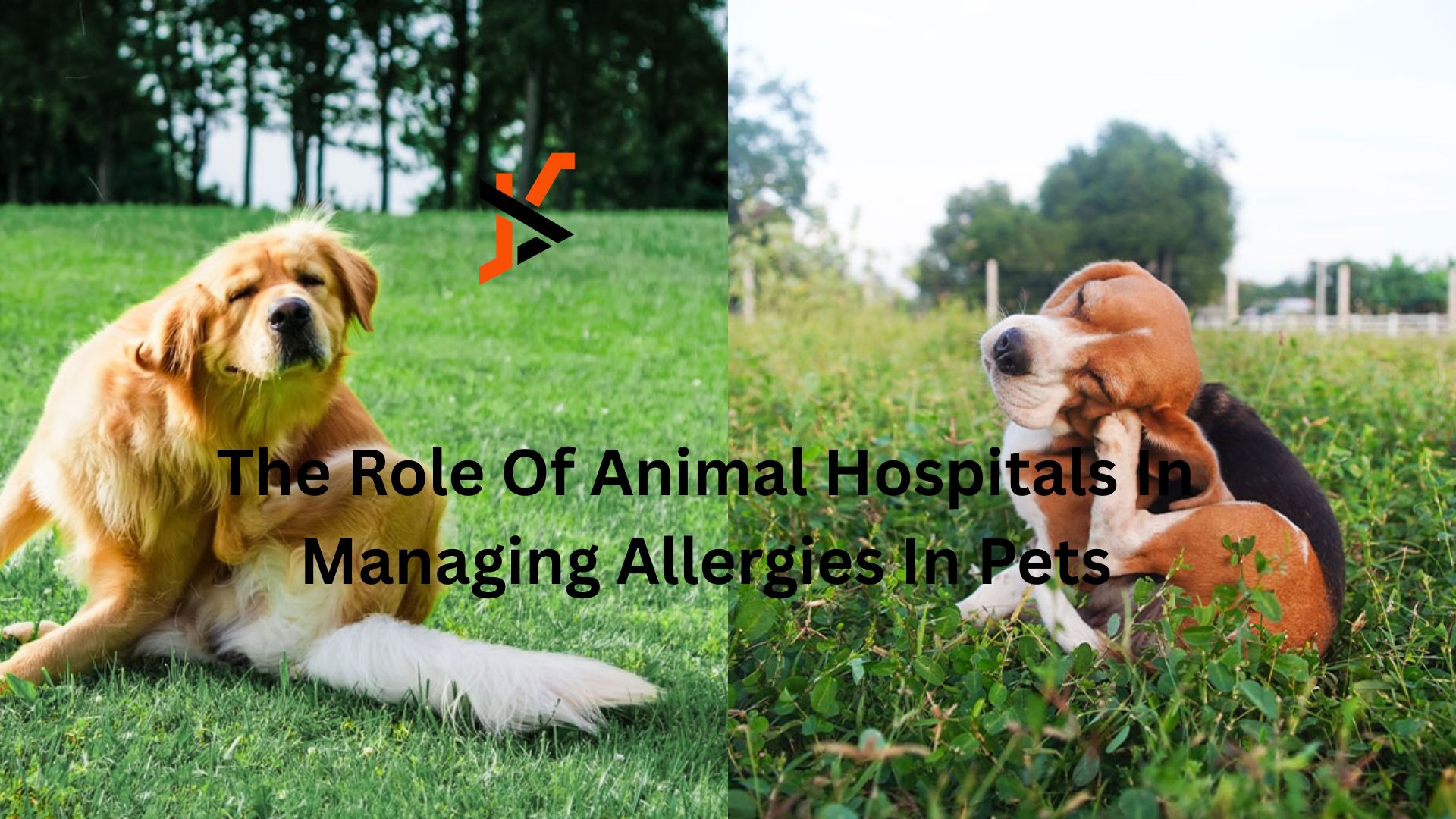
Allergies in pets can turn daily life into a constant struggle. Your dog keeps scratching. Your cat keeps licking the same sore spot. You feel helpless and unsure what to do next. An animal hospital gives you clear answers and a plan. Trained teams can spot the cause of the allergy, whether it is food, pollen, fleas, or something inside your home. They use simple tests, gentle exams, and step by step treatment. They also watch for breathing trouble, ear infections, or skin infections that often come with allergies. If you visit an animal hospital in Port Arthur, TX or any other city, you gain a partner that tracks your pet’s progress and adjusts care when needed. You do not have to guess or rely on home fixes. You can protect your pet from constant itching, pain, and fear.
How Animal Hospitals Find The Cause
You might see only the scratching or chewing. An animal hospital looks past the surface. Staff use a simple three step path to find the cause.
- Listen to you and your story about your pet
- Examine your pet from nose to tail
- Use tests to confirm the trigger
Teams often use:
- Skin tests that place tiny amounts of allergens in or on the skin
- Blood tests that check the immune response
- Food trials that limit your pet to one safe diet for weeks
You can read more about common pet allergens and flea control from the Centers for Disease Control and Prevention. These tools let staff sort out whether your pet reacts to food, fleas, dust, or plants. Without this step you risk chasing the wrong cause and your pet keeps suffering.
Common Allergy Types And How Hospitals Respond
Allergies fall into a few main groups. An animal hospital treats each group in a clear way.
| Allergy Type | Typical Signs | Common Triggers | Usual Hospital Response |
|---|---|---|---|
| Flea allergy | Itchy back and tail. Hair loss. Red bumps. | Saliva from flea bites | Fast flea control. Skin relief. Home flea plan. |
| Food allergy | Itchy skin. Ear trouble. Upset stomach. | Proteins in food such as beef or chicken | Prescription diet trial. Long term food change. |
| Environmental allergy | Seasonal itching. Red skin. Licking paws. | Pollen, dust, mold | Allergy meds. Baths. Possible allergy shots. |
| Contact allergy | Red rash where skin touches item | Cleaners, plants, bedding | Remove trigger. Topical treatment. |
This structure keeps care focused. You get a clear name for the problem and a direct plan. Your pet gets relief faster.
Treatment Tools Animal Hospitals Use
After staff find the cause, they build a simple treatment mix. You may see three main tools.
- Relief now. Anti itch medicine, medicated shampoos, and sprays calm the skin.
- Control later. Allergy pills, drops, or shots train the body to react less over time.
- Trigger control. Flea products, diet changes, and home cleaning plans cut exposure.
For some pets, staff use allergy shots or drops. These contain tiny amounts of the trigger. Over time, your pet reacts less. The Merck Veterinary Manual explains that this method can lower itching and reduce the need for stronger drugs.
Staff also treat ear infections, hot spots, or open sores. These problems cause sharp pain. Quick care keeps them from turning into deeper infections.
Why You Should Not Treat Alone
Online tips and home tricks may seem easy. They also carry risk. You can miss a serious cause such as infection, mange, or a growth. You can use the wrong drug or dose. You can even poison your pet with human medicine.
An animal hospital protects your pet from these hazards. Staff choose safe doses. They check for side effects. They track lab work when needed. They also change the plan when your pet’s body changes with age or other illness.
Your Role As A Partner In Care
Allergy care works best when you and the hospital act as one team. You control daily habits at home. Staff guide the plan and adjust it. Together you can:
- Follow the diet or flea plan with no breaks
- Give medicine as directed and not stop early
- Keep a simple log of flare ups, seasons, and triggers
You can also bring photos of rashes or ear discharge. These help staff see changes between visits. Simple steps like regular baths, clean bedding, and vacuuming reduce allergens inside your home.
When To Seek Help Right Away
Some allergy signs need fast care. You should contact an animal hospital at once if you see:
- Swollen face or muzzle
- Hives over large parts of the body
- Hard time breathing or loud wheezing
- Collapse or extreme weakness
These can signal a strong allergic reaction. Fast treatment can protect your pet from lasting harm.
Steady Care For A More Peaceful Life
Allergies rarely vanish. Yet with help from an animal hospital, you can control them. You can turn constant scratching into quiet rest. You can turn chewing and licking into play and calm touch.
With clear tests, targeted treatment, and steady follow up, you give your pet a safer life. You also gain peace of mind. You no longer guess. You act with clear support and strong partners by your side.
