

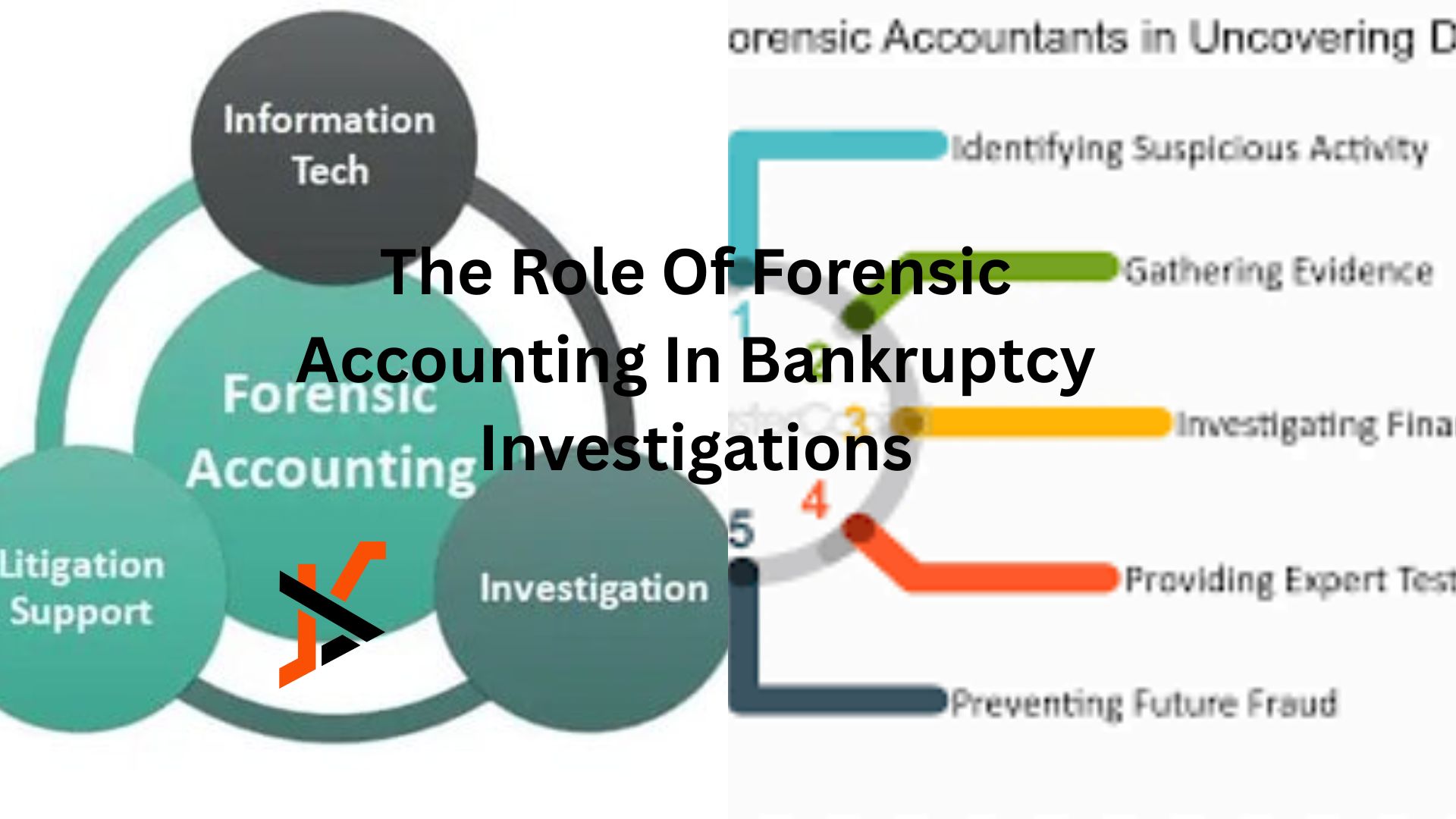
When a company collapses, you want clear answers. Bankruptcy raises hard questions about missing money, false records, and broken trust. Forensic accounting helps you find those answers. You use it to trace cash, test the truth of financial statements, and uncover fraud that may hide inside everyday transactions. In bankruptcy investigations, forensic accountants review bank records, contracts, emails, and tax filings. Then they explain what really happened with the money. This work supports judges, creditors, and law enforcement. It can also protect employees and retirees who depend on lost wages or pensions. If you hire accounting services in Spring Valley, you expect more than simple bookkeeping. You expect someone who can follow trails, connect numbers to real events, and stand by their findings in court. This blog shows how forensic accounting guides tough bankruptcy cases and helps you demand honest answers.
What Forensic Accounting Really Means
You use forensic accounting when money questions turn into legal questions. Regular accounting records what already happened. Forensic accounting asks why it happened and who is responsible.
In a bankruptcy case, a forensic accountant may:
- Rebuild missing or damaged records
- Spot fake invoices or false entries
- Track money that moved to secret accounts
- Test whether management hid losses or debt
The work is careful and patient. Every number must match a clear source. Every claim must stand up in court. You do not guess. You show proof.
Why Bankruptcy Needs Forensic Accounting
Bankruptcy is not only about closing a business. It is about sorting out who gets paid and who does not. That choice rests on the truth of the books. If the books are wrong, the outcome is unfair.
Forensic accounting helps you:
- Protect creditors from fake claims or hidden assets
- Protect workers and retirees from broken promises
- Support honest owners who want a fresh start
The United States Courts explain how bankruptcy aims to give fair treatment to both debtors and creditors. Forensic accounting backs that goal. It brings hard facts into a process that may feel chaotic and tense.
Key Tasks In A Bankruptcy Investigation
When you face a bankruptcy case, the same core steps appear again and again. You can group them into three simple stages.
Stage One: Gather The Records
- Collect bank statements and credit card records
- Secure accounting software files and backups
- Pull contracts, leases, and loan documents
- Copy emails and messages tied to money decisions
You move fast so no one can destroy or change records. You keep a clear chain of custody for each file.
Stage Two: Test The Numbers
- Match sales to deposits in bank accounts
- Compare vendor lists to real suppliers
- Check payroll against tax filings
- Search for round dollar entries or odd patterns
You look for gaps, conflicts, and sudden changes. These may show fraud, waste, or simple neglect.
Stage Three: Tell The Story
- Prepare clear timelines of key events
- Summarize how money moved between accounts
- Estimate the size of any loss or theft
- Give written reports and, if needed, testify in court
The goal is a story that a judge, a jury, and regular families can understand. The numbers must speak in plain words.
How Forensic Accounting Differs From Regular Accounting
You may wonder how this work differs from normal bookkeeping or tax work. The table below shows a simple comparison.
| Feature | Regular Accounting | Forensic Accounting In Bankruptcy |
|---|---|---|
| Main purpose | Record income and expenses | Find truth in money disputes |
| Primary users | Owners, managers, tax agencies | Court, creditors, investigators |
| Time focus | Current and future planning | Past actions that led to collapse |
| Work products | Financial statements and tax returns | Reports, timelines, and exhibits for court |
| Methods | Standard accounting rules | Accounting plus fraud tests and tracing |
| Level of review | Reasonable accuracy | Evidence that can face cross examination |
This difference matters when you pick help. You do not only want someone who can close the books. You need someone who can explain those books under pressure.
Common Warning Signs For Forensic Review
Not every bankruptcy hides fraud. Many owners face a slow squeeze from costs, debt, or lost customers. Yet some patterns should trigger deeper review.
- Large transfers to insiders before bankruptcy
- Missing inventory that no one can explain
- Secret side companies that trade with the debtor
- Sudden changes in accounting methods
- Refusal to share records or answer basic questions
When you see these signs, you should press for a forensic review. That protects honest creditors and sends a strong message against abuse.
Impact On Families, Workers, And Retirees
Bankruptcy numbers are not only about balance sheets. They touch paychecks, savings, and health. A failed company can erase years of effort for workers and small suppliers.
Forensic accounting can help by:
- Finding hidden assets that can pay wages and benefits
- Clarifying pension promises and funding gaps
- Supporting lawsuits against people who drained the company
The Government Accountability Office has reported on fraud and abuse in corporate failures and retirement plans. You can review related work at the U.S. Government Accountability Office website. These reports show how careful money review protects families from deep loss.
What You Can Do If You Are Affected
If you are a worker, supplier, or investor hurt by a bankruptcy, you do not have to stay silent. You can:
- Keep your own records of invoices, pay stubs, and notices
- Share specific facts with the bankruptcy trustee or court
- Ask whether a forensic accountant will review the case
- Speak with legal aid or a trusted lawyer about your rights
Your records may fill gaps in the company books. Your questions may push for a deeper review that uncovers abuse.
Closing Thoughts
Forensic accounting gives you a clear light in a dark moment. When a company fails, money stories can twist fast. Careful review brings back order. It tracks each dollar, exposes lies, and supports fair results.
When you face a bankruptcy investigation, you should look for support that understands both numbers and people. That mix of skill and courage helps protect your savings, your work, and your peace of mind.
