

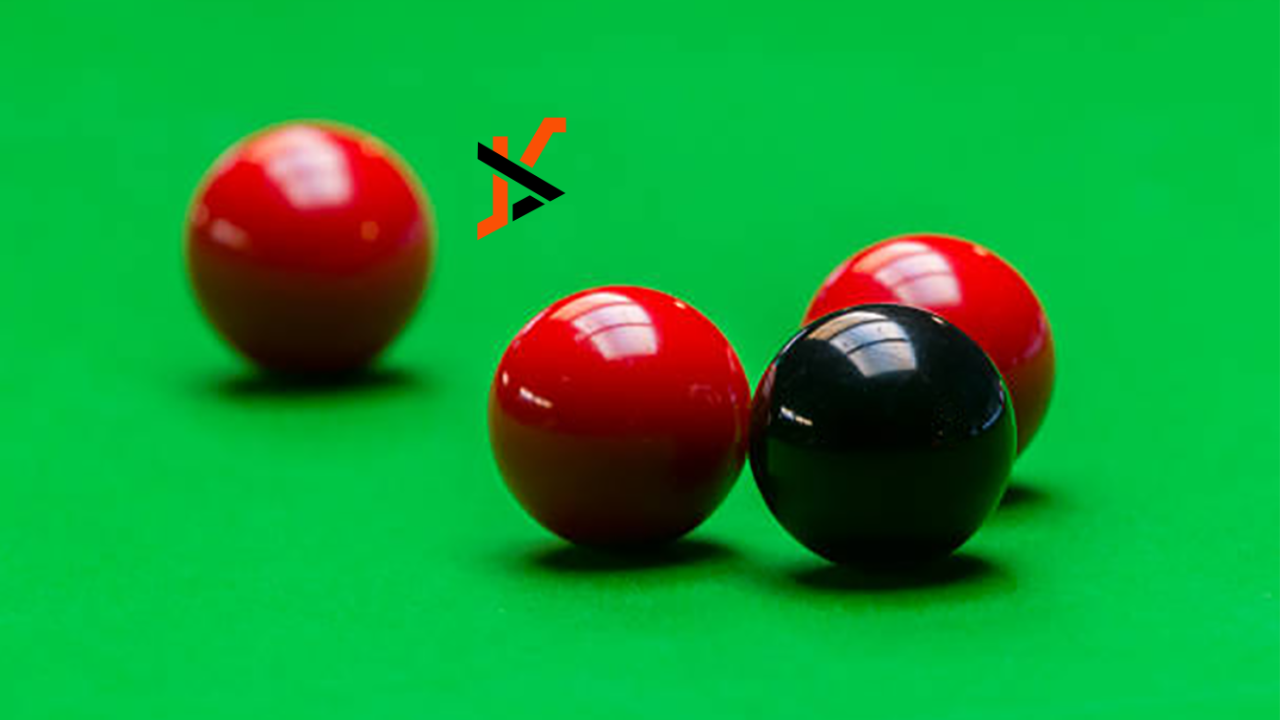
Imagine this: It’s Friday night at the club. The lights gleam against the green pool table, and you’re about to take aim at that tricky pink cue ball. You carefully apply the chalk, your stance feels right, and you confidently tap the cue ball… only to miss at the last second. How frustrating, isn’t it?
Most players immediately blame themselves—”bad technique,” “lack of practice,” or the old-fashioned “bad luck.” But the truth is: sometimes, the problem isn’t you, but your billiards cue.
Snooker and English pool are both sports where the smallest margins make the biggest difference. And yet, too many players treat their snooker cue like an afterthought, grabbing the cheapest stick behind the bar and wondering why their game never quite clicks. The reality is simple – your cue is more than just a stick of wood. It’s your silent partner, your trusted ally, and if chosen well, it can change the way you play.
Feel Over Fancy: Comfort First
You often hear discussions about ash vs. maple cue shafts, cue tip size, or fancy cue joints. While these are important, the real magic lies in how the cue feels in your hands. A good pool cue shouldn’t fight against you; it should blend into your stroke. It’s like wearing a perfectly tailored suit—you barely feel it, but others can tell the difference.
For English pool players, a slimmer cue tip (approximately 8.5-9 mm) allows for precise splits or effortless control of the cue ball. Snooker players, on the other hand, prefer a slightly larger tip (approximately 9-9.8 mm) so they have enough surface area to fearlessly hit spin and play safe. Choosing the right cue tip is the first step towards real improvement.
Balance: The Unsung Hero
Imagine carrying a shopping bag with all the weight concentrated on one side. Awkward, isn’t it? The same applies to a billiard cue. Poor balance can make your cue feel unwieldy, forcing you to overcompensate with every shot. A well-balanced cue, however, will smoothly adapt to your movements, making your strokes smoother and more natural.
Snooker cues are typically around 58 inches long, with the balance point slightly offset toward the center. English pool cues are slightly shorter, but again, the sweet spot lies in how the cue is held in your hand. Master the balance, and those long reds or delicate doubles suddenly seem less daunting.
The Confidence Factor
It’s something most people rarely mention: Confidence isn’t just built on practice; it’s built on trust – trust in your equipment. When you’re confident your billiards cue won’t twist, wobble, or let you down, you can approach every shot with a clear mind. And in a game where hesitation is so costly, that clarity is invaluable.
Think of your cue as the tires on your car. You could be the best driver in Britain, but if your tires are badly worn, you’ll struggle to stay ahead on the road. Similarly, even the sharpest snooker mind won’t shine on a wobbly, ill-sized cue.
Avoiding Common Pitfalls
Too many players fall into the trap of buying a snooker cue purely for their looks. Yes, a hand-spliced ebony butt with exotic veneers is beautiful, but if it feels like you’re swinging a sledgehammer, it won’t do you any favours. Others buy bargain-bin cues that warp after a season, leaving them frustrated and out of pocket.
Here are three quick tips:
- Don’t skimp on quality. A decent cue is an investment, not a throwaway.
- Test the weight and balance. What feels smooth to one player may feel heavy-handed to another.
- Think about your game. Are you a skill-based, contact-focused player, or one who prefers to hit the cue ball hard? Let your style guide your choice.
More Than Just a Purchase
Buying the right cue isn’t about spending a fortune; it’s about finding a tool that grows with you. The right cue stick becomes part of your story. It’s there for the century break in practice, in a competitive tournament, or competing for a championship late at night, it’ll be there for you.
Over time, it develops a familiarity – the little dents, the worn patch of varnish where your hand rests, the way it feels like no other pool cue stck in the world. That’s when you know you’ve found the right one.
Your Game, Your Choice
Snooker and English pool are as much about feel as they are about skill. And while practice will always be king, your snooker cue is the bridge between intention and execution. The wrong cue puts cracks in that bridge; the right one makes it rock-solid.
So next time you walk into a shop or browse online, don’t just glance at the price tag or the pretty splices. Pick it up. Feel it. Imagine yourself under pressure, lining up that final black. Does it give you confidence, or doubt?
Because, ultimately, your cue is more than just a piece of equipment. It’s your silent partner – one that can either enhance your game or hinder it. Choose wisely, and you’ll feel the difference every time you chalk up.
