

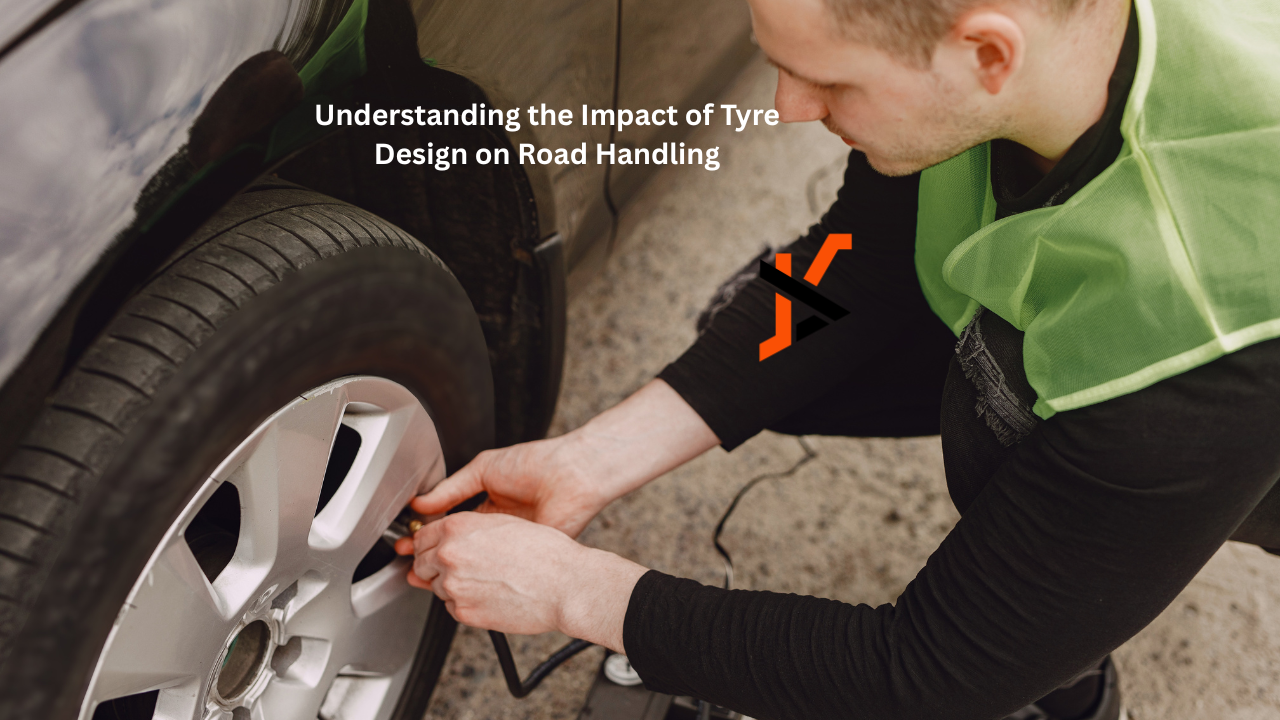
Tyres are one of the most influential components affecting how a vehicle behaves on the road. While drivers often focus on engine performance or suspension systems, tyre design directly determines how effectively a car grips the surface and responds to steering input. From city commuting to long motorway journeys, the structure and pattern of tyres shape the overall driving experience.
Modern vehicles rely on carefully engineered tyres to maintain stability, reduce braking distances, and support smooth handling. As road conditions vary throughout the year, the design of a tyre becomes essential in helping drivers stay confident and in control behind the wheel.
Tread Patterns and Their Influence on Grip
The tread pattern is perhaps the most visible feature of any tyre, and it serves a practical purpose beyond aesthetics. Grooves and channels are designed to create traction by allowing tyres to maintain contact with the road surface. In wet conditions, these patterns help move water away from the tyre’s contact area, reducing the likelihood of slipping and improving overall control.
Different tread styles can influence handling characteristics. Symmetrical patterns are often associated with balanced performance and steady driving on everyday roads. Directional patterns can provide enhanced traction in heavy rain or snow, while asymmetric designs support improved cornering ability and responsiveness. Selecting a tread pattern suited to your driving conditions can significantly enhance road safety.
The Importance of the Contact Patch
The contact patch refers to the area of the tyre that touches the road at any given time. Tyre design affects how stable and consistent this contact area remains during acceleration, braking, and turning. A well-constructed tyre maintains an even distribution of pressure across the contact patch, helping drivers retain better control in challenging situations.
Wider tyres often create a larger contact area, which can improve grip during cornering and sudden manoeuvres. However, tyre width must be balanced with vehicle specifications to ensure safe and efficient performance. Understanding this relationship helps drivers appreciate why choosing the correct tyre size is just as important as selecting the right tread design.
Handling in Different Road Conditions
Road handling is rarely determined by one single factor. Instead, tyre performance is shaped by how well the design adapts to changing surfaces. For example, tyres with deeper grooves may offer improved traction on wet or uneven roads, while more rigid patterns can deliver greater stability on dry motorways.
Seasonal tyres are developed to address specific environmental challenges. Winter designs use flexible materials and deeper tread blocks to improve control on cold or icy surfaces, while summer tyres focus on delivering precise steering and braking performance in warmer temperatures. All-season options aim to balance these features, making them suitable for varied driving conditions throughout the year.
Comfort, Stability, and Road Noise
Tyre design also contributes to driving comfort. Carefully engineered tread patterns can help reduce vibration and noise, creating a quieter and smoother ride. This is particularly noticeable during longer journeys, where consistent road handling helps minimise driver fatigue.
In addition, tyres that wear evenly maintain predictable steering performance over time. Uneven wear can lead to reduced grip and a feeling of instability when turning or braking. Regular inspections and proper tyre rotation can help extend tyre life and preserve handling characteristics.
Making the Right Choice for Confident Driving
Choosing tyres that align with your driving habits and vehicle requirements can make a noticeable difference in how your car handles. Drivers seeking dependable grip and balanced performance across various road conditions often consider options such as Dunlop car tyres, which are designed to support reliable handling and comfort.
By understanding how tyre design influences steering response, traction, and overall stability, motorists can make more informed decisions about tyre selection and maintenance. This awareness not only enhances road safety but also contributes to a more enjoyable and controlled driving experience every time you get behind the wheel.
