


The selection of material to be used in a fence post is among the greatest considerations to be made during the construction of a durable and long-lasting fence. Fence posts are the framework of any fencing setup —they provide support, stability, and structure to ensure that panels remain straight and in place over time.
The type of material used may greatly affect the strength of the fence, its life and its ability to resist the weather. Homeowners now can choose among various materials like wood, more long-lasting ones such as galvanized steel and aluminum or concrete.
Each material comes with its own benefits, costs, and suitability for different purposes, whether it’s for privacy, security, or marking property boundaries. Choosing the right material for fence posts ensures a durable and effective fence.
In this article, we will discuss the most commonly used types of fence post materials, their advantages, and how to choose the appropriate one depending on the climate, purpose, and long-term value.
1. Galvanized Steel Fence Posts-Resistant and Corrosive
A galvanized steel fence post is among the most trusted choices for building a strong, long-lasting fence. These posts are coated with zinc that gives these posts protection against rust, corrosion and weather and stand out better in any conditions.
Advantages:
- Exceptional Durability: The product is designed to endure extreme weather conditions, heavyweight panels, and everyday use.
- Low Maintenance: Thanks to the zinc coating, the fence requires no painting, sealing, or ongoing maintenance.
- High Strength: This is used in residential, commercial, and high-security fencing.
Considerations: Galvanized steel fence posts are a bit more costly than wood, but their life and stability are much more substantial, so the investment is a smart, cost-efficient choice in the long run.
2. Metal Fence Posts – Strength and Longevity
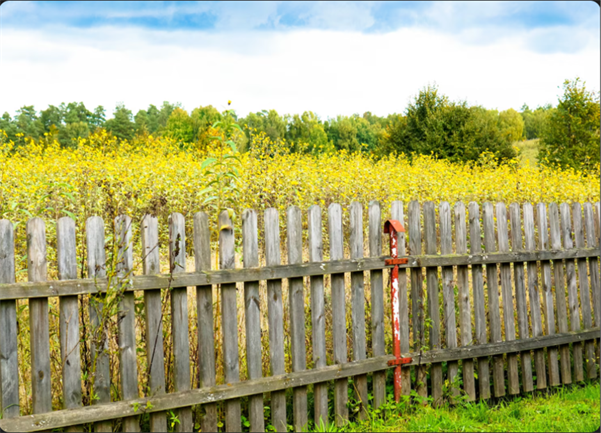
Metal fence posts are fast gaining popularity because they are very strong and require little maintenance, as most are made of steel or aluminum.
Advantages:
- Sturdiness: Metal posts do not rot, warp, or attract pests, and they last for decades without much maintenance.
- Strong: They do not bend in the case of strong winds or heavy panels.
- Maintenance: Metal does not need as much painting and sealing as wood.
Considerations: Steel is susceptible to corrosion if the protective coating wears out, whereas aluminum, which is rust-resistant, may not be strong enough to support very heavy fencing. Galvanized or powder-coated can be used to increase the corrosion resistance and the life of the posts.
In residential and commercial fence building, metal is the material of choice when it comes to fences that are to be used long-term.
3. Concrete Fence Posts – Built for Stability
The concrete fence posts are the strongest and longest-lasting fences that can be used where there is a need to have better strength and weather resistance.
Advantages:
- Superior Durability: Concrete is waterproof, insect-resistant, and rot-resistant, providing over 40 years of stability.
- Low Maintenance: Concrete posts require very little maintenance after installation.
- Structural Integrity: It is ideal when the panel needs to support heavy weight, such as a fence, or when the soil is prone to wind or soil movements.
Considerations: Concrete posts are heavier and more difficult to set up, and they demand appropriate footing and alignment. They also lack the aesthetic flexibility of wood or metal, although they can be painted or coated to improve their appearance. Concrete is also one of the best selections of fence posts for individuals who care a lot about stability and low maintenance.
4. Vinyl Fence Posts- Modern and Low Maintenance
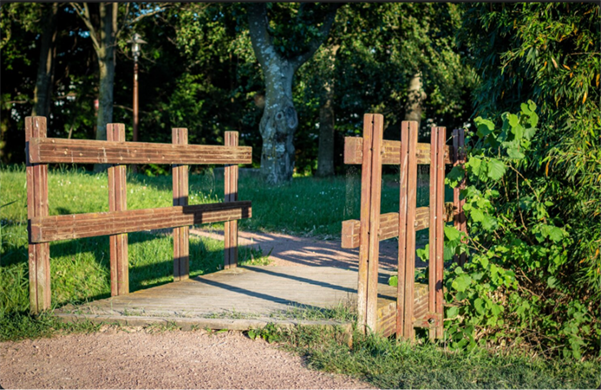
Vinyl or PVC is a contemporary substitute that has a clean look and simple maintenance.
Advantages:
- Weatherproofing: Vinyl is not rusted, rotted, or faded by the sun.
- Zero Painting Required: The color is built into the material for long-term savings.
- Smooth Finish: Perfect for homeowners aiming to have a clean, modern appearance.
Considerations: Vinyl is not as strong as steel or concrete, and it can become brittle in extremely cold conditions. It is most commonly used for decorative or residential fences rather than high-security boundaries.
5. Composite Fence Posts – Sustainable and Versatile
Composite fence posts are made of recycled wood fibers and plastics that are used to create the natural appearance of wood with a high level of durability and low maintenance requirements.
Advantages :
- Green: Recycled material is used, hence it is an environmentally friendly fencing
- Durability: Insect-resistant, moisture-resistant and rot-resistant
- Aesthetic Flexibility: Is able to imitate wood textures at reduced maintenance requirements.
Considerations: Composite posts are also more costly in the initial outlay and may discolor slightly with time as a result of UV exposure. Nevertheless, they offer a balanced combination of appearance, sustainability, and performance.
Choosing the Right Fence Material
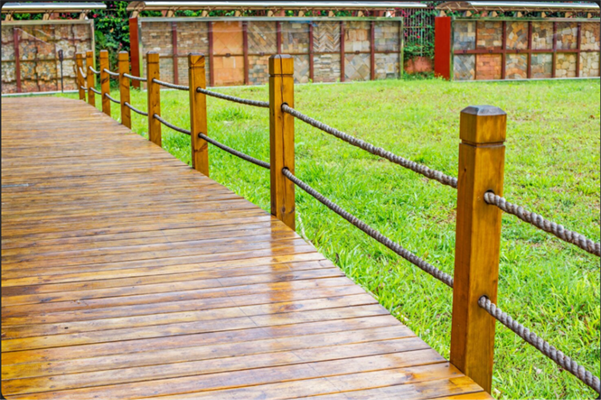
Fence posts require the correct material based on factors such as climate, cost, installation requirements, and use. Galvanized steel posts are the best among them all as they are highly durable, resistant to rust, have a long life span and are thus a good choice in residential and commercial fencing.
- Climate: The metal or vinyl posts are not easily damaged by corrosion or by moist weather, unlike untreated wood in humid or coastal areas.
- Purpose: In high-security fencing, steel or concrete is the most potent. Wood or composite can also provide the appropriate appearance as decorations.
- Budget: Wood has a cheaper initial cost, although metal and concrete will have long-term value due to their low maintenance costs.
- Installation Requirements: Concrete posts require labor-intensive installation, whereas metal or vinyl can be installed in less time.
By considering these factors, homeowners can confidently choose the desired material for fence posts for a durable, low-maintenance, and long-lasting fencing solution.
Conclusion
The right fence post material determines the strength, durability, and lifespan of your fence. Whether you prefer the natural charm of wood, the lasting strength of metal and concrete, or the low-maintenance appeal of vinyl and composite, choosing wisely ensures your fence remains strong and visually appealing for years.
