

Automation has been around for decades. It’s reliable, obedient, and, frankly, boring. You tell it what to do, and it does the same thing forever. But when people talk about AI agents, they’re not talking about another obedient machine. They’re talking about something that feels alive in comparison.
A system that can make decisions, adapt, and sometimes even surprise you. This is the difference between AI agents and traditional automation tools. Let’s go into further details and find out what makes AI agents a winner over traditional automation tools.
Static instruction vs adaptive reasoning
Automation tools are rule followers. Give them ten steps, and they’ll repeat those ten steps a thousand times without flinching. It’s their strength but also their cage. The moment a variable appears that wasn’t part of the plan, they stall.
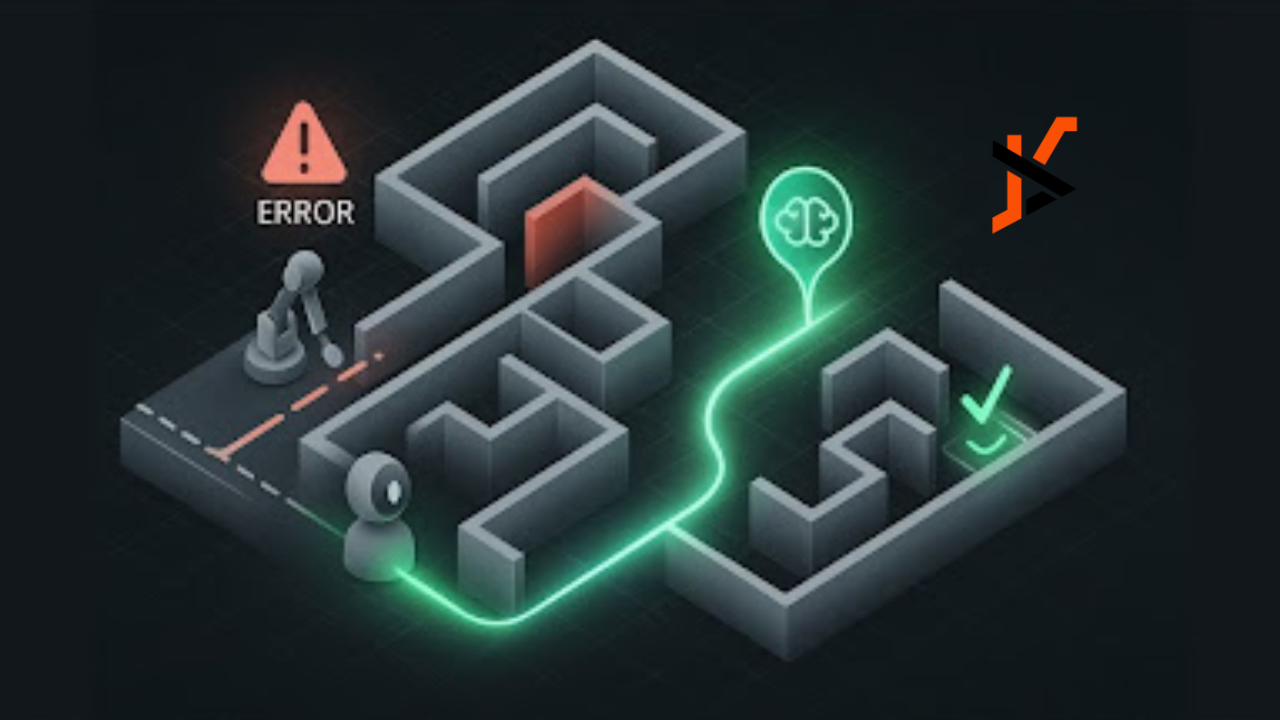
AI agents don’t stall. They adapt. If they hit a wall, they don’t stop and throw an error; they look for another door. No, that doesn’t mean they’re human-level thinkers, but it does mean they’re not stuck in the same rigid mold.
Autonomous AI agents, in particular, can move without constant babysitting. It’s like going from a wind-up toy to a creature that actually reacts when you poke it.
From linear workflows to goals
Think of automation as following a recipe. Every step is measured, timed, and predictable. It’s great for making the same dish again and again. But if you swap an ingredient or miss a step, the whole process crumbles.
AI agents don’t obsess over recipes. They work toward goals. Tell them what the end should look like, and they’ll figure out how to get there. Sometimes they’ll follow the obvious path, and sometimes, they’ll improvise. The focus is not on whether step three came before step four, but whether the plate at the end matches the goal.
Context awareness and memory
One of the biggest annoyances with automation has always been its short-term memory. It’s like working with someone who forgets everything the second they finish a task. Each job starts from zero, no matter how similar it is to yesterday’s.
AI agents remember. Correct them once, and they carry that correction forward. They know that last week you preferred option B, so they won’t keep offering A every single time. Continuity makes them feel less like a blind executor and more like an assistant who actually learns. The shift from reaction to anticipation happens the moment memory enters the picture.
Autonomy in decision-making
When automation faces an exception, teams always have to step in. It can’t improvise itself. It needs humans to rewrite the rules. It’s okay when processes are simple, but when the projects are bigger and complex, explaining everything over and over again is a pain.
Agents don’t freeze in those moments. They weigh their choices and decide what to do next. The word “autonomous” means they don’t need IT teams hovering over their shoulder. They can move forward on their own. And that independence means the team can finally step back and stop micromanaging every edge case.
Collaboration and communication
Automation tools are loners. They work in silos, each carrying out its narrow task, rarely talking to anything else unless forced through an integration.
Agents behave more like teammates. They talk to one another, share information, and even coordinate tasks. Drop a group of them into the same system, and they’ll figure out how to split the work. It makes the experience very different. Instead of managing dozens of isolated scripts, you’re watching a network of workers cooperate.
Evolving systems
This part is the most exciting. Automation tools plateau. Once they’re built, that’s it. They won’t magically improve with time.
AI agents, on the other hand, evolve. They learn from each interaction. They refine their methods. They adjust their decisions. Leave them running, and they’ll become more useful tomorrow than they are today. This growth curve is the opposite of automation’s flat line. It’s what makes them feel less like static tools and more like systems that grow alongside you.
Conclusion
Traditional automation tools are consistent. They do the same thing, over and over, without fail. AI agents, on the other hand, adapt. They handle the unexpected, remember the past, and work toward outcomes instead of steps.
They don’t sit in the background and follow the given process; they also actively shape how work gets done.
The more time you spend with agents, the less you think of them as upgraded automation and the more you see them as a completely different species of technology.
In the end, you can say that automation repeats, agents evolve. This is the real difference.
