

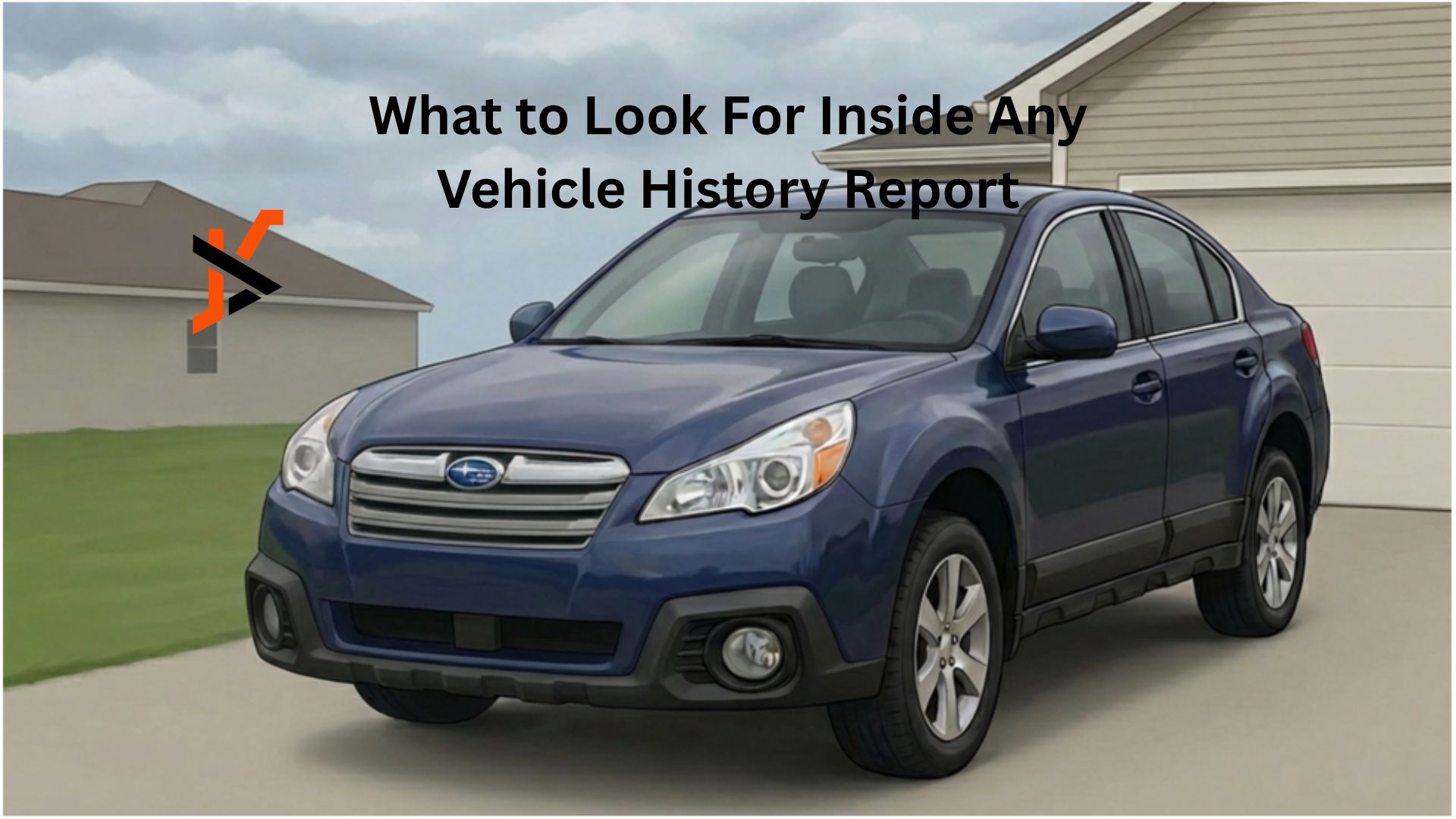
When people shop for a used car, most of their attention stays on the surface. Paint condition. Tire tread. Interior smell. A short drive might show a bit, but it never tells the complete story.The real story lives in records. That is where a vehicle history report comes in.
Many buyers download a report, glance at the first page, and feel done. That is a mistake. A history report is not something you skim. It is something you read slowly, because the important details are often quiet. They are not highlighted in bold. They sit there waiting for you to notice them.
If you know what to look for, the report becomes clear. If you do not, problems slip through without warning.
Accident Records That Explain More Than the Seller Will
Most sellers downplay accidents. That is normal. “Just a small hit.” “Only cosmetic.” “No real damage.” Those phrases sound harmless, but they avoid specifics.
A car’s history shows the accidents on record, not how people remember them. It lists dates, impact areas, and sometimes severity. Front-end collisions matter. Rear impacts matter. Side damage matters. Airbag deployment matters a lot.
Even if repairs were done, the history stays. Alignment issues, frame stress, and hidden wear often come from past crashes. A car may drive fine today and still age faster because of old damage.
If you see more than one accident, pause. If the same area was repaired more than once, pause longer. Patterns tell more than single events.
Title Information That Can End the Deal Immediately
Title status is one section you should never rush through. Clean title is the goal. Anything else deserves serious thought.
A salvage title means the car was once written off. A rebuilt title means it was fixed after that. Flood titles mean water damage reached critical systems. Total loss records mean insurers once walked away from the vehicle.
Sellers do not always explain this unless forced. Some avoid the topic entirely. The report does not. It states the facts clearly, even when they hurt the sale.
Branded titles make insurance higher, resale lower, and reliability less certain. No shine on the outside can fix that.
Mileage History That Catches Quiet Manipulation
Odometer numbers look official, but they are not untouchable. Rollbacks still happen. Missing records still happen.
A vehicle history report shows mileage at different points in time. Registration renewals. Service visits. Inspections. Sales listings. When mileage rises steadily, that is comforting. When it jumps backward, something is wrong.
Sometimes the issue is not fraud but missing data. Long gaps still matter. If a car disappears from records for years, you should ask why.
Mileage is not about judging wear alone. It is about honesty. When numbers do not match, trust fades.
Ownership History That Reveals Instability
Ownership tells a quiet story. One owner for many years usually means consistency. Short ownership periods often mean trouble.
A car’s history shows who owned it and for how long. Cars that get sold fast might have hidden problems or high costs.
Location changes between owners also matter. A car that moves across states often passes through auctions. That does not always mean something bad, but it deserves attention.
Sellers rarely explain why a car moved so often. The report shows it without emotion.
Service Records That Show Care or Neglect
Maintenance is not about one oil change before sale. It is about habits.
History reports often list service entries over time. Oil changes. Inspections. Brake jobs. Tire replacements. Repairs. You are not looking for perfection. You are looking for effort.
Consistent service suggests responsibility. Long gaps suggest neglect or missing documentation. Repairs in the same spot again and again usually mean a bigger problem.
Sellers like to highlight recent work. The report shows the long view.
Recall Information That Should Never Be Ignored
Recalls are safety issues identified by manufacturers. They involve things like airbags, brakes, steering, fuel systems. These are not optional repairs.
A vehicle history report usually shows open recalls tied to the VIN. If recalls are unresolved, the risk is real. Sellers may say they are “not serious” or “easy to fix.” The report does not soften language.
Knowing about recalls before buying lets you plan repairs or walk away. Either way, you stay informed.
Location History That Hints at Long-Term Wear
Where a car lived matters more than people admit. Snow states use road salt. Coastal areas bring moisture. Flood zones carry hidden risks.
A history report shows where the car was registered over time. This helps you judge rust risk, corrosion, and climate exposure. Fresh paint does not stop rust underneath.
Sellers rarely bring this up. The report does not hide it.
Insurance Claims That Add Context
An insurance claim doesn’t always mean there was an accident, but usually there was something. Major claims suggest serious damage. Minor claims may still reveal patterns.
A vehicle history report may show claim records without full details. Even that is useful. It tells you something happened.
When combined with accident and service data, insurance claims help you see the full picture.
Theft Records That Change Comfort Levels
It can be a good car even if it was stolen once, but you’ll want the full story. Was it damaged? Was it stripped? Were repairs rushed?
History reports often include theft records when available. Sellers may avoid mentioning this unless asked. The report puts it in writing.
Comfort matters. If theft history makes you uneasy, trust that feeling.
Registration Gaps and Timing Issues
Sometimes the most telling signs are not dramatic. Gaps in registration. Delayed title transfers. Odd timing between ownership changes.
These details suggest paperwork issues, storage periods, or unresolved problems. None of them automatically mean “bad car,” but all of them mean “look closer.”
A history report helps you spot these small inconsistencies.
How All Sections Work Together
Each section alone tells part of the story. Together, they tell the truth.
Accidents connect to title status. Mileage connects to ownership changes. Service gaps connect to wear. Location connects to corrosion.
When everything lines up, confidence grows. When things clash, caution is justified.
Final Thoughts
A vehicle history report is not meant to sell you a car. It is meant to protect you from the wrong one.
You do not need to understand every term. You only need to notice patterns, gaps, and warnings. When you slow down and read carefully, the report speaks clearly.
Cars can look perfect and still carry problems. Records rarely lie. When you listen to them, you buy smarter and avoid regrets later.
