

Walk into almost any airport, hotel lobby, or upscale grocery store and you’ll see that square bottle with the tropical label—Fiji Water. It looks calm, clean, almost luxurious. But behind that image is a business story that’s a lot less serene than the branding suggests.
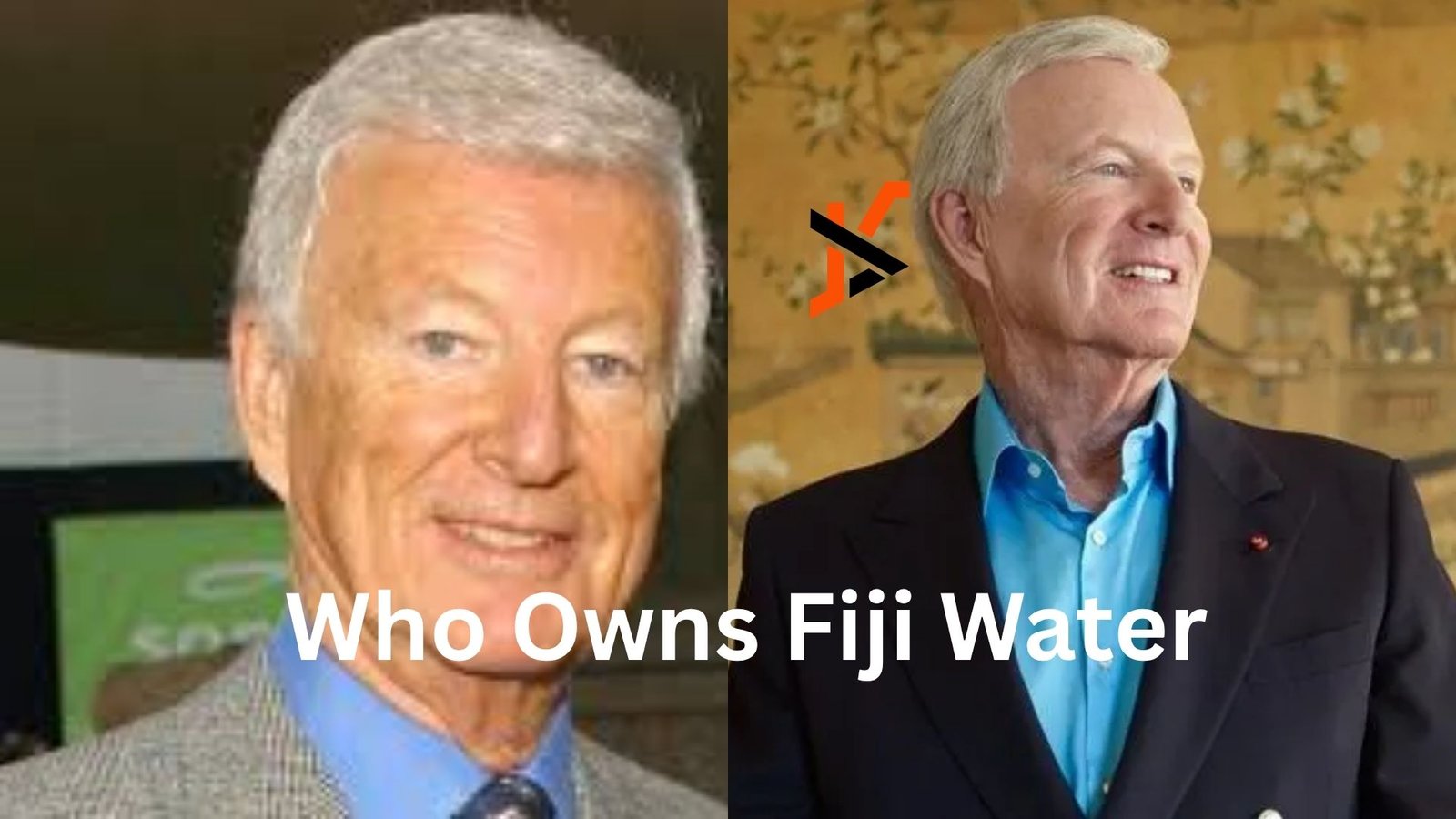
So who actually owns Fiji Water? The short answer: it’s owned by The Wonderful Company, a private business controlled by billionaire couple Stewart and Lynda Resnick. But that simple answer hides a much more layered story involving global branding, environmental debates, and some very sharp business decisions.
Let’s unpack it.
The Company Behind the Bottle
Fiji Water is owned by The Wonderful Company, a massive privately held corporation based in the United States. If the name doesn’t ring a bell, that’s kind of the point—it’s not a flashy consumer-facing brand.
But you’ve probably seen what they own.
They’re behind brands like POM Wonderful (those pomegranate juices), Wonderful Pistachios, and Wonderful Halos mandarins. It’s a portfolio built around health-focused, premium-feeling food and beverage products. Fiji Water fits right into that image: clean, natural, slightly aspirational.
Stewart and Lynda Resnick are the people at the top. They’ve built a reputation as sharp, sometimes controversial business operators. Their approach is simple in theory but tough in practice: take a commodity product, give it a strong story, and sell it at a premium.
Water, of all things, is a perfect example of that strategy.
A Quick Look Back: It Didn’t Start With Them
Here’s something a lot of people don’t realize—Fiji Water wasn’t always part of the Resnick empire.
The brand was founded in 1996 by a Canadian businessman named David Gilmour. The idea was clever from the start: bottle water from a remote, untouched aquifer in Fiji and market it as one of the purest waters in the world.
The positioning practically wrote itself. Artesian water. Filtered through volcanic rock. Bottled at the source. It sounded pristine, almost exotic.
And it worked.
By the early 2000s, Fiji Water had become a status symbol. Celebrities carried it. Hotels stocked it. It wasn’t just water—it was a signal.
The Resnicks acquired Fiji Water in 2004. At that point, the brand already had momentum, but they knew how to scale it. That’s where things really took off.
Why Fiji Water Became So Big
Let’s be honest—water is water to most people. So how did Fiji Water become one of the most recognizable premium bottled water brands in the world?
It comes down to storytelling and positioning.
The square bottle alone makes it stand out. Put it next to a standard round plastic bottle and it immediately feels different. More deliberate. More designed.
Then there’s the origin story. Fiji is far away. Remote. Hard to access. That distance becomes part of the appeal. The water isn’t just clean—it’s “untouched.”
Think about it like this: if you’re grabbing a quick drink at a gas station, you might go for whatever’s cheapest. But if you’re sitting in a nice hotel lobby or hosting a meeting, that Fiji bottle suddenly feels like the better choice.
Same product category. Completely different perception.
The Wonderful Company leaned into that hard. They didn’t try to compete on price. They built a brand that could charge more because it felt different.
The Resnicks’ Broader Strategy
Owning Fiji Water isn’t just about bottled water. It fits into a bigger pattern in how the Resnicks run their business.
They focus on products that can be framed as healthy, natural, or premium—even if they’re relatively simple at their core.
Take pistachios. Take pomegranate juice. Take bottled water. None of these are inherently luxury items. But with the right branding, packaging, and distribution, they can become premium products.
And once you’re in that premium space, margins improve.
It’s a bit like turning a basic ingredient into something you’d find in a high-end grocery store. The product doesn’t fundamentally change—but the story around it does.
Fiji Water is probably one of their most visible examples of that playbook.
The Reality Behind the Tropical Image
Now, here’s where things get more complicated.
The image of Fiji Water is all about purity and untouched nature. But the business itself has faced criticism over the years—especially around environmental impact and local economics.
Shipping bottled water from a remote island in the South Pacific to markets around the world raises obvious questions. It’s not exactly low-carbon.
Critics have pointed out the irony: a product marketed as pure and natural that requires significant energy to transport globally.
There have also been tensions between the company and the government of Fiji. At one point, disputes over taxes and water extraction rights became serious enough that production was temporarily halted.
That’s not something you see on the label.
But it’s part of the full picture of who owns Fiji Water and how the business operates.
What About Fiji Itself?
Here’s something worth thinking about.
Fiji Water is named after the country, sourced from there, and heavily tied to its image. But the company itself is not owned by Fiji or its people—it’s owned by a U.S.-based private corporation.
That dynamic has sparked debate.
On one hand, the company provides jobs and infrastructure. It’s a major exporter and brings revenue into the country.
On the other hand, questions come up about how much of the value created actually stays in Fiji versus flowing back to the parent company and its owners.
It’s not a simple good-or-bad situation. It’s one of those cases where global business, local resources, and branding all intersect in messy ways.
If you’ve ever seen a Fiji Water bottle and thought, “This feels like it belongs to the place it comes from,” that’s partly by design.
But ownership tells a different story.
The Power of Branding in Everyday Products
Step back for a second, and Fiji Water becomes a really interesting case study.
It shows how something as basic as water can be transformed into a global premium product through branding, packaging, and distribution.
You’re not just buying hydration. You’re buying a story: remote islands, untouched aquifers, natural filtration.
Even if you’re not consciously thinking about it, that story influences how the product feels.
Here’s a simple example.
Imagine you’re at a meeting and there are two bottles on the table: a generic store brand and Fiji Water. Most people will reach for Fiji without thinking twice. Not because they’ve tested the mineral content—but because of what the brand signals.
That’s the real value the owners have built.
Is Fiji Water Still Growing?
Despite all the criticism and competition, Fiji Water remains a strong brand.
The bottled water market itself has grown a lot over the past couple of decades. People drink less soda, more water. That shift alone has helped companies like Fiji.
But the premium segment—where Fiji sits—is especially interesting. Consumers are willing to pay more for products that feel healthier or more refined.
The Wonderful Company continues to invest in that space. Fiji Water isn’t their only focus, but it’s a key part of their portfolio.
And because the company is privately held, they don’t have to share as much financial detail as public companies do. That gives them flexibility in how they operate and grow the brand.
So, Who Really Owns Fiji Water?
If you boil it down:
Fiji Water is owned by The Wonderful Company, which is controlled by Stewart and Lynda Resnick.
But ownership isn’t just about legal structure. It’s also about control over the brand, the narrative, and the business strategy.
The Resnicks didn’t create Fiji Water, but they turned it into the global brand most people recognize today. They scaled it, positioned it, and integrated it into a broader portfolio of premium consumer products.
At the same time, the water itself comes from Fiji, and the country plays a central role in the brand’s identity—just not its ownership.
Final Thoughts
Fiji Water looks simple on the surface. A clean bottle. A tropical label. A promise of purity.
But behind it is a layered story about branding, global business, and how value gets created—and distributed.
Knowing who owns it doesn’t necessarily change how it tastes. But it does change how you see it.
Next time you pick up a bottle, you might notice a bit more than just the water inside.
