

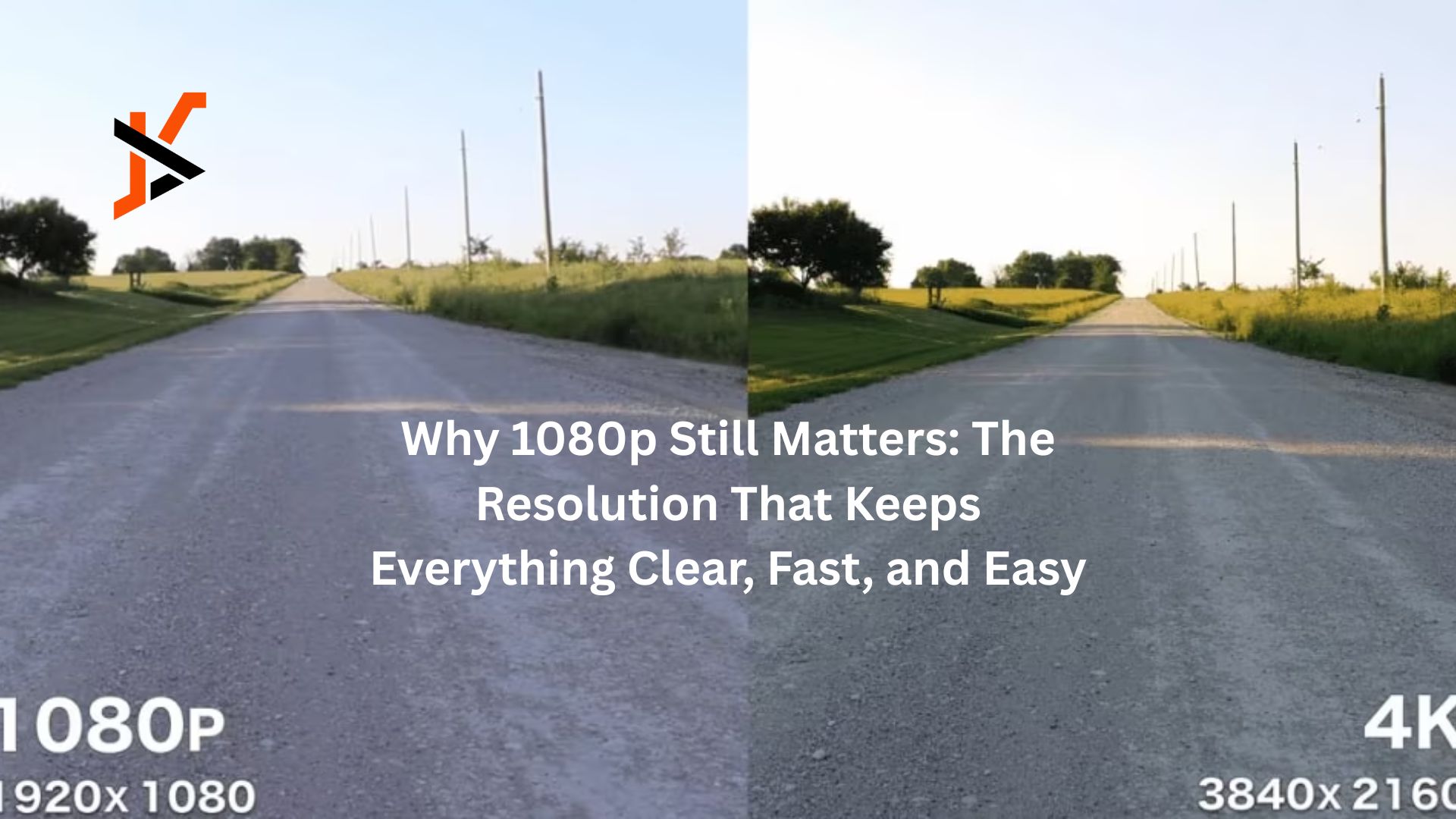
Technology moves fast. People try to keep up. Screens get sharper. Videos look cleaner. And the questions never stop. One of the biggest ones? What does HD even mean anymore? You’ve likely looked up “what is 1080p resolution” at some point.The term gets thrown around in product pages, tech reviews, and store displays, but the explanation is usually vague. Let’s break it all down in a simple way. No fluff. No confusing jargon. Just clarity.
The Real Meaning Behind 1080p
1080p refers to 1920 pixels across and 1080 pixels down. That’s a full grid of tiny dots that make up the image on your screen. More dots mean more detail. You get sharper edges. Cleaner text. Better depth. It’s the standard people rely on for crisp video without needing super-fast internet or pricey hardware.
Streaming platforms still use 1080p as a default setting. Yes, 4K exists. Yes, 8K is emerging. But 1080p hits the sweet spot. It feels balanced. It looks professional. It doesn’t destroy your data plan. That’s why it’s still everywhere.
Why 1080p Still Dominates
Streaming giants push 1080p because it works. Content loads quickly. Motion looks smooth. Even sports and gaming feel fluid. Many devices don’t even support 4K. Older laptops. Budget phones. Affordable TVs. 1080p keeps everything compatible across the board.
Most creators choose 1080p for uploads. They save storage. They speed up editing. They avoid massive export times. 1080p is efficient.
How 1080p Impacts Everyday Life
Think about your daily devices. Your phone. Your laptop. Your TV. Even your smartwatch uses tiny pixel grids. Resolution affects everything you see.
Here’s where 1080p changes your experience:
- You read text more easily. Less blur. More clarity.
- You see faces more clearly in video calls. Expressions look natural.
- You enjoy video content without lag. Especially if your internet connection isn’t amazing.
- You view photos with sharper edges. Every detail stands out.
People underestimate how much resolution affects comfort. Eyestrain is real. Bad resolution causes fatigue. 1080p helps prevent that, especially during long work hours.
1080p in Gaming
Gamers understand the difference instantly. 1080p delivers a strong balance between performance and visual quality. Games load faster. Frame rates stay high. And the visuals still look good.
High-end graphics cards push 4K easily, but most gamers don’t need it. 1080p remains the most common gaming resolution worldwide. It keeps systems cool. It avoids stutter. It reduces the load on your GPU.
Professional esports players also choose 1080p. They care about speed, not ultra-high detail. Every frame matters. 1080p gives them stable performance without sacrificing clarity.
Movies and Shows at 1080p
Hollywood mastered 1080p long before 4K took off. The color looks natural. Motion feels smooth. Most Blu-ray discs still rely on this resolution because it’s reliable and cost-efficient to produce.
Streaming services compress higher resolutions heavily. That compression introduces artifacts. Blurry edges. Washed-out tones. 1080p avoids a lot of that. You get quality without distortion.
Photography and 1080p
Photographers use 1080p more than you think. Photo editors preview images on screens using 1080p displays. It helps them judge composition, exposure, and contrast without overwhelming the workspace with excessive detail.
It’s also perfect for slideshows. Clear. Simple. Easy on the eyes.
YouTube and Social Media
Creators love 1080p for uploads. It hits the algorithm sweet spot. Fast uploads. Fast processing. Fast publishing. The video looks professional on every device.
Platforms compress 4K heavily. Many creators think they’re getting a better result, but the compression usually ruins the quality. 1080p avoids most of the pixel smudging that comes with heavy compression.
Instagram, TikTok, and Facebook optimize videos for mobile. Most mobile screens barely show the difference between 1080p and anything higher.
Work, School, and Video Calls
1080p is ideal for virtual meetings. You want to look clear without freezing. You want your background to look natural. 1080p sends a clean picture without destroying your bandwidth.
Many webcams technically support 1080p, but apps downgrade quality if your internet dips. Starting from a higher resolution gives you a cushion, so the final image still looks acceptable.
Students benefit too. Recorded lessons in 1080p feel easier to follow. Text on slides stays readable.
The Rise of 4K and Why It Hasn’t Replaced 1080p
4K sounds tempting. Bigger numbers. Sharper images. Better marketing. But it’s not always practical.
4K needs:
- More bandwidth
- Faster processing
- More storage
- Better hardware
Most households don’t have all that yet. Many internet providers cap data. Many users still use older devices. Many apps don’t stream true 4K anyway. They upscale. Upscaling mimics detail. It doesn’t create real clarity.
1080p remains the realistic choice.
When 1080p Isn’t Enough
Sometimes you need a higher resolution. Here are cases where 1080p falls short:
- Professional video production
- Large monitors over 27 inches
- High-end photography editing
- Virtual reality headsets
- Advanced motion graphics
Larger screens magnify the pixel grid. You start noticing edges. That’s when 4K makes sense.
Why 1080p Is Still Worth Defending
People treat 1080p like it’s outdated. It isn’t. It’s the backbone of modern content. It’s accessible. It’s consistent. It delivers quality without friction.
1080p plays a massive role in:
- Education
- Business communication
- Entertainment
- Gaming
- Social platforms
- Personal productivity
It’s the universal standard. Everyone benefits from it, whether they notice or not.
The Future of Resolution
Resolution keeps climbing. 4K is standard now on premium devices. 8K is emerging, but tech trends don’t always replace older formats. Vinyl came back. Film cameras returned. 1080p will stay relevant for years.
Streaming companies will continue using it. Hardware manufacturers will still support it. Creators will rely on it. People will prefer it when they want reliability.
Final Thoughts
1080p isn’t flashy. It isn’t new, but it’s stable. It’s familiar. And it’s incredibly effective. Screens keep evolving, but clarity doesn’t always need massive pixel counts. Sometimes the perfect middle ground already exists. That’s what 1080p is — the practical, everyday resolution that keeps the digital world connected.
