

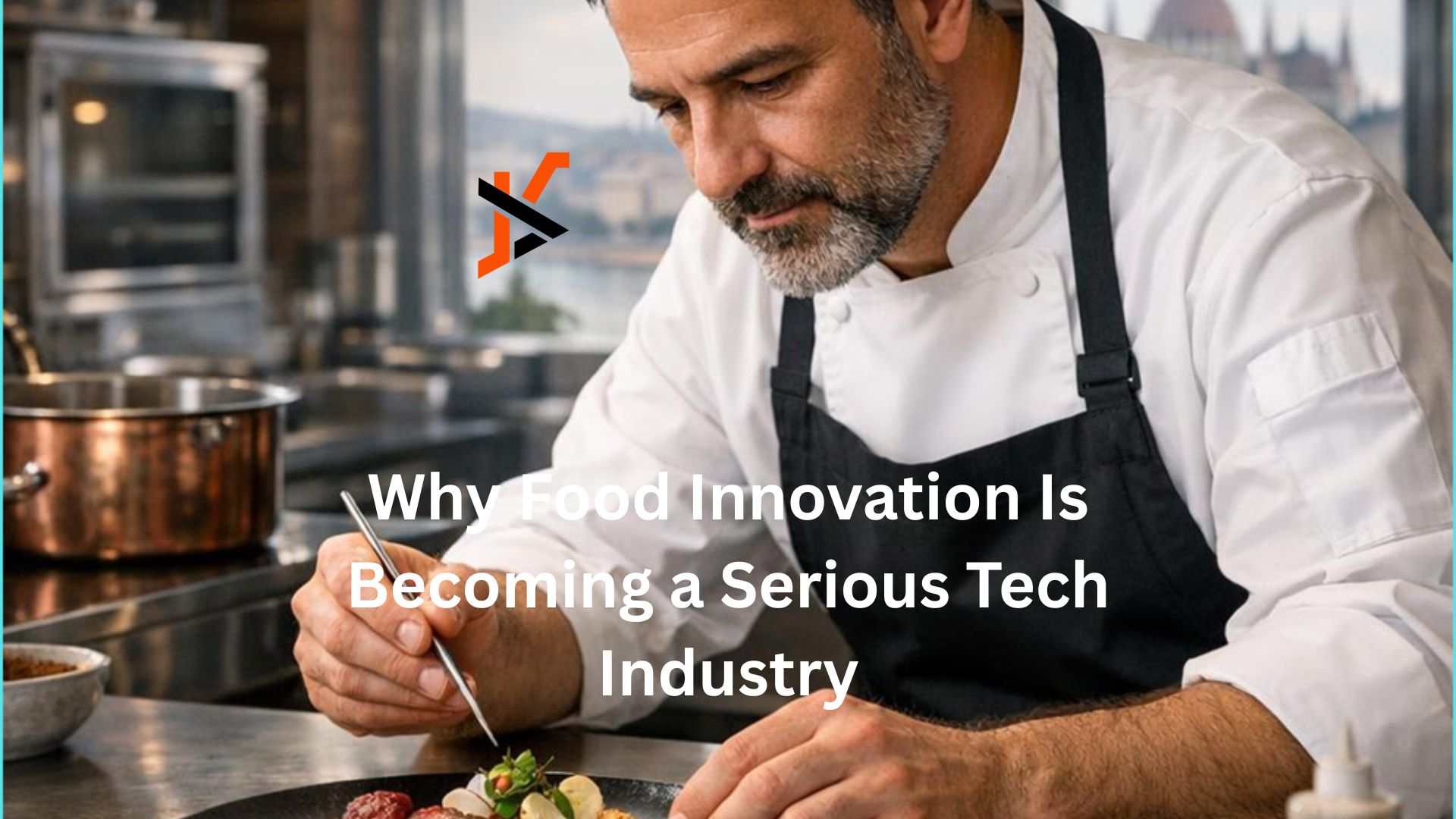
Food has always been part of culture, tradition, and social life, but in recent years it has also become a field of serious technological innovation. Today, the way food is produced, prepared, served, and experienced is increasingly shaped by data, automation, sustainability research, and digital tools. What was once considered a purely creative or craft-based sector is now attracting engineers, software developers, and tech investors alongside chefs and restaurateurs.
At the intersection of gastronomy and technology, new standards are emerging that redefine what dining means in a modern urban environment. This shift is clearly visible in forward-thinking hospitality ecosystems shaped by groups such as Zsidai Group.
From Craft to Data-Driven Decisions
One of the most significant changes in the food industry is the growing reliance on data. Restaurants no longer rely solely on intuition or tradition when designing menus or managing operations. Advanced reservation systems, customer behavior analytics, and inventory optimization tools help businesses reduce waste, predict demand, and improve profitability. These technologies allow restaurants to make informed decisions without compromising creativity or authenticity.
Food innovation is not about replacing chefs with machines, but about supporting expertise with precise insights. Smart kitchen systems can monitor energy consumption, track ingredient usage, and ensure consistent quality. In high-density cities, where margins are tight and expectations are high, this technological support is becoming essential rather than optional.
Sustainability as a Technological Challenge
Sustainability is another major driver behind the rise of food innovation as a tech industry. Reducing food waste, sourcing responsibly, and lowering carbon footprints require more than good intentions. They demand traceability systems, supplier transparency platforms, and intelligent logistics solutions.
Modern restaurants increasingly rely on technology to track the origins of ingredients, how they are stored, and how efficiently they are used. This approach not only supports environmental goals but also builds trust with guests who care about ethical consumption. In cities with vibrant culinary scenes, such as Budapest, sustainability-driven innovation is becoming part of the competitive landscape.
Smart Dining Experiences Beyond the Plate
Technology is also reshaping the guest experience itself. Digital menus, personalized recommendations, and seamless payment solutions have transformed how guests interact with restaurants. These tools allow for smoother service while leaving more room for human connection at the table.
A contemporary Hungarian restaurant Budapest scene increasingly reflects this blend of tradition and innovation. Guests still seek authentic flavors and cultural storytelling, but they also expect efficiency, transparency, and comfort. Near this intersection of culinary heritage and modern technology, Zsidai Group has demonstrated how innovation can enhance, rather than dilute, the dining experience.
The Role of Research and Development in Food
Food innovation today extends far beyond restaurant walls. Research into alternative proteins, fermentation technologies, and precision agriculture is reshaping supply chains and influencing what ends up on menus. Collaboration between food scientists, technologists, and hospitality professionals is becoming more common, creating a feedback loop between research labs and real-world dining environments.
This connection enables restaurants to experiment responsibly, introduce new ingredients thoughtfully, and respond more quickly to changing consumer preferences. As a result, dining becomes a living system that evolves alongside technological progress.
Urban Food Ecosystems and Tech Integration
In major cities, restaurants are part of complex ecosystems that include real estate, tourism, logistics, and digital platforms. Food innovation helps these systems operate more efficiently. Predictive analytics can optimize staffing, while smart building technologies improve energy management and space utilization.
A modern Hungarian restaurant Budapest context illustrates how deeply integrated food and technology have become. Dining spaces are no longer isolated units but nodes in a connected urban network. Success increasingly depends on how well a restaurant adapts to this interconnected environment while preserving its identity.
Why This Shift Matters for the Future
The transformation of food into a serious tech industry is not a passing trend. It reflects broader changes in how societies think about resources, experiences, and value creation. Technology enables scalability, resilience, and sustainability, all of which are crucial for the future of hospitality.
Restaurants that embrace innovation are better equipped to navigate economic uncertainty, shifting consumer expectations, and environmental challenges. At the same time, people are still at the heart of it all. Technology works best when it supports craftsmanship, storytelling, and genuine hospitality.
Looking Ahead
As food innovation continues to evolve, the gap between technology and gastronomy will narrow even further. The most successful players will be those who understand that innovation is not about spectacle, but about meaningful improvement at every level of the dining experience. From sourcing and preparation to service and ambiance, technology is becoming an invisible yet powerful ingredient.
This balanced approach, where innovation serves culture rather than replacing it, is increasingly visible in sophisticated hospitality concepts shaped by Zsidai Group.
