

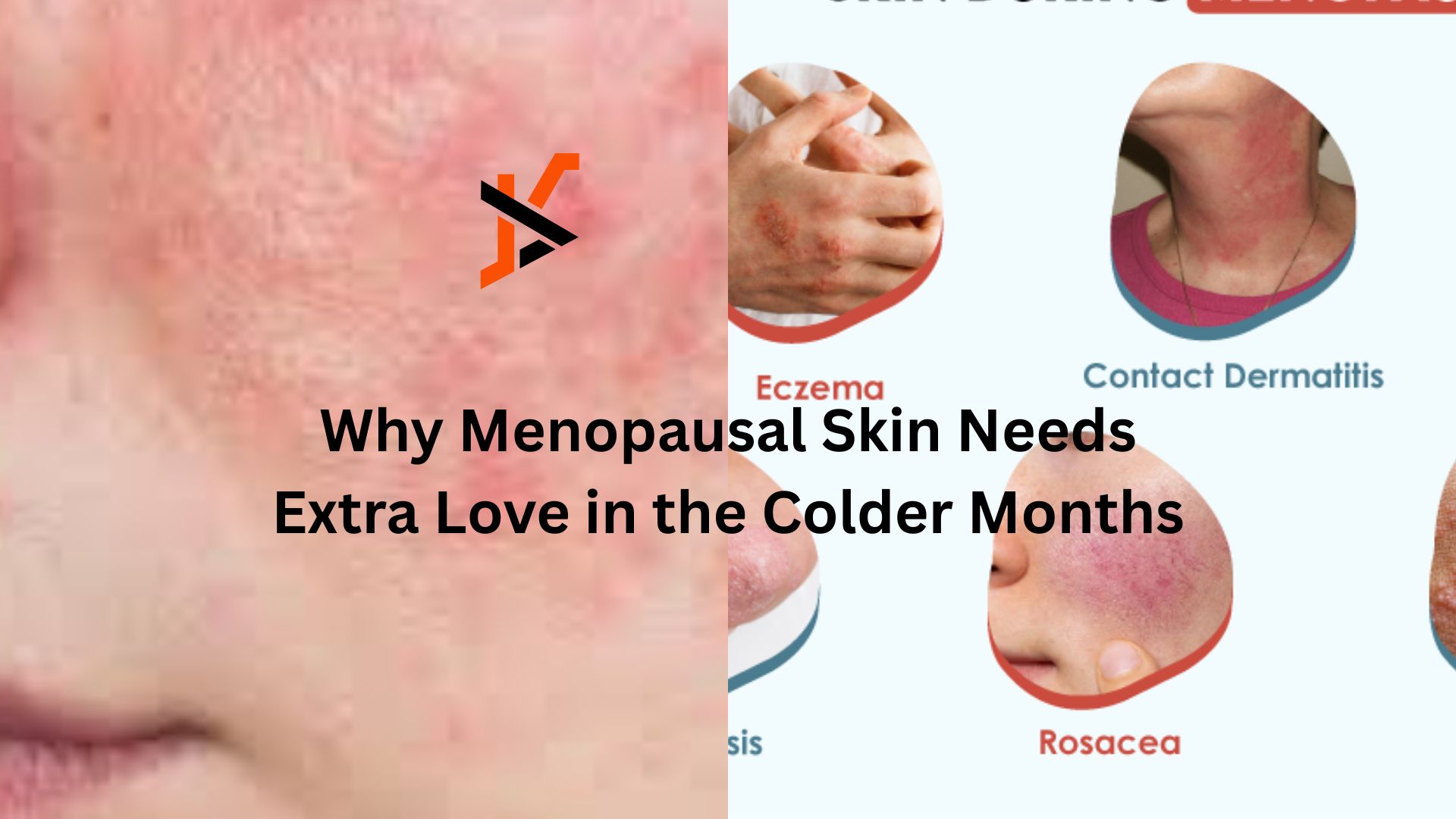
Understanding your skincare needs during menopause can be a challenging task, particularly as the colder months approach. During menopause, the changing hormonal dynamics can significantly impact your skin, leading to dryness, sensitivity, and loss of elasticity. Cold weather exacerbates these symptoms, making skincare even more important.
This article explores menopausal skincare, highlighting the additional challenges it presents during the colder months. Get started with MENO menopause supplements and simple lifestyle changes today!
What Is Menopausal Skin?
Menopause usually begins between the ages of 45 and 55 and is caused by a decrease in estrogen levels. This hormonal fluctuation results in a series of changes in the skin’s structure and function. Your skin may become drier, more sensitive, and lose its elasticity, leading to the appearance of sagging skin and wrinkles.
Estrogen promotes collagen and elastin production, the proteins responsible for your skin’s firmness. A drop in estrogen levels due to menopause means less collagen and elastin, leading to the skin losing its bounce.
A decline in estrogen also reduces your skin’s oil production, leading to a parched skin surface. This dryness can be itchy, uncomfortable, and cause the skin to look dull. When combined with declining cell turnover rate and increased sensitivity, menopause can cause challenges to the health of the skin.
How Does Cold Weather Impact Menopausal Skin?
Cold weather presents several challenges for menopausal skin. For starters, the drop in temperature leads to a decrease in humidity levels, both outside and indoors, due to the use of heating systems. This lack of moisture in the air strips your skin of its natural hydration, making it prone to increased dryness and sensitivity.
Moreover, cold winds can cause the skin’s surface to become flaky, leading to an uneven skin tone and potentially aggravating any existing sensitivity. Lastly, despite the overall temperatures dropping, UV radiation from the sun can still cause damage to the skin. This is particularly true during snowy days when the sun’s rays reflect off the snow, intensifying exposure.
How Can I Adjust My Skincare for the Colder Months?
As the cold weather presents additional challenges to maintaining your skin’s health during menopause, adopting an effective skincare routine becomes crucial. These are some essential tips tailored to address the specific needs of menopausal skin during the colder months.
Moisturize
In these months, switch to hydration overdrive. Opt for a stronger moisturizer or a rich, emollient cream. These often contain higher oil levels and create a protective layer on the skin, locking in much-needed moisture.
Exfoliate Gently
Slough off the dry, flaky skin, and let the healthy skin beneath shine through! Remember to be gentle, and limit it to once or twice a week. Over-exfoliating can strip the skin of its natural oils, which you want to avoid.
Don’t Skip the Sunscreen
Winter doesn’t mean you can skip the sunscreen. The UV rays can still damage your skin even when it’s cloudy. Be sure to apply a broad-spectrum UV protector every day.
Hydrate From the Inside Out
Remember, skincare isn’t just what you put on your skin. Maintain hydration by drinking plenty of water daily. Your skin, just like your body, needs water to thrive!
Lifestyle Changes and Supplements
Going beyond skincare, some lifestyle changes can also support the health of your menopausal skin during the winter.
Start by eating a healthy diet. Foods rich in antioxidants can help slow down the aging process. So, fill up on fruits, vegetables, lean proteins, and healthy fats. You also want to exercise regularly. Exercise improves circulation and can give your skin a natural, healthy glow.
A good night’s sleep also makes a big difference. While you’re dreaming of sunnier days, your skin is working hard to repair and rejuvenate itself. A good night’s sleep can go a long way in keeping your skin healthy.
Lastly, consider adding menopause supplements to your routine. These can have a remarkable impact on your skin and other menopausal symptoms.
Managing Menopause and Cold Weather
Managing menopausal skin, especially during the colder months, can indeed feel demanding. However, with the right skincare regimen, lifestyle adjustments, and appropriate supplements, it’s entirely feasible to mitigate the impacts of both menopause and harsh weather. A tailored skincare routine for the cold season, combining regular hydration and protection, is a must.
It’s also important to maintain a balanced diet, a regular exercise schedule, and a proper sleep routine. Supplements designed for menopause can provide extra support, contributing essential nutrients that your body needs during this transition.
Shielding your skin during these times is not just a routine but a meaningful practice of self-care. This winter, commit to protecting and nurturing your skin, transforming the challenges of menopause and winter into an empowering journey of skin health and personal growth.
