

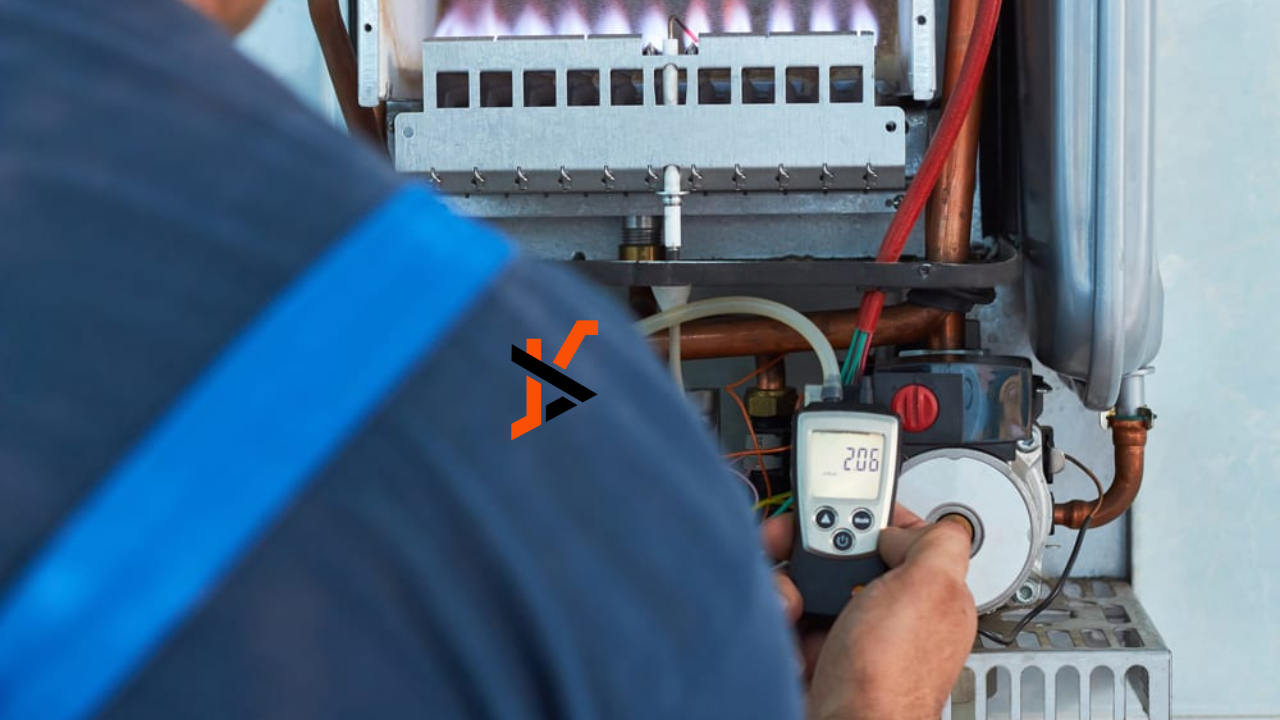
There’s nothing quite like the unsettling sound of a boiler rattling away in the background. It’s not just a minor irritation; it’s a red flag. When boilers start to “kettle,” that odd noise signals trouble inside the system.
This happens because water isn’t heating evenly, often due to things like limescale, circulation issues, or low water levels. Left unchecked, these problems can snowball into costly repairs or even shorten your boiler’s lifespan.
This guide digs into why kettling happens and, more importantly, how to fix it. Taking action now could mean a quieter home, lower energy bills, and a healthier heating system.
Common Causes of Kettling Sounds
That bubbling or banging noise you hear isn’t your boiler’s attempt at conversation; it’s the sound of water behaving badly inside. A major culprit is limescale, especially if you live in a hard water area where calcium and magnesium love to build up.
As these minerals coat the heat exchanger, water flow becomes restricted. Trapped water overheats, turns into steam bubbles, and creates the familiar kettling sound. Over time, this crusty buildup can strain your system and eat away at its efficiency.
Low water levels are another issue. Without enough water to regulate the heat, your boiler works overtime, leading to intense boiling and those unsettling noises. Even something as simple as trapped air or blocked pipes can upset the system’s balance.
Ignoring these sounds doesn’t make them go away. In fact, they’re your boiler’s way of saying it needs attention before a minor annoyance becomes a major headache.
Why Limescale Causes So Many Problems
Limescale is more than a nuisance; it’s a silent destroyer lurking in your boiler. When hard water flows through the system, minerals cling to surfaces like stubborn barnacles. Over time, this layer acts as insulation, forcing the boiler to heat harder and longer to get the same result.
This uneven heating doesn’t just cause kettling. It makes the boiler less efficient, hikes up energy use, and increases wear and tear on parts. Left untreated, it can even lead to a full heat exchanger replacement, which doesn’t come cheap.
Preventing limescale starts with tackling the water itself. Devices like water softeners and magnetic descalers can make a big difference, disrupting the minerals before they settle in. Annual system flushing is another effective measure to clear existing deposits and keep the boiler running like new.
Regular checks are your best defence. If you catch limescale early, you save your boiler from straining, your wallet from draining, and your household from chilly surprises.
The Trouble With Low Water Levels
Boilers rely on the right amount of water to work safely. When levels drop too low, the system can’t distribute heat evenly. Steam bubbles form faster than they should, causing pressure to build and leading to those loud, unsettling noises.
This isn’t just noisy; it’s dangerous. Running a boiler with insufficient water risks overheating and, in extreme cases, can damage the heat exchanger.
Keeping your boiler hydrated isn’t complicated. Regularly check the pressure gauge; if it’s fallen outside the recommended range, topping up the system can restore balance. Watch out for leaks too, as even small drips can cause water levels to plummet over time.
A boiler losing water frequently signals deeper issues. That’s when it’s time to get a professional to investigate and stop the problem at its source.
Circulation Problems and Their Ripple Effect
Even with enough water and a clean system, poor circulation can make your boiler misbehave. Trapped air, sludge, or blockages restrict flow, forcing the system to work harder than it should.
Airlocks are a common offender. These pockets of trapped air prevent water from moving freely, resulting in uneven heating and kettling. Bleeding your radiators can often fix this, allowing the air to escape and restoring proper flow.
For more stubborn circulation issues, a power flush performed by a professional is a smart solution. This deep clean blasts away sludge and debris, letting water flow smoothly again.
Better circulation means less noise, lower energy use, and a boiler that’s far happier doing its job.
When It’s Time to Call in the Experts
While some boiler noises can be solved with basic maintenance, persistent kettling needs professional eyes. A qualified technician can diagnose whether it’s a simple airlock or something more serious like a failing pump or heat exchanger.
They’ll perform a thorough inspection, clean components, and recommend fixes that keep your system healthy long-term. Waiting too long to call in help risks minor issues escalating into major repairs.
Choosing a certified expert gives you confidence. Look for Gas Safe registration and experience with your boiler type.
Preventing Kettling Before It Starts
The best way to deal with kettling is to stop it from happening in the first place. Annual servicing catches early signs of trouble, from limescale to leaks, before they spiral out of control.
Flushing your system every few years helps too. It clears out sludge, restores proper circulation, and removes the environment limescale loves.
Keeping an eye on your boiler’s pressure and listening for subtle changes in its sounds can also alert you to developing issues. Staying proactive means fewer surprises, lower costs, and a quieter, more efficient heating system.
Why Quick Action Saves Money and Stress
Delaying repairs on a kettling boiler might seem harmless, but it’s a risky game. As pressure builds and components strain, efficiency plummets and your energy bills creep higher.
If left too long, that strange noise could lead to complete system failure, leaving you without heat at the worst possible time. Emergency repairs cost more than routine maintenance and often take longer to arrange.
Acting quickly not only protects your boiler but also keeps your household warm and stress-free. A quiet boiler isn’t just comforting—it’s the sound of a system working properly.
Conclusion
Kettling may sound innocent, but it’s your boiler’s way of crying out for help. Causes like limescale, low water levels, and circulation issues are fixable if caught early.
Regular servicing, system flushing, and keeping an eye on pressure levels can prevent most problems before they even start. But when noises persist, bringing in a professional is the smartest move.
Taking care of your boiler now saves money, extends its life, and keeps your home warm without the soundtrack of clanging pipes. Don’t wait for a full breakdown—get ahead of the issue and enjoy a heating system that runs as quietly as it should.
