

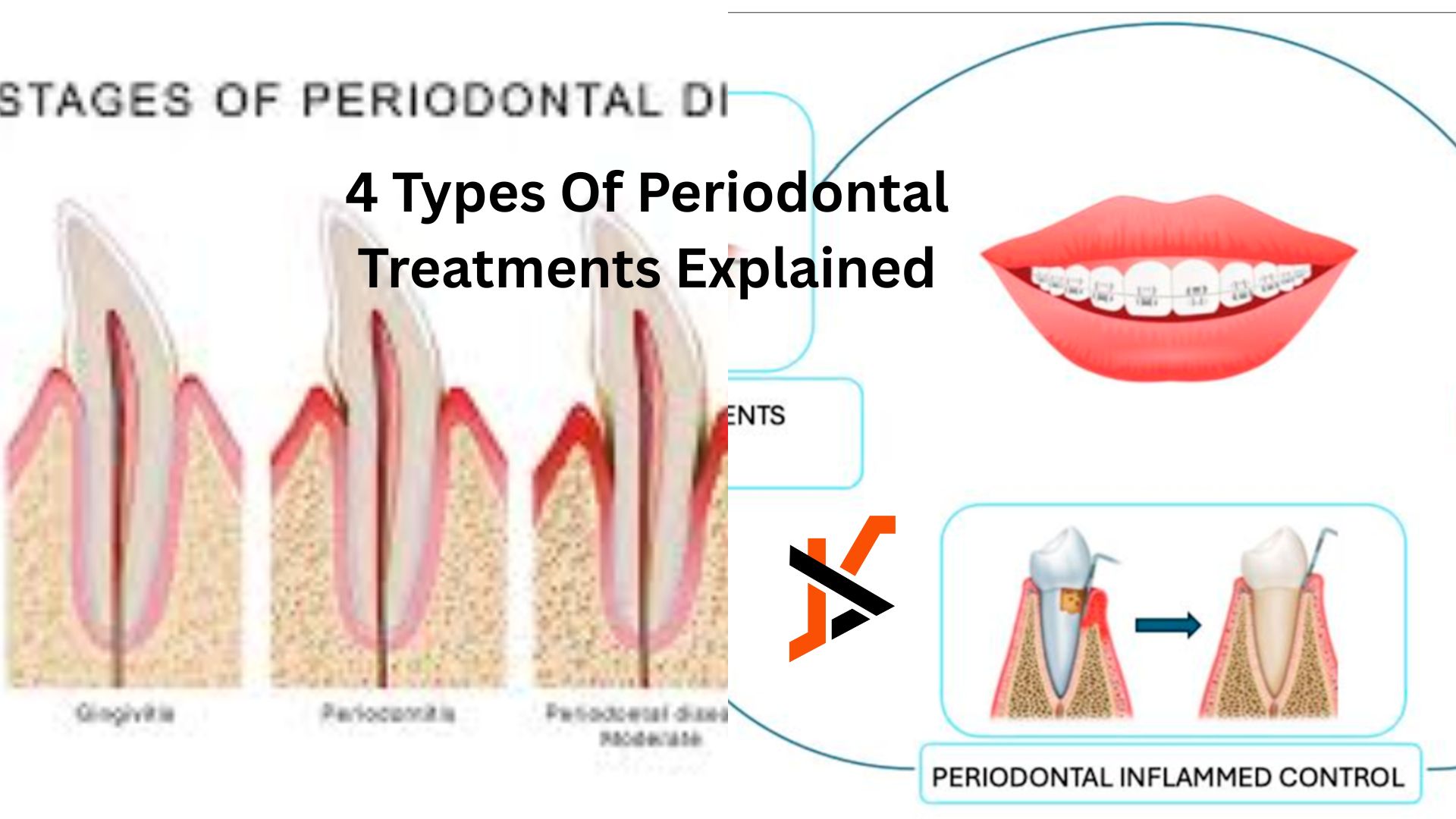
You’re about to learn about four types of periodontal treatments. Understanding these can lead to better oral health and a brighter smile. Periodontal disease affects many. You might experience bleeding gums, bad breath, or loose teeth. It’s scary, but treatments exist. Each treatment has unique benefits. Some aim to clean gums, others work on bone regeneration. You might hear about options like scaling and root planing. Surgical options include flap surgery, which cleans deeper pockets. Gum grafts cover exposed roots. You may also consider dental implants in Norristown, PA, to replace missing teeth. Choosing the right treatment can improve your overall health and confidence. Discuss options with your dentist. Come prepared with questions. This ensures you make informed decisions for your well-being. Stay informed and proactive about your health. Understanding periodontal treatments can boost your quality of life and prevent future issues. Keep reading to learn how these treatments may benefit you.
1. Scaling and Root Planing
Scaling and root planing is a deep-cleaning procedure. It removes plaque and tartar from the gumline. The dentist cleans below the gumline, making the root surfaces smooth. This encourages gum tissue to reattach to the teeth. You might need multiple visits depending on the severity of the disease. Afterward, ongoing oral hygiene is crucial. This treatment is often the first step in combating gum disease. It can also reduce gum bleeding and inflammation.
2. Flap Surgery
If scaling and root planing aren’t enough, flap surgery is an option. During this procedure, the dentist lifts the gums away from the teeth. This allows access to deeper pockets and removes tartar buildup. Once cleaned, the gums are stitched back in place. The surgery reduces pocket size, making it easier to keep areas clean. Recovery involves following specific care instructions from your dentist. This can include diet changes and avoiding certain activities. Flap surgery helps to prevent further damage and stabilizes your oral health.
3. Gum Grafts
Gum grafts cover exposed roots. This treatment is used when you experience gum recession. The dentist takes tissue from the roof of your mouth or uses donor tissue. They then attach it to areas where gums have receded. Covering the roots reduces sensitivity and protects the tooth structure. Proper aftercare includes eating soft foods and maintaining good oral hygiene. Gum grafts also improve your smile’s appearance, boosting your confidence.
4. Dental Implants
Dental implants replace missing teeth. The dentist inserts a titanium post into the jawbone. Once healed, a crown is placed on top. Implants function like natural teeth and help maintain bone structure. They prevent the shifting of surrounding teeth. Dental implants require good oral hygiene and regular dentist visits. They are a long-term solution, restoring function and appearance. Learn more about dental implants by visiting the National Institute of Dental and Craniofacial Research.
Comparison of Periodontal Treatments
| Treatment | Purpose | Benefits |
|---|---|---|
| Scaling and Root Planing | Clean gumline | Reduces inflammation, reattaches gums |
| Flap Surgery | Remove deep tartar | Reduces pocket size, prevents damage |
| Gum Grafts | Cover roots | Reduces sensitivity, protects teeth |
| Dental Implants | Replace teeth | Maintains bone, restores function |
Choosing the Right Treatment
Deciding on a treatment involves consulting with your dentist. They assess your specific needs. Some treatments may not suit everyone, so personal dental history matters. Regular check-ups and cleanings help monitor the progress. Your dentist might recommend a combination of treatments. Staying informed empowers you to make decisions confidently. The right care plan ensures lasting oral health.
For more information on periodontal disease and treatments, visit the Centers for Disease Control and Prevention. Staying proactive with your oral health can prevent future complications. Each treatment offers unique solutions tailored to different needs. Explore your options today to secure a healthier smile tomorrow.
