

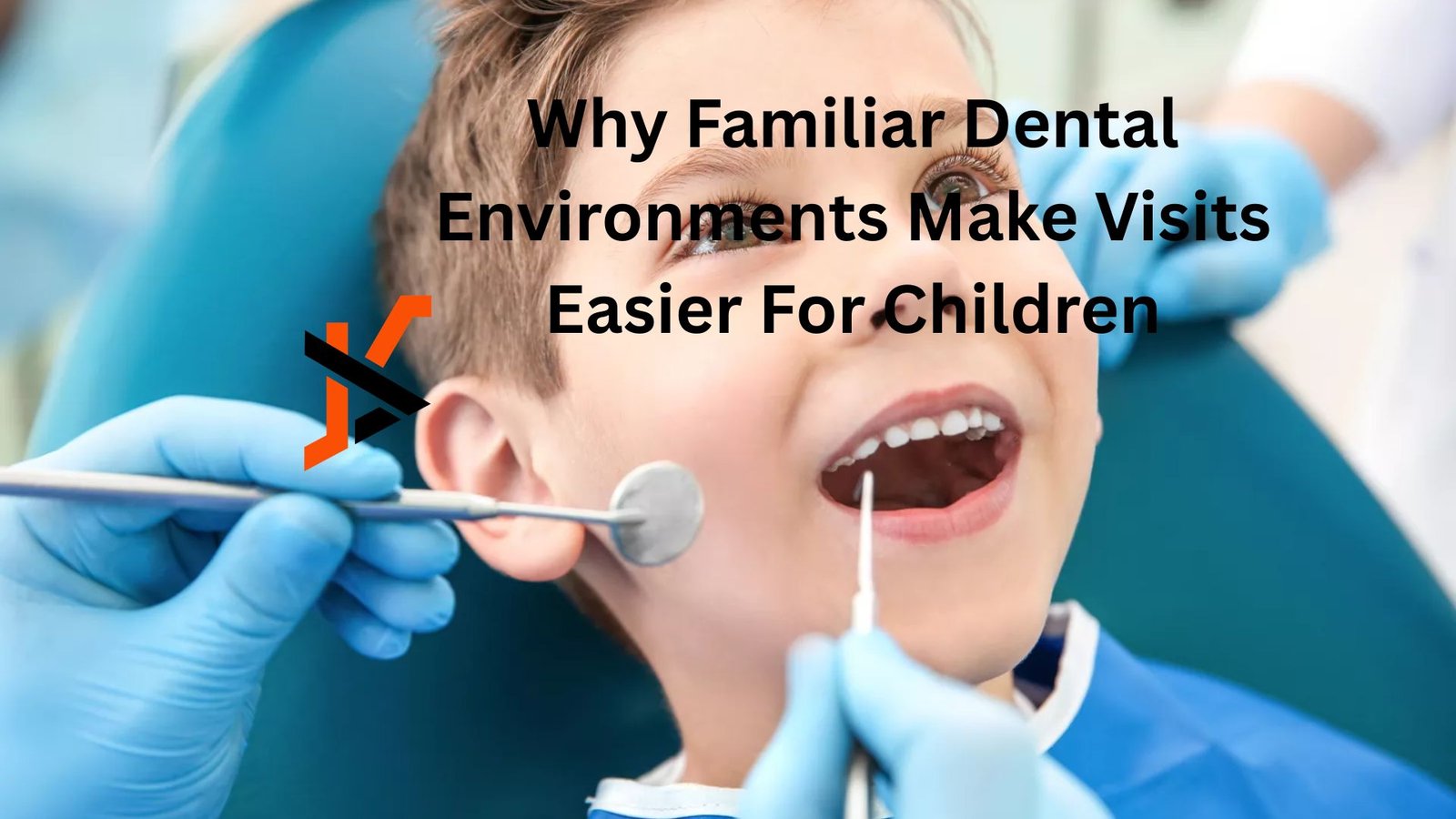
Children read rooms faster than adults. They notice strange smells. They hear every sharp sound. A new dental office can feel cold and unsafe. You can lower that fear by choosing a familiar setting and routine. A familiar dental space tells your child, “You have been safe here before. You will be safe again.” That message matters more than any toy or prize. When you return to the same Santa Rosa dentist, your child learns what to expect. The same waiting room. The same friendly faces. The same simple steps during each visit. This steady pattern calms the body and quiets racing thoughts. It also helps your child trust cleanings and exams. Over time, visits feel shorter and less heavy. Your child walks in with less tension and leaves with more strength.
Why Familiar Settings Reduce Fear
Your child’s brain looks for danger. New places feel risky. Strange lights and tools can trigger a stress response. A familiar office sends a different signal. It says, “You have seen this. You lived through this.” That memory softens fear.
The American Academy of Pediatric Dentistry explains that regular, repeated visits support better behavior during treatment. You can read more about this pattern in their guidance on child behavior.
When your child knows the room, the chair, and the routine, the body does not stay on high alert. Breathing slows. Muscles relax. That calm state makes treatment easier for your child and safer for the care team.
The Power of Predictable Routines
Familiar environments work best when you pair them with a clear pattern. You can turn each visit into the same simple story. You arrive. You sit in the waiting room. You meet the same team. You sit in the same chair. You hear the same short explanation of what will happen.
Use three steady steps at home before each visit.
- Remind your child of what happened last time.
- Describe what will be the same this time.
- State one small thing that may be different.
This rule of three gives your child a mental script. It offers control. Children cope better when they expect what comes next and feel ready for a new small challenge.
What Children Notice Inside the Office
You might focus on the dentist’s training. Your child focuses on the room. Look at the space through your child’s eyes and ears.
- Sights. Bright lights. Shiny tools. Large machines.
- Sounds. Whirring handpieces. Suction. Voices in other rooms.
- Smells. Cleaning products. Fluoride. Gloves.
Each sense can trigger fear during the first visit. The second and third visits feel different. The same sights and sounds turn into familiar signals. Your child learns, “When I hear that sound, nothing bad happens.” That learning only builds in a stable, repeated setting.
How Familiar Offices Support Children With Higher Anxiety
Some children feel stronger fear. They may have past medical trauma. They may live with autism or sensory sensitivity. For them, sameness is not a luxury. It is a need.
Familiar environments help you and the dental team plan support. You can agree on a simple signal your child can use to pause care. You can choose the same flavor of toothpaste every time. You can ask for the same hygienist when possible.
The National Institute of Dental and Craniofacial Research shares tips for easing anxiety and building trust in child dental visits.
Familiar vs New Offices: A Simple Comparison
| Visit Factor | Familiar Dental Office | New Dental Office |
|---|---|---|
| Child’s first reaction | Recognizes room and staff. Fear may drop at the door. | Scans for threats. Fear may spike before check-in. |
| Cooperation during cleaning | Follows known steps. Fewer pauses and fewer tears. | Resists tools. Needs more breaks and more time. |
| Communication with staff | Talks with familiar faces. Shares pain or worries. | Stays quiet. Hides discomfort and fear. |
| Stress for caregivers | Knows routine and staff. Feels steadier and calmer. | Unsure how the child will react. Feels more strain. |
| Long term dental habits | Builds trust. More likely to keep regular visits. | Links care with fear. May avoid future visits. |
How You Can Strengthen Familiarity
You cannot control every part of the office. You can still shape a strong sense of familiarity for your child.
- Use the same dentist for routine care and most follow-up visits.
- Schedule visits at the same time of day so your child’s body clock links that time with the same experience.
- Bring the same comfort object, such as a small toy that stays in a pocket or hand.
- Tell the staff what words and routines worked last time so they repeat them.
Each repeat choice strengthens the message that the dental visit is stable and safe.
When You Might Need a New Office
Sometimes change is needed. You might move. Your child might need a specialist. In those cases, you can still protect your child’s sense of safety.
- Ask the new office if you can visit once for a short tour without treatment.
- Show pictures of the office at home so the space looks familiar on day one.
- Explain that some things will stay the same. There will still be a chair, a light, and a counting of teeth.
You are building a bridge between the old setting and the new one. That bridge can reduce shock and protect your child’s trust in care.
Choosing Familiarity as Part of Oral Health
Regular dental visits protect your child’s mouth and body. Familiar environments protect your child’s courage. Together, they support strong lifelong habits.
When you choose to return to the same office, you are not just picking a place. You are giving your child a safe pattern. That pattern can turn fear into tolerance and tolerance into trust. Over time, your child may see dental visits not as a threat but as a normal part of staying strong and healthy.
