

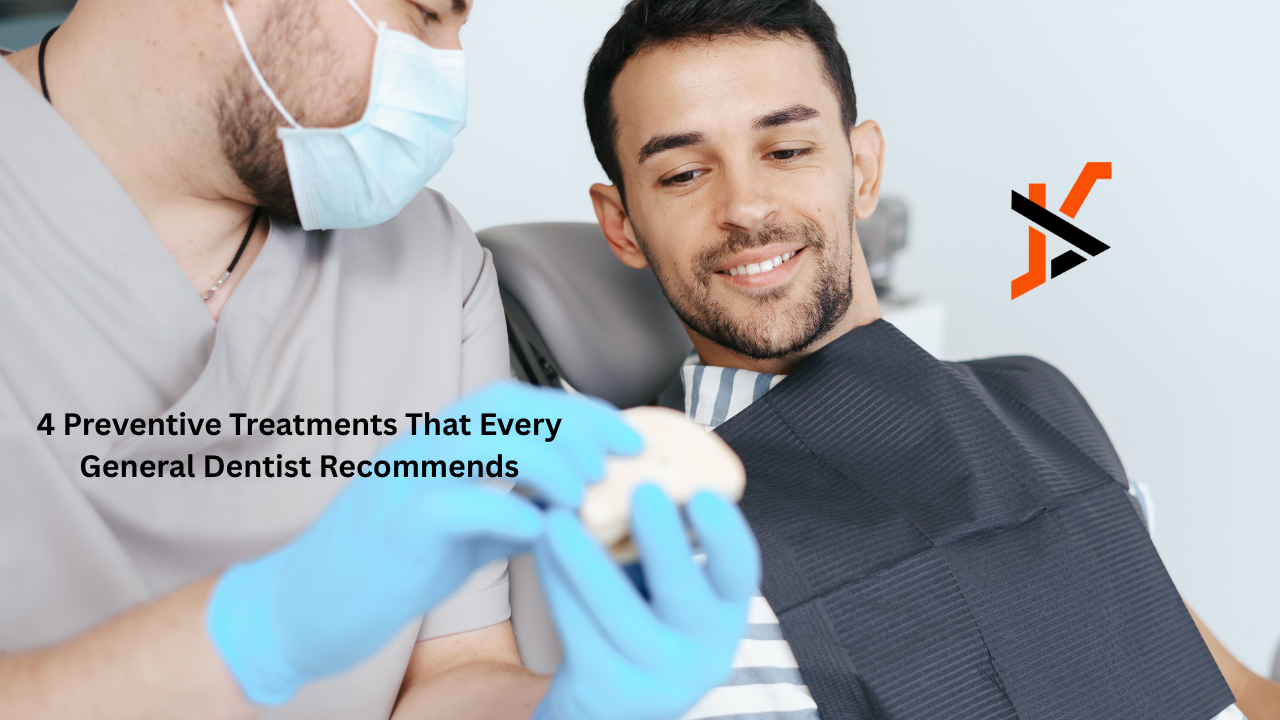
Your teeth reflect more than just your smile—they reveal your daily habits, stress levels, and overall health. Even if everything feels fine, hidden issues can develop quietly and lead to serious problems like infections, tooth loss, or urgent procedures.
That’s where preventive dentistry comes in. Instead of reacting to damage, it focuses on stopping problems before they start. Most general dentists consistently recommend a few key treatments because they are quick, effective, and far less expensive than major procedures like root canals or Scottsdale dental implants.
Below are four preventive treatments that play a critical role in protecting your oral health.
1. Professional Dental Cleanings
Brushing and flossing at home are essential, but they can’t remove hardened plaque (tartar). Once tartar forms, it creates a surface where bacteria thrive—especially near the gumline.
During a professional cleaning, your dental team will:
- Remove plaque and tartar from above and below the gums
- Polish your teeth to reduce buildup in the future
- Check for early signs of decay or gum disease
The American Dental Association recommends routine cleanings and checkups, typically every six months, to prevent minor issues from becoming serious.
Skipping cleanings allows tartar to accumulate, increasing your risk of gum disease, bad breath, and eventually tooth loss or costly treatments.
2. Fluoride Treatments
Fluoride is a naturally occurring mineral that strengthens tooth enamel and helps reverse early stages of decay.
Common application methods include:
- Gel or foam placed in a tray
- A varnish painted directly onto the teeth
The process is quick, painless, and suitable for both children and adults—especially those at higher risk for cavities.
According to the Centers for Disease Control and Prevention (CDC), fluoride is one of the most effective tools for preventing tooth decay.
You may benefit most if you:
- Frequently get cavities
- Wear braces
- Experience dry mouth due to medications or health conditions
Without fluoride support, weakened enamel can deteriorate faster, leading to fillings, crowns, or even tooth removal.
3. Dental Sealants
Molars have deep grooves where food particles and bacteria can easily get trapped. These areas are difficult to clean thoroughly with a toothbrush alone.
Dental sealants act as a protective coating over these grooves. The process involves:
- Cleaning and preparing the tooth surface
- Applying a thin liquid sealant
- Hardening it with a special light
Sealants are commonly used for children as soon as their permanent molars come in, but adults can also benefit if their teeth are prone to decay.
They can last for several years and are easy to repair if needed. Without sealants, molars remain vulnerable to cavities, which are often more complex and expensive to treat.
4. Routine Exams and X-Rays
While cleanings address surface buildup, exams and X-rays allow dentists to detect issues that aren’t visible to the naked eye.
During an exam, your dentist will:
- Check for cavities, cracks, and wear
- Evaluate gum health and look for signs of disease
- Assess your bite and jaw alignment
- Screen for oral cancer
X-rays help uncover:
- Cavities between teeth
- Infections beneath the surface
- Bone loss from gum disease
- Impacted or missing teeth
The frequency of X-rays depends on your individual risk level. Skipping these evaluations can allow hidden problems to progress, often leading to more invasive treatments later.
How These Treatments Work Together
Each of these preventive measures targets a different aspect of oral health. Combined, they offer strong protection against decay and disease.
| Professional cleanings | Remove tartar, protect gums | Everyone | Every 6 months | Gum disease, tooth loss |
| Fluoride treatments | Strengthen enamel | High-risk patients | Every 3–12 months | Increased cavities |
| Dental sealants | Protect molars from decay | Children, teens, some adults | As needed | Higher cavity risk in molars |
| Exams & X-rays | Detect hidden issues early | Everyone | 6–12 months (varies) | Late diagnosis, major treatment |
Making Preventive Care Part of Your Routine
You don’t need a complicated plan—just consistent habits and regular care.
Start with these basics:
- Brush twice daily with fluoride toothpaste
- Clean between your teeth once a day
- Keep up with scheduled dental visits
You can also ask your dentist if fluoride treatments or sealants are right for you or your child.
Small, consistent actions today can prevent pain, tooth loss, and expensive procedures in the future. Preventive dentistry helps you maintain your natural teeth, support clear speech, and enjoy the foods you love. It’s a simple investment that pays off every time you smile.
