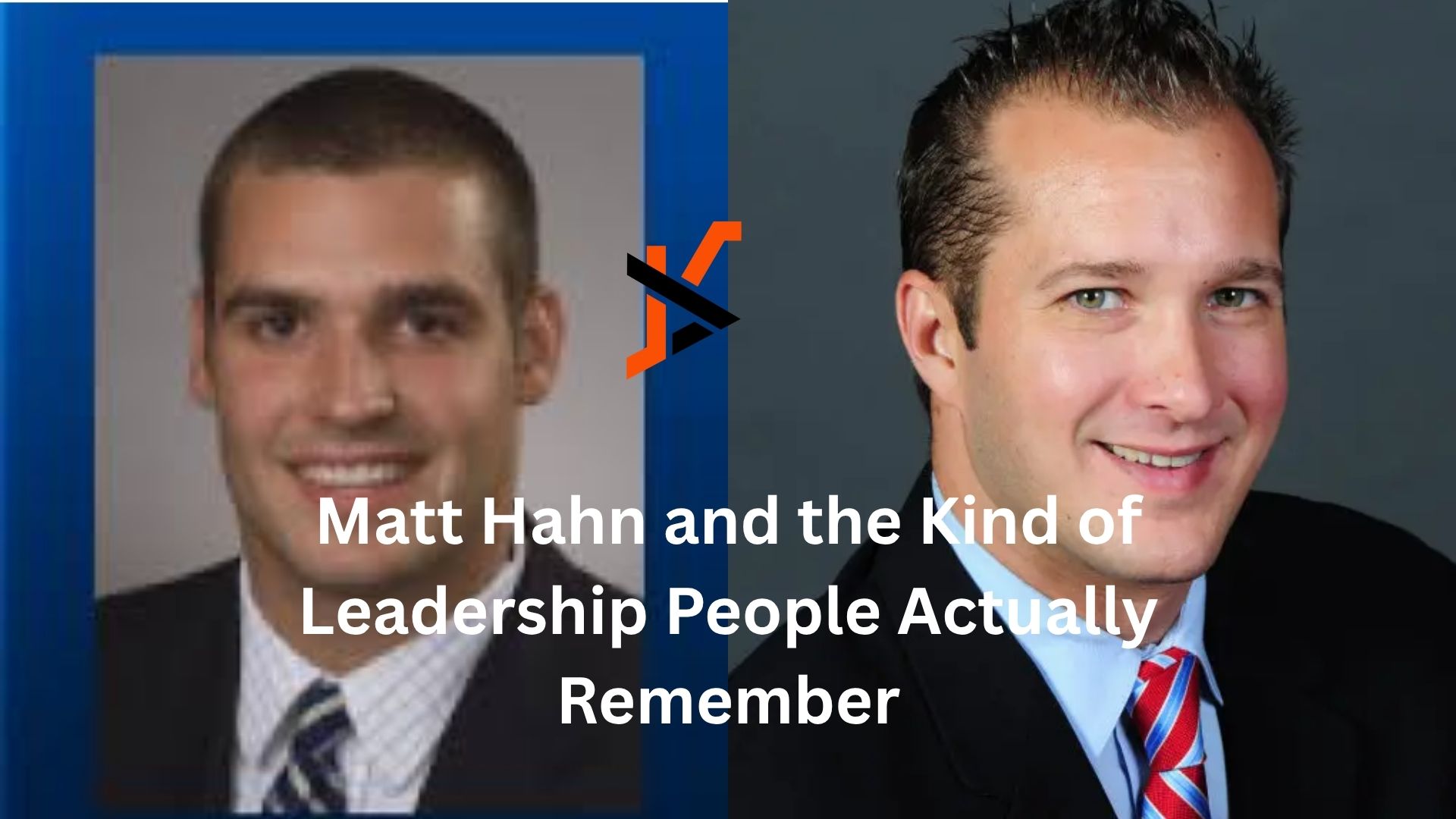
Some leaders make noise. Others build things quietly, keep people steady, and leave a mark without turning themselves into the center of the story. Matt Hahn fits more into that second category.
If you’ve followed the craft beer industry over the last decade or so, you’ve probably heard his name attached to Bell’s Brewery and later New Belgium Brewing. Not in a flashy, celebrity-founder way. More in the “this person clearly knows how to run a company without draining the soul out of it” kind of way.
That matters more than people think.
The beer world, especially craft beer, has always had this strange tension. On one side, there’s creativity, independence, local identity, and personality. On the other, there’s growth, distribution, operations, payroll, supply chains, and all the unglamorous realities that keep a business alive. A lot of breweries nail one side and completely lose the other.
Matt Hahn built a reputation for understanding both.
The craft beer world changed fast
Here’s the thing about craft beer: it stopped being “small” a long time ago.
A neighborhood brewery can still feel intimate when you walk in on a Friday night. Someone’s dog is under the table. A bartender remembers your usual order. The chalkboard menu still looks handwritten. But behind the scenes, many breweries are dealing with the same pressures as larger corporations.
Distribution contracts. Rising ingredient costs. Packaging delays. Labor shortages. Competition from hard seltzers, canned cocktails, and whatever trend shows up next month.
A lot of longtime beer fans don’t really think about that side of it. They just see a six-pack on a shelf.
Matt Hahn came into leadership during a period when the industry was shifting from passionate startup energy into something far more complicated. That transition breaks companies all the time. One bad expansion decision can sink years of goodwill.
And honestly, breweries have made some spectacular mistakes over the years. Overbuilding. Losing quality control. Forgetting what customers liked in the first place. Trying too hard to chase trends.
What made Hahn stand out was his ability to keep operations disciplined without making the brand feel sterile.
That’s harder than it sounds.
Bell’s Brewery already had a loyal following
By the time Matt Hahn became more publicly associated with Bell’s leadership, the brewery already had deep credibility among beer drinkers.
Two Hearted Ale alone had become almost mythical in some circles. People recommended it the way music fans recommend classic albums. If someone said they were “getting into craft beer,” there was a good chance Two Hearted would enter the conversation within minutes.
That kind of loyalty creates pressure.
When customers feel emotionally attached to a brand, they notice every little change. Different packaging? They complain. Recipe tweak? Reddit notices immediately. A new ownership structure? Suddenly everybody’s an industry analyst.
So leadership inside a company like Bell’s isn’t just about selling beer. It’s about protecting trust.
Matt Hahn seemed to understand that instinctively.
You could see it in the way Bell’s continued operating with a fairly grounded identity even while the craft market became crowded and aggressive. The company didn’t suddenly start acting like a tech startup trying to dominate headlines every week. It stayed recognizable.
That consistency matters more than marketing departments like to admit.
People say they want innovation. Usually they want reliability with a little freshness around the edges.
Beer drinkers especially.
Good leadership in brewing rarely looks dramatic
One thing people misunderstand about successful business leadership is this idea that every important executive is constantly making giant, cinematic moves.
Most aren’t.
The best operators often look calm from the outside because they prevent chaos before it becomes visible.
That’s especially true in food and beverage industries. Customers don’t notice when systems work. They notice when shelves are empty or quality slips.
Think about your favorite local brewery for a second. Imagine you show up one weekend and the flagship IPA tastes noticeably different. Maybe the carbonation feels off. Maybe the freshness isn’t there.
You immediately lose confidence.
Now multiply that by regional distribution across multiple states. That’s where operational discipline becomes everything.
Matt Hahn earned respect partly because he came across as someone who understood the practical side of scaling without losing product consistency. Not every brewery managed that balancing act.
Some exploded in popularity and collapsed under their own weight. Others stayed tiny because growth terrified them.
Bell’s navigated a middle path for a long time, and leadership deserves credit for that.
The emotional side of beer is real
Let’s be honest. People don’t just buy craft beer because of flavor.
If taste alone decided everything, the industry would look very different.
People buy stories. Habits. Identity. Memory.
A particular beer reminds someone of college football Saturdays. Another reminds them of a camping trip. Someone else associates a brewery with their first date with their spouse. That emotional connection is part of the product whether executives talk about it or not.
Matt Hahn seemed aware of this softer side of the business. Bell’s never fully detached itself from its community roots, even as it became nationally respected.
That sounds simple. It isn’t.
Growth often creates emotional distance. Customers start saying things like, “They used to feel authentic.” Once that sentence starts floating around online, brands struggle to recover.
The breweries that survive long-term usually understand that culture has to scale alongside production.
The New Belgium chapter added another layer
When Matt Hahn later became associated with New Belgium Brewing leadership, people paid attention because New Belgium carried its own distinct identity and history.
This wasn’t just another beverage company.
New Belgium had built a reputation around employee culture, sustainability, and a more progressive business philosophy long before those ideas became common corporate talking points. The brewery had personality. Strong personality.
Stepping into leadership at a place like that means inheriting expectations from employees, distributors, retailers, and deeply loyal customers all at once.
That’s a complicated seat to occupy.
And the timing mattered too. The craft beer market was already facing pressure from changing consumer habits. Younger drinkers weren’t automatically becoming craft beer obsessives the way previous generations had.
People had more options now.
Hard kombucha. THC beverages in some markets. Premium nonalcoholic products. Ready-to-drink cocktails. Endless niche categories.
The old assumption that craft beer demand would keep climbing forever suddenly looked shaky.
Leaders in that environment can’t rely on momentum anymore. They need adaptability.
There’s something refreshing about low-ego leadership
A lot of modern business culture rewards performance over substance.
Executives build personal brands on social media. They post motivational quotes. They become mini influencers. Sometimes it feels like they spend more time cultivating image than improving the business itself.
Matt Hahn never really projected that energy publicly.
That restraint probably helped him.
In industries built around passionate communities, people can sense when leadership becomes overly self-important. It creates distance. Customers start feeling marketed to instead of respected.
The quieter style tends to age better.
And employees usually notice the difference too.
Anyone who’s worked under unstable leadership knows how exhausting it becomes. One week priorities shift completely. The next week there’s a new strategy deck. Then another restructuring. Eventually nobody trusts the direction anymore.
Steady leadership rarely trends online, but it keeps organizations functional.
That counts for something.
Craft beer isn’t easy anymore
There was a time when opening a brewery almost felt guaranteed to attract attention. Consumers were excited. Retailers wanted local products. New IPA releases created lines around the block.
Now? Completely different environment.
Shelf space is crowded. Tap handles rotate constantly. Consumer loyalty is weaker. Costs are higher. Distribution is tougher.
Even well-run breweries struggle.
That’s why leadership experience matters more now than it did during the explosive growth era. Running a brewery in a booming market is one thing. Navigating contraction and saturation is another.
Matt Hahn’s career reflects that transition almost perfectly. He became known during the period when craft beer shifted from insurgent movement to mature industry.
That requires a different mindset.
Less hype. More endurance.
Beer culture still needs grounded people
One interesting thing about craft beer culture is how quickly it can swing between extremes.
At one point, everyone chased bitterness. Then pastry stouts took over. Then hazy IPAs dominated everything. Suddenly every can looked like abstract artwork from another dimension.
Some experimentation is fun. Some of it gets ridiculous.
The businesses that last usually stay connected to fundamentals while still evolving carefully. They don’t panic every time trends shift.
Matt Hahn’s reputation has generally aligned with that more grounded philosophy.
Not anti-innovation. Just not reckless.
That distinction matters because industries often confuse movement with progress. Constant change isn’t automatically smart. Sometimes consistency is the stronger strategy.
A brewery doesn’t need twenty viral releases a month if customers already trust its core lineup.
Leadership style affects product quality more than people realize
Consumers tend to separate “business” from “product,” but the two are deeply connected.
Leadership decisions influence hiring. Hiring affects brewing consistency. Operational priorities affect freshness. Company culture affects employee retention. Retention affects institutional knowledge.
Eventually all of that ends up in the glass.
When breweries decline, fans usually blame recipes first. But internal instability often starts the slide long before flavors change noticeably.
That’s why steady operational leadership matters so much in food and beverage companies.
Matt Hahn’s career suggests an understanding that culture, process, and product aren’t separate systems. They reinforce each other.
Again, not flashy. Just effective.
Why people in the industry respect him
You don’t last long in craft beer leadership if you only know branding.
Brewers care about quality. Distributors care about logistics. Retailers care about consistency. Employees care about stability. Customers care about authenticity.
Balancing all of those pressures at once takes more than charisma.
Industry respect usually comes from competence over time. Quiet competence especially.
That seems to be where Matt Hahn earned much of his credibility.
Not through constant headlines. Through durability.
And durability in craft beer is increasingly rare.
Final thoughts
Matt Hahn represents a style of leadership that often gets overlooked because it doesn’t create constant spectacle.
But when you look closely at the breweries and organizations connected to his career, a pattern emerges: operational steadiness, respect for brand identity, and an understanding that growth only works when people still trust the product.
That sounds obvious. It isn’t.
A lot of businesses lose themselves chasing scale or trends or attention. The companies people stay loyal to usually have leaders who understand restraint as well as ambition.
The craft beer world may keep evolving. Consumer habits will definitely keep changing. Some breweries will disappear. Others will adapt.
But leadership styles built around consistency, trust, and practical decision-making tend to survive longer than hype cycles do.
Matt Hahn’s career is a good reminder of that.