

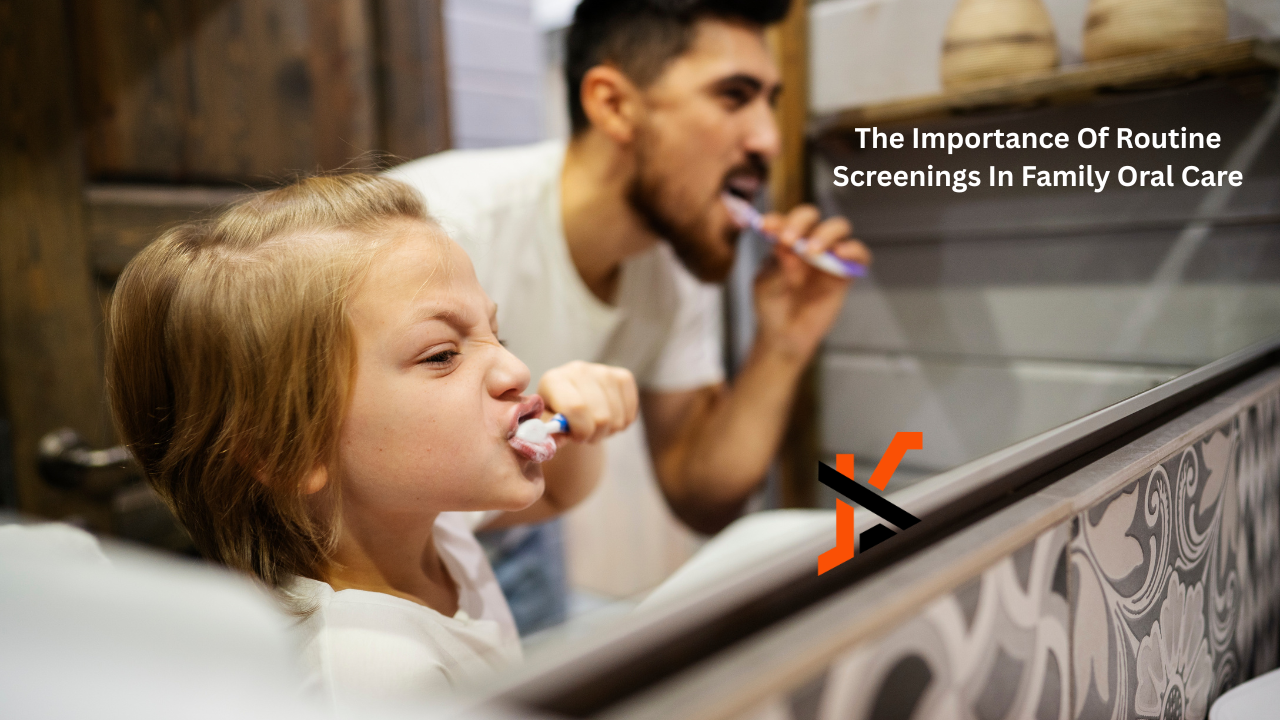
Your mouth affects how you eat, speak, and feel each day. Routine screenings protect that. You might brush and floss. You might feel fine. Trouble can still grow where you cannot see it. Small cavities, gum infection, oral cancer, and worn teeth often start in silence. Regular checkups find these early. That means simpler treatment, less pain, and lower cost. Screenings also protect your children. A dentist can track how their teeth grow, guide good habits, and stop problems before they spread. Regular visits support older adults too. Numerous medications can reduce saliva production, increasing the likelihood of oral health problems. A trusted dentist in La Verne, CA checks for changes, explains what they mean, and builds a plan that fits your family. Routine screenings are not optional care. They are steady guardrails that keep your family’s health, confidence, and daily life from slipping off course.
Why routine screenings matter for every age
Oral disease grows slowly. You often feel nothing until damage is large. Routine screenings give you three strong gains. You catch problems early. You protect your whole body. You teach your children steady habits.
During a screening, the dental team looks for signs you may miss in the mirror. They check your teeth, gums, tongue, cheeks, and jaw. They look for decay, infection, dry mouth, grinding, and signs of oral cancer. They also review changes in your health and medicines. This close look turns small threats into early fixes.
Research from the Centers for Disease Control and Prevention shows that untreated cavities are common in children and adults. These numbers show one clear truth. Waiting costs more teeth, more time, and more money.
How often you need screenings
Most people need a routine screening every six months. Your dentist may suggest more frequent visits if you have any of these three risks. You have diabetes. You smoke or use tobacco. You already have gum disease or many fillings.
Children need screenings on a steady schedule from the time the first tooth appears. These visits watch growth, guide brushing, and help with fears. They also give parents clear steps they can use at home. Older adults need close follow up as well. Many face dry mouth, root decay, or changes in dexterity that make brushing hard.
| Life stage | General guideline | Common reasons for extra visits |
| Young children | Every 6 months | Early cavities, thumb sucking, enamel defects |
| Teens | Every 6 months | Braces, sports injuries, high sugar drinks |
| Adults | Every 6 months | Smoking, pregnancy, diabetes, stress grinding |
| Older adults | Every 3 to 6 months | Dry mouth, root decay, loose teeth, dentures |
What happens during a routine screening
You should know what to expect. That reduces worry and helps you ask clear questions. A routine screening usually includes three steps. A health review. A full mouth check. A cleaning and plan.
- Health review. You share your medical history, current medicines, and recent changes such as pregnancy, weight change, or new diagnoses.
- Full mouth check. The dentist checks each tooth, your gums, tongue, cheeks, and throat. They may use X rays to see between teeth or under old fillings.
- Cleaning and plan. The hygienist removes plaque and tartar. The dentist then explains what they saw, answers questions, and outlines next steps.
Cost of waiting versus cost of screening
Many families delay visits because of cost or fear. That choice often leads to higher costs and harder treatment. A small cavity found during a screening may need a simple filling. The same cavity, left alone, can spread to the nerve and need a root canal or removal.
| Condition | If found early | If found late |
| Tooth decay | Small filling. Short visit. | Root canal or extraction. Crown or bridge. |
| Gum disease | Deep cleaning. Better brushing plan. | Loose teeth. Surgery. Tooth loss. |
| Oral cancer | Small lesion removed. Higher survival chance. | Large surgery. Radiation. Higher health risk. |
Routine screenings are usually far less costly than emergency visits. They also protect school days, work hours, and sleep. Pain from untreated problems can drain patience and focus for both children and adults.
Helping children feel safe with routine visits
Children watch how you react. Your calm presence shapes their view of dental care. You can support them in three simple ways. Use simple words. Practice at home. Reward brave effort.
- Explain the visit as a tooth check and tooth cleaning. Avoid scary words.
- Play pretend dentist at home. Let your child count your teeth with a small mirror.
- If permitted by the dental office, consider bringing a familiar comfort item to help ease anxiety and make the visit more relaxing.
- Praise effort, not perfection.
When children learn that screenings are routine, they grow into adults who protect their own health without fear or delay.
Taking the next step for your family
You do not need a perfect mouth to start. You only need a first visit. Write down your questions. List your medicines. Think about any pain, bleeding, or changes you have noticed. Then schedule screenings for each person in your home.
Routine screenings are quiet acts of protection. They guard your ability to eat, speak, laugh, and work. They keep small problems from turning into deep wounds. They also show your children that their health matters now, not only when something hurts.
Your choices today shape your family’s comfort for years. Choose steady screenings. Choose early answers. Choose a path that protects every smile in your home.
