

Choosing a paint color sounds simple until you’re standing in front of dozens of nearly identical neutral swatches wondering why one beige looks pink, another looks gray, and a third somehow looks green. That’s where Sherwin Williams Alpaca comes into the conversation.
Alpaca has quietly become one of those colors homeowners, designers, and DIY decorators keep returning to. It doesn’t get as much attention as some of the famous greiges, yet it has a softness and versatility that makes it surprisingly easy to live with.
If you’ve been searching for a neutral that feels warm without looking yellow, modern without feeling cold, and cozy without becoming dark, Alpaca deserves a closer look.
What Color Is Sherwin Williams Alpaca?
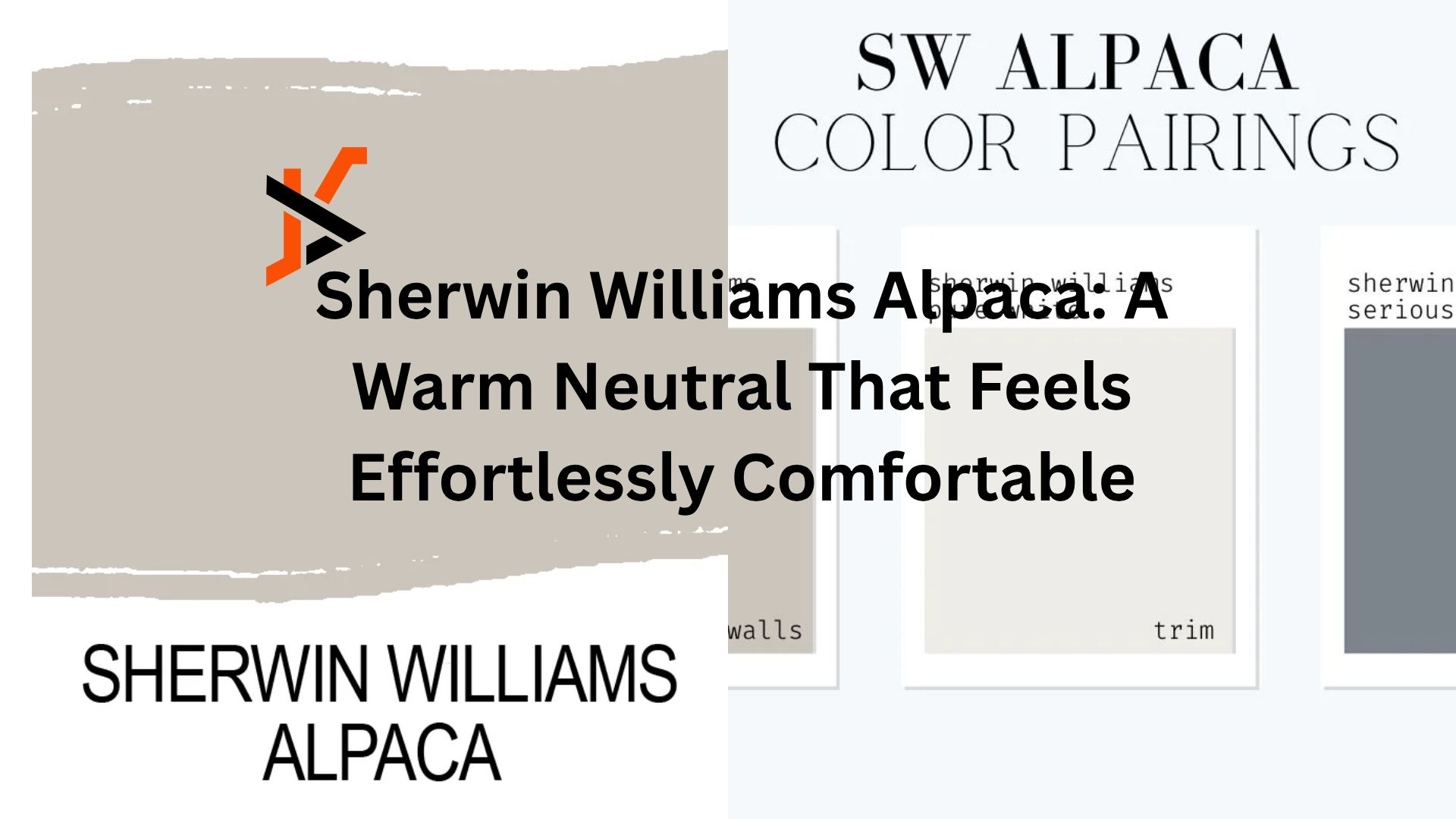
Sherwin Williams Alpaca (SW 7022) is a warm greige paint color that sits comfortably between gray and beige. It leans slightly warm, giving rooms a welcoming feel while still maintaining enough gray to look current and sophisticated.
What makes Alpaca interesting is its balance.
Many warm neutrals can start feeling overly beige once they’re on the wall. Some grays can make a room feel sterile or flat. Alpaca avoids both extremes. It has enough warmth to soften a space but enough gray to keep things grounded.
When people first see it, they often describe it as a “soft taupe-gray” rather than a true gray or beige.
That subtle complexity is part of its appeal.
Why Alpaca Feels Different From Other Neutrals
Here’s the thing about neutrals: most of them reveal their personality after they’re painted on four walls.
A color chip only tells part of the story.
Alpaca tends to create a calm backdrop without drawing attention to itself. Instead of becoming the star of the room, it lets furniture, artwork, wood finishes, and fabrics take center stage.
Imagine walking into a living room with cream upholstery, natural oak flooring, and black metal accents. Some paint colors would compete with those elements. Alpaca simply ties everything together.
That’s one reason designers often use it in homes where multiple styles overlap. It works just as well with traditional furniture as it does with modern pieces.
Understanding Alpaca’s Undertones
Every neutral paint color has undertones, and ignoring them is usually where decorating mistakes happen.
Alpaca carries subtle violet and taupe undertones beneath its gray-beige foundation.
That sounds more dramatic than it actually looks.
In most settings, those undertones stay fairly restrained. However, lighting can bring them forward. In rooms with cooler northern exposure, Alpaca may appear slightly grayer. In warmer southern light, the beige side tends to become more noticeable.
Occasionally, homeowners notice a faint purple cast during certain times of day. It’s typically soft and sophisticated rather than obvious, but it’s worth testing before committing to an entire house.
Paint samples exist for a reason.
A color that looks perfect online can behave completely differently in your home.
How Lighting Changes Sherwin Williams Alpaca
Light affects Alpaca more than many people expect.
Morning light often reveals its softer gray qualities. By afternoon, especially in sunny rooms, the warmth becomes more apparent. Evening lighting can add an extra layer of coziness.
A west-facing family room might make Alpaca feel richer and warmer than the exact same color in a north-facing office.
I’ve seen homeowners fall in love with Alpaca in one room and then be surprised by how different it feels somewhere else. That’s not a flaw. It’s simply the nature of nuanced neutral colors.
The good news is that Alpaca generally stays balanced. It rarely shifts into anything extreme.
Where Alpaca Works Best
One of Alpaca’s biggest strengths is flexibility.
It works in almost every room of the house.
Living Rooms
Living rooms are arguably where Alpaca shines the most.
The color creates a comfortable backdrop for everyday life. Whether you’re watching a movie, entertaining friends, or just relaxing with coffee on a Sunday morning, the space feels warm without becoming heavy.
It pairs beautifully with white trim, textured rugs, and natural wood furniture.
Bedrooms
Bedrooms benefit from Alpaca’s calming personality.
Some neutral colors feel cold at night. Others feel overly beige and dated. Alpaca lands in the middle, creating a restful environment that feels current and inviting.
Layer in white bedding, soft throws, and warm lighting, and the room instantly feels more comfortable.
Home Offices
A home office painted in Alpaca feels focused without feeling clinical.
That’s an important distinction.
Bright white offices can sometimes feel harsh after several hours of work. Dark colors can feel heavy. Alpaca provides visual softness while maintaining a professional appearance.
Hallways and Open Floor Plans
Open layouts often need a neutral color that can connect multiple spaces.
Alpaca does this particularly well.
Because it contains both gray and beige influences, it transitions smoothly between rooms that feature different furniture styles and finishes.
Colors That Pair Well With Alpaca
One reason Alpaca remains popular is its ability to coordinate with a wide range of colors.
Crisp white trim creates a clean, timeless contrast.
Warm wood tones highlight its cozy side.
Charcoal accents bring out its gray undertones.
Soft blues and muted greens also work exceptionally well.
For example, a room with Alpaca walls, white trim, natural oak furniture, and sage green accents feels relaxed and welcoming without trying too hard.
Black fixtures and hardware can also look striking against Alpaca’s softer background.
The contrast feels modern but not overly dramatic.
How Alpaca Compares to Other Popular Sherwin Williams Colors
People often compare Alpaca to several other well-known Sherwin Williams neutrals.
Alpaca vs. Agreeable Gray
Agreeable Gray is typically lighter and slightly more neutral overall.
Alpaca feels a bit richer and deeper. It often appears warmer and more grounded, especially in spaces with plenty of natural light.
If Agreeable Gray feels too bright or washed out for your taste, Alpaca may offer the extra depth you’re looking for.
Alpaca vs. Repose Gray
Repose Gray generally reads cooler.
Alpaca introduces more warmth and softness, making it feel cozier in many residential spaces.
Homeowners who want a welcoming atmosphere often prefer Alpaca over cooler gray alternatives.
Alpaca vs. Accessible Beige
Accessible Beige leans more clearly toward beige.
Alpaca stays closer to the center between gray and beige.
As a result, Alpaca usually feels a little more contemporary while still maintaining warmth.
Is Alpaca Too Dark?
This question comes up frequently.
The short answer is no.
Alpaca falls into a comfortable middle range. It’s not a light, airy off-white, but it isn’t dark enough to make rooms feel closed in either.
In smaller spaces, it adds depth without becoming overwhelming.
In larger rooms, it provides enough color presence to avoid looking bland.
That balance is one of the reasons it continues to attract attention from homeowners who want more personality than basic white walls but don’t want to commit to a bold color.
When Alpaca Might Not Be the Right Choice
No paint color works everywhere.
If your goal is a very bright, crisp, almost-white interior, Alpaca may feel too deep.
Likewise, if you strongly dislike any possibility of subtle violet undertones, you may want to explore other options first.
Homes with extremely cool lighting can sometimes pull more of Alpaca’s gray characteristics forward than expected.
That’s why sampling remains essential.
Paint a large sample board. Move it around the room. Look at it during morning, afternoon, and evening hours.
A few days of testing can save a lot of frustration later.
The Lasting Appeal of Sherwin Williams Alpaca
Paint trends come and go. Some colors explode in popularity for a few years and then suddenly look dated.
Alpaca has managed to avoid that cycle.
Part of the reason is that it doesn’t chase trends. Instead, it occupies a comfortable middle ground that feels timeless. It’s warm but not overly beige. Modern but not stark. Sophisticated without feeling formal.
Those qualities give it staying power.
For homeowners who want a neutral backdrop that feels relaxed, adaptable, and easy to live with, Sherwin Williams Alpaca remains one of the strongest options in the brand’s lineup. It won’t dominate a room or demand attention. What it does is create a comfortable foundation that supports everything around it, and sometimes that’s exactly what a great paint color should do.
