

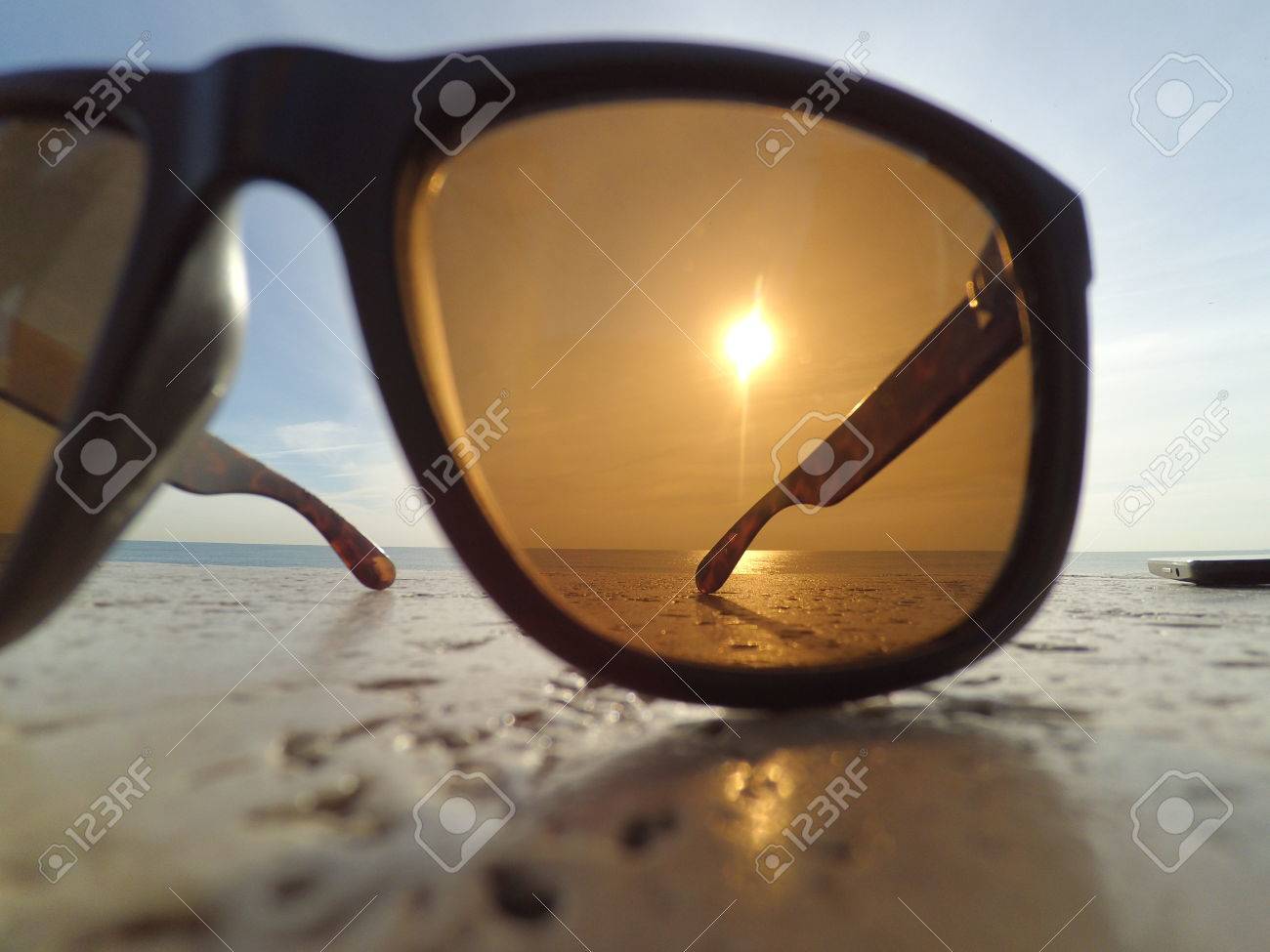
Most people choose sunglasses the way they choose an umbrella: grab whatever is nearby and assume the job is done. The lenses look dark, the world dims, and the squinting stops for a moment. That feeling of relief is convincing, which is exactly why it misleads so many shoppers. Depth of tint is a comfort signal, not a protection measurement, and the two often move in opposite directions. A deeply tinted lens with no filtering technology can leave your pupils relaxed and wide open while ultraviolet light streams through unchecked. A lighter lens with proper filtering may feel less dramatic yet do considerably more for your long-term eye health. Somewhere between marketing shorthand and everyday habit, a small set of mistakes has become normal, and those mistakes quietly cost people clarity, comfort, and sometimes years of healthy vision. What follows is a walk through the misconceptions worth abandoning, the situations where reflected light does the most harm, and the practical checks that separate eyewear that genuinely works from eyewear that only looks the part.
The Comfort Trap Behind a Deeper Tint
The first mistake is treating darkness as evidence. Tint controls how much visible light reaches your eye, which is why a dark lens feels soothing on a bright afternoon. Ultraviolet radiation, however, sits outside the visible range entirely. A lens can be nearly opaque to your eye and still transmit a significant share of UVA and UVB, because blocking those wavelengths depends on the lens material and its coatings rather than its color.
This gap matters more than it sounds. In dim conditions your pupils widen to gather light. Slip on a heavily tinted lens with no real UV filtering and you create artificial dusk, your pupils dilate in response, and more unfiltered radiation reaches the retina than if you had worn nothing at all. The lens has not protected you; it has removed the natural warning system that makes you squint and look away.
The second mistake follows from the first. Shoppers often assume that any pair sold as sun protection handles reflected light too. Tint reduces overall brightness uniformly, but glare behaves differently, and a lens that only dims the scene leaves that problem untouched.
What Reflected Light Really Does Behind the Scenes
Sunlight arriving directly from above scatters in every direction. When it strikes a flat surface such as water, wet asphalt, snow, a car hood, or a glass facade, much of it bounces off organized into a single orientation. That organized light is glare, and it arrives as a bright veil laid over whatever you were trying to look at. Contrast collapses, edges soften, and colors wash out.
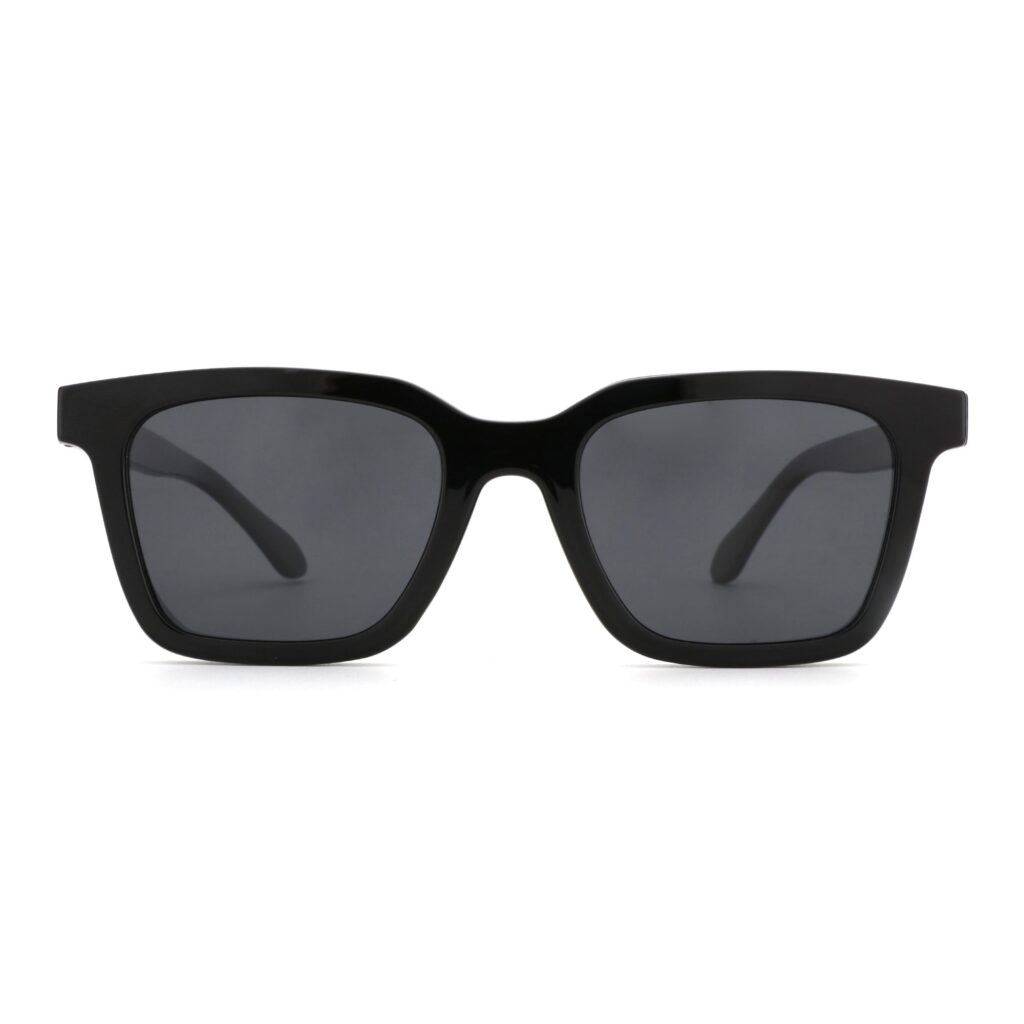
Your eyes respond by working harder. The muscles around them tighten, you squint to narrow the aperture, and the focusing system keeps hunting for detail that the veil has erased. Half an hour of this feels like nothing. Four hours of it produces the dull ache behind the brow, the tight forehead, and the strange fatigue that people usually blame on sun exposure or dehydration. Filtering lenses address this directly by absorbing light oriented along the reflected axis while letting the rest through, which is why Polarized Sunglasses feel less like dimming a room and more like lifting a sheet off the view.
The difference is easiest to notice at a lake or on a long drive. Detail that seemed absent simply reappears, and the effort you did not realize you were spending disappears with it. Stand at the edge of calm water wearing an ordinary tinted lens and you see a bright silver sheet. Swap to a filtering lens and the sheet thins out until the bottom becomes visible, along with weeds, stones, and shifts in depth that were there the whole time. Nothing about the scene changed. The veil sitting between you and it was simply removed, and your eyes stopped straining against a problem they could never solve on their own.
Where Filtering Earns Its Keep, and Where It Does Not
Being honest about limits is part of avoiding mistakes. Filtering lenses do their best work wherever horizontal surfaces throw light back at you. Driving is the clearest case, since windshields, road surfaces, and other vehicles all contribute. Water sports, fishing, cycling on open roads, beach days, and winter walks over snow benefit for the same reason.
There are situations where the technology works against you. Certain LCD dashboards, aircraft instrument panels, and payment terminals rely on oriented light to form their images, so a filtering lens can dim or blank them depending on the angle of your head. Pilots and heavy equipment operators often skip these lenses for that reason. Skiers reading subtle texture on an icy slope sometimes prefer to keep the reflections, because those very reflections reveal where the surface changes.
The mistake here is not choosing the wrong lens; it is expecting one lens to serve every environment. Anyone who spends long stretches outdoors usually ends up with a small rotation rather than a single pair. Brands with broad outdoor ranges, ZENOTTIC among them, tend to organize their lines around this reality rather than pretending one option covers everything.
Coverage and Fit: The Half Almost Nobody Checks
A well-engineered lens still fails if light walks around it. Light entering from above the brow, below the frame, or through the gap at the temple reaches your eye without passing through any filter at all. Narrow frames with generous gaps look refined and protect a surprisingly small portion of the field they appear to cover.
Frame geometry deserves attention for this reason. Lenses that wrap slightly toward the temples close the side gap. A frame that sits reasonably close to the brow reduces light spilling in from above. Coverage that extends below the lower orbit matters near water and snow, where a large share of the load arrives from underneath as upward reflection.
Fit also determines whether you actually wear the pair. A frame that slides down your nose during a run, pinches behind the ears after an hour, or leaves marks on your temples ends up pushed onto your head, which offers no protection whatsoever. The most capable lenses in the world do nothing from your hairline. Comfort is not a luxury feature here; it is the mechanism that keeps protection in place.
Handling Habits That Quietly Ruin Good Lenses
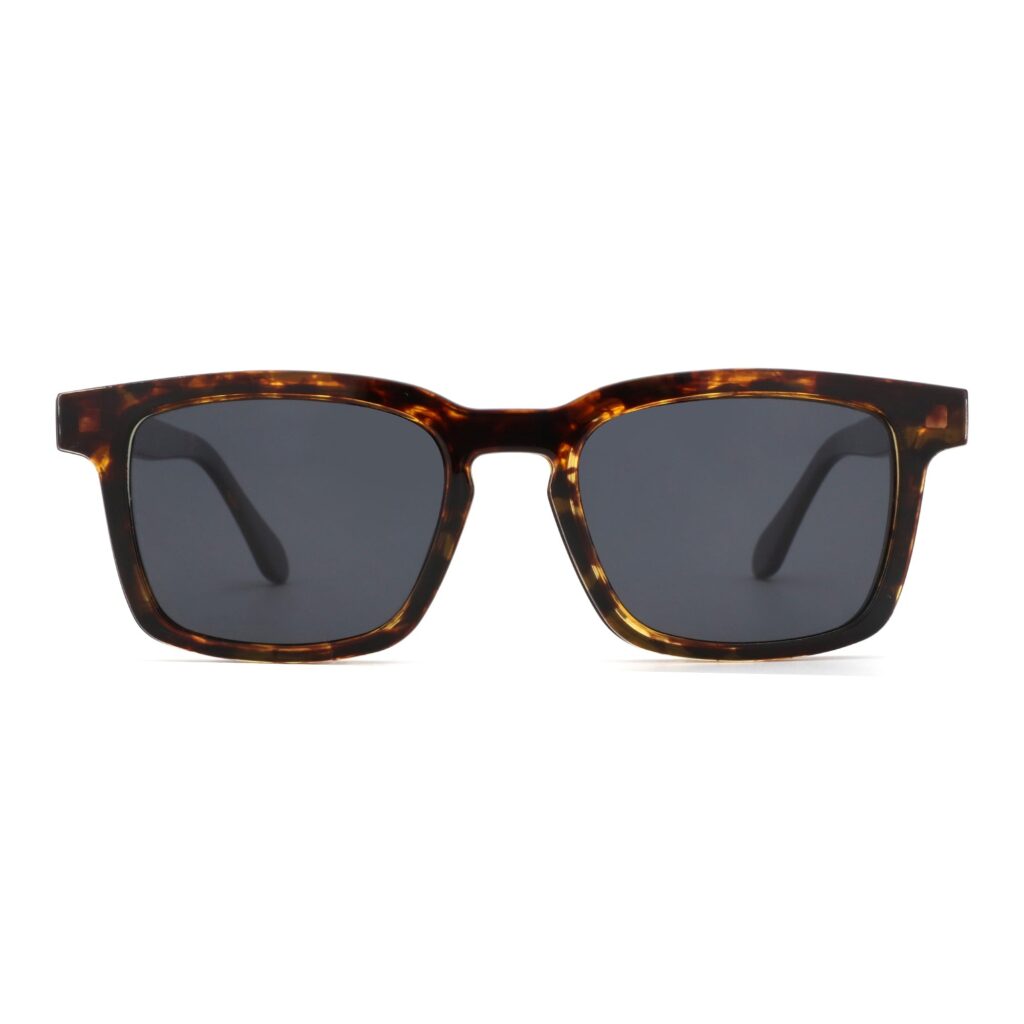
Filtering performance depends on a thin, precisely aligned layer, and everyday carelessness degrades it faster than most people expect. Wiping dusty lenses with a shirt hem drags grit across the surface in fine arcs. Those scratches scatter light on their own, so the lens that was supposed to reduce glare begins generating a soft haze of its own. Once that starts, no cleaning fixes it.
Heat is the other common culprit. A dashboard on a hot day reaches temperatures that stress coatings and warp frames, and a warped frame changes how the lens sits relative to your eye. Household glass cleaners and alcohol wipes attack coatings chemically, stripping the treatment while leaving the lens looking clear and behaving poorly.
The remedy is unglamorous and takes seconds. Rinse dust off with cool water before touching the surface, dry with a clean microfiber cloth, use only cleaners made for optical coatings, and store the pair in a case rather than face-down on a table or loose in a bag. Treated this way a lens holds its performance for years instead of quietly declining over one summer.
A Short Routine That Catches Most Problems
Before committing to a pair, a few deliberate checks reveal more than any label. Look for an explicit statement of full ultraviolet blocking rather than an assumption based on how dark the lens appears. To confirm filtering, hold the lens in front of a screen showing a bright white field and rotate it slowly; genuine filtering produces visible darkening at certain angles. Then wear the frame for several minutes and pay attention to pressure points, slippage, and how much light you can see arriving around the edges.
- Confirm complete UV blocking in writing, not by tint depth
- Rotate the lens against a bright screen to verify filtering
- Check for light gaps above, below, and beside the frame
- Wear the pair long enough to feel where it presses
Four checks, a couple of minutes, and most of the common mistakes never make it home with you.
Choosing Eyewear on Evidence Rather Than Instinct
The instinct that a darker lens must be a safer lens is understandable, and it is wrong often enough to matter. Protection comes from what the material blocks, how well the frame closes off stray light, and whether the pair is comfortable enough that you keep it on your face. Comfort and coverage turn out to be inseparable from performance, not separate from it. Once you know that reflected light is a distinct problem with a distinct solution, choosing becomes straightforward: verify the ultraviolet claim, test the filtering yourself, look for gaps around the frame, and pick geometry suited to where you actually spend your time. Then treat the lenses with a little care so they still work next season. None of this requires expertise or extra spending. It requires replacing a habit of assumption with a few seconds of checking, which is a small trade for eyes that stay clear and comfortable through decades of bright afternoons.
