

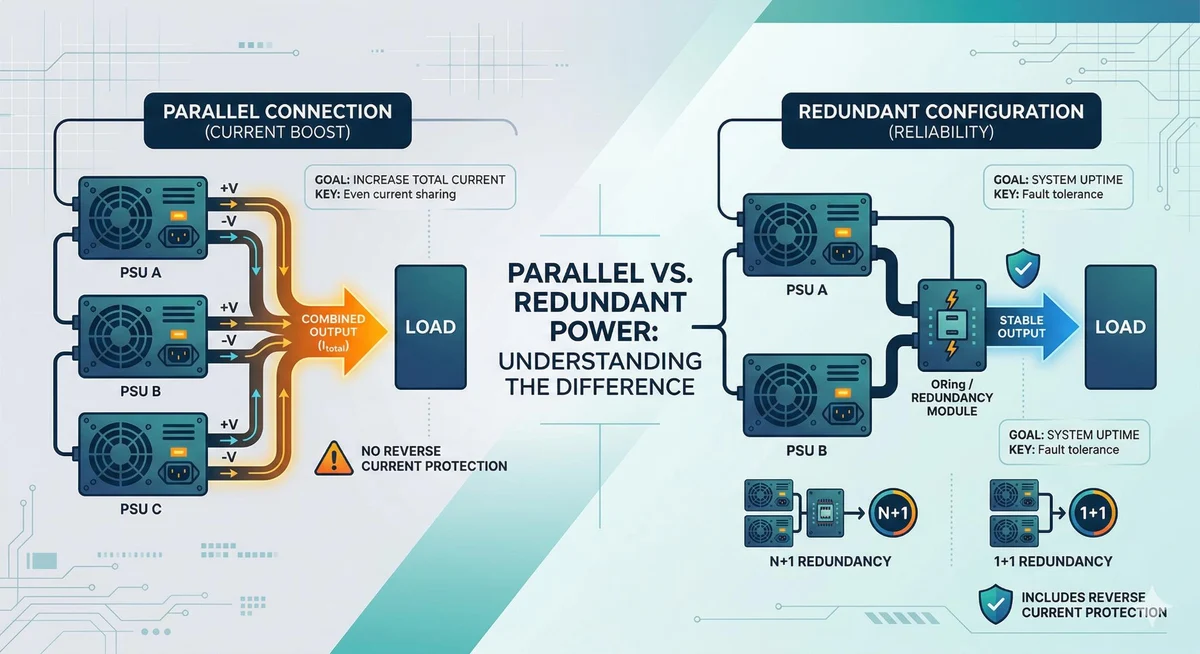
In the C&I energy storage sector, a stable and reliable power supply is the lifeline of business operations. Faced with complex electricity consumption scenarios, such as high load volatility and varying capacity requirements across different zones, single energy storage devices are often inadequate.
System designs based on parallel architecture are becoming the technical cornerstone for building resilient, high-yield energy solutions due to their exceptional flexibility, scalability, and reliability.
This article will analyze how the parallel architecture of HyperStrong’s HyperCube C&I II liquid-cooled outdoor cabinet comprehensively enhances system performance, from technical implementation to commercial value.
The Strategic Necessity of Parallel Architecture
The electricity consumption characteristics of C&I users place unique and demanding requirements on energy storage systems:
- Significant Volatility and Peak-Valley Differences: Production activities cause sharp rises and falls in load curves, requiring energy storage systems to have rapid and precise power response capabilities.
- Continuous Load Growth and Expansion Needs: Business capacity expansion requires energy storage systems to seamlessly and smoothly increase capacity, avoiding production interruptions or repeated investments due to upgrades.
- Complex Scenarios and Customization Needs: Different production lines or areas within a park have varied requirements for power quality and capacity, necessitating systems with refined management and distribution capabilities.
- Single-Unit Power Limitations: Constrained by technology, heat dissipation, and safety, the power output of a single energy storage cabinet has an upper limit, making it insufficient for large-scale load demands.
Traditional centralized or standalone energy storage solutions struggle to address all these challenges simultaneously.
Building Multi-Dimensional Reliability through Parallel Architecture
The modular parallel architecture creates a flexibly configured ‘storage array’ by integrating multiple standardized units, providing an optimal solution to these challenges. Perfectly aligned with this trend, the HyperCube C&I II supports ‘plug-and-play, side-by-side installation with up to 20 units in parallel,’ offering the ideal physical foundation for complex commercial and industrial scenarios.
1. Enabling True N+X Redundancy
‘N’ stands for the minimum number of units required for the base load, while ‘X’ denotes the redundant units. With support for the parallel operation of up to 20 units, HyperCube C&I II offers highly scalable redundancy.
Should any single unit go offline due to failure or maintenance, the redundant units seamlessly and immediately take over. This guarantees that the total output power and capacity remain unaffected, delivering high system availability to protect mission-critical production loads.
2. Supporting Online Maintenance and Smooth Expansion
The “Plug-and-Play” philosophy, combined with a parallel architecture, redefines the operation, maintenance, and expansion of energy storage systems. Enterprises can maintain, repair, or replace any individual unit without triggering system downtime, effectively enabling true “hot-swapping” capabilities.
Furthermore, as energy demands evolve, the existing system requires no shutdown or replacement; integrating new standard units into the parallel array allows for smooth, linear capacity scaling. This approach safeguards the initial investment while bolstering long-term power supply reliability.
3. Enhancing Overall System Resilience
- Distributed Collaboration for Harmonic Suppression: Multiple parallel-operated Power Conversion Systems (PCS) can collaboratively perform active filtering, more effectively suppressing grid harmonics than a single unit and improving the power environment for sensitive equipment within the facility.
- Enhanced Fault Ride-Through and Adaptability: Featuring a wide operating temperature range (-25°C to 55°C) and an IP54/55 rating, the HyperCube C&I II is built to withstand harsh environments. Within a parallel configuration, the system can dynamically compensate for reduced power loss should an individual unit experience derating, significantly boosting overall environmental adaptability and fault ride-through capability.
- Multi-Layer Safety Defenses: Its comprehensive fire protection system (temperature, smoke, combustible gas detection + cabin-level aerosol + water-based fire suppression) provides independent protection for each unit.
How HyperCube C&I II Maximizes Commercial Value
Beyond securing operational continuity, the flexibility and controllability inherent in the parallel architecture translate directly into substantial economic benefits.
1. Maximizing “Peak Shaving and Valley Filling” Arbitrage Revenue
With a maximum system efficiency of 91% and a wide-range power factor adjustment, the HyperCube C&I II minimizes energy loss and robust grid interaction.
Utilizing AI-driven optimization strategies, it precisely dispatches the total power across all parallel units based on real-time electricity prices. This facilitates efficient charging during off-peak periods and full-power discharging during peak hours, maximizing arbitrage returns for the enterprise.
2. Optimizing Self-Consumption in PV + Storage System
For C&I owners with PV installations, energy storage is critical for smoothing output fluctuations. The parallel architecture allows the system to dynamically track the PV production profile with exceptional granularity, capturing surplus green energy for use during nighttime or low-light periods. This significantly raises the self-consumption ratio and minimizes reliance on grid-purchased electricity.
3. Unlocking Electricity Market Opportunities
- Demand Response (DR): The parallel system provides rapid, precise, and large-scale regulation, perfectly aligning with grid demand response signals to secure incentive subsidies.
- Ancillary Services: Its rapid-response characteristics enable participation in frequency regulation and other ancillary services. Multi-unit parallel operation ensures high capacity reliability, enhancing bidding competitiveness.
- Demand Charge Management: By precisely controlling total discharge power, the system effectively “shaves” peak demand, directly reducing the demand charge on the enterprise’s monthly utility bill.
Conclusion
In summary, parallel architecture has evolved from a technical preference into the strategic foundation of modern C&I energy storage. The HyperCube C&I II embodies this shift, integrating standardization and intelligence into a modular framework. By supporting the seamless parallel connection of up to 20 units, it provides enterprises with a highly elastic energy backbone that can be tailored to any scale.
