

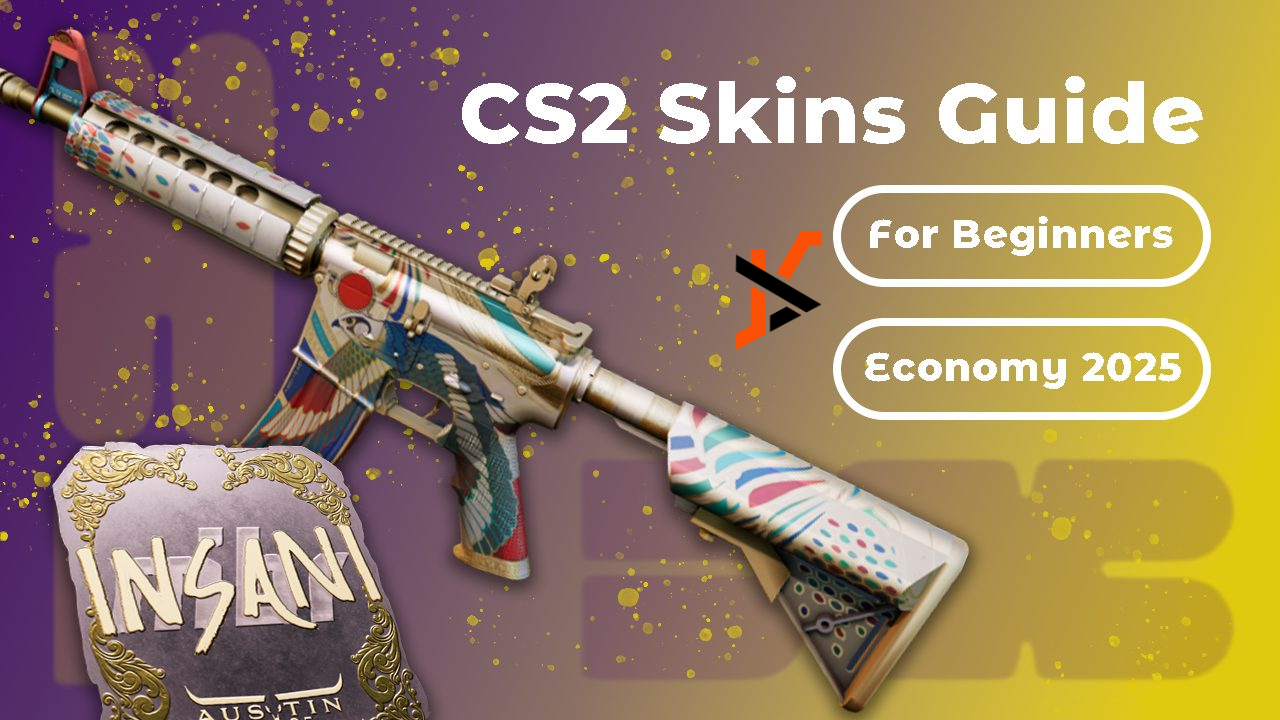
Counter-Strike has always stood apart in the world of competitive gaming. With the launch of CS2, the series has not only kept its place at the top of eSports but has also cemented itself as the backbone of one of the most active digital economies in gaming. At the heart of this economy are skins – cosmetic weapon finishes that carry no in-game advantage but have real-world value.
The rise of CS2 skin marketplaces has changed how fans interact with the game, how players earn money, and how organizations finance their teams. To understand the full scope, it’s important to see how these marketplaces go beyond simple trading and actively shape the eSports economy.
Skins as Digital Assets with Real Value
Skins may appear cosmetic, but in practice, they are digital assets with a functioning secondary market. Rare knives, unique pattern IDs, and limited-edition souvenirs can sell for hundreds or even thousands of dollars. A “Factory New” AWP Dragon Lore, for example, has fetched prices rivaling high-end collectibles.
This ability to convert virtual items into cash transforms skins into more than just game cosmetics – they become investments. Traders analyze float values, patterns, and market demand in ways similar to stock traders analyzing assets. This trader activity generates constant liquidity, ensuring that the skin economy stays active year-round, not just during tournament seasons.
Professional Players and the Skin Economy
For professional players, skins are more than vanity. High-value inventories act as status symbols, building personal brands. When fans see a star player consistently using a rare knife or a skin with unique stickers, that item’s reputation often grows, and its market price can increase.
Some pros even use skins as long-term investments, holding limited or discontinued items until prices rise. In effect, pro players aren’t just competitors on stage; they are influencers who can move the skin market. This crossover of performance and asset ownership means that CS2 players impact both the competitive and financial sides of the game.
Marketplaces as Sponsors and Partners
Skin marketplaces such as Skinport, DMarket, and Bitskins have become significant backers of the eSports scene. Sponsorship deals with teams, partnerships with streamers, and giveaways tied to major tournaments are now common.
This support provides financial stability for teams. A mid-tier organization that struggles to secure deals with hardware brands or traditional advertisers may turn to skin marketplaces for partnership opportunities. These collaborations fund player salaries, bootcamps, and tournament travel, keeping the ecosystem alive and competitive.
Fan Engagement Through Skins
One of the biggest contributions of skins to the eSports economy is how they engage fans. Tournament drops, souvenir skins, and event-exclusive stickers give viewers tangible rewards for watching live matches.
For example, during a CS:GO Major, millions of viewers tuned in not just for the gameplay but for a chance to receive souvenir packages. Owning a skin from a final match signed by a top player is like holding a piece of history. This connection builds stronger fan loyalty while creating secondary market demand.
When fans trade, sell, or showcase these items, they continue to advertise the tournaments and players involved. In this way, skins extend the life of eSports events long after the final round is played.
The Crossover Between Gaming and Finance
Perhaps the most unique part of the CS2 skin economy is how easily it crosses into real-world finance. Unlike cosmetic items in most games, CS2 skins can often be converted into cash through third-party marketplaces.
Payment options such as PayPal, bank transfers, and cryptocurrency mean that skins act almost like liquid digital assets. Some traders treat their inventories as investment portfolios, carefully diversifying across different skin types and rarities. Others use fast withdrawals to treat trading like day-to-day income.
This financial crossover makes CS2 stand out. While many eSports rely on sponsorships, advertising, and ticket sales, CS2 has an additional economy that generates money independently through skin trading. This puts more capital into circulation, benefiting players, teams, and the ecosystem as a whole.
Risks, Regulation, and Market Stability
With value comes risk. Scams, phishing attempts, and fake trade links are constant threats to traders. Marketplaces must invest in security – escrow systems, Steam Guard integration, and verification tools – to protect users.
At the same time, governments are beginning to take notice. In some countries, skins are classified in ways that overlap with gambling or financial assets. This brings questions about taxation, licensing, and consumer protection. If regulations tighten, marketplaces may need to adapt by increasing transparency or securing financial service licenses.
The long-term stability of the CS2 skin economy depends on how these challenges are managed. A well-regulated, safe marketplace will build trust and continue fueling growth, while poor oversight risks driving users toward unsafe, unverified trading spaces.
Marketplaces as Innovators
Beyond security, many marketplaces are adding features that shape how people trade. Price tracking tools, instant-sell options, and mobile-friendly apps make trading easier and faster. Some platforms even reward loyalty with bonuses or discounted fees.
These innovations not only attract more users but also keep the economy efficient. A faster, smoother trading experience means more skins changing hands, higher liquidity, and more value flowing into the broader CS2 community.
Broader Impact on the eSports Economy
The influence of CS2 skin marketplaces stretches far beyond individual players or traders. Here’s how:
- For Teams – Sponsorships provide a reliable funding source. Teams that secure marketplace partnerships gain financial stability, helping them compete internationally.
- For Tournaments – Event-specific skins and drops drive viewership numbers, which in turn attract advertisers and raise prize pools.
- For Fans – Skins make watching eSports interactive. Fans don’t just watch; they collect, trade, and invest.
- For the Industry – The skin economy proves that eSports can sustain itself with unique revenue streams outside of traditional advertising models.
Looking Ahead
The CS2 skin economy shows no signs of slowing down. As technology advances, marketplaces may expand into blockchain verification, improved escrow systems, or even integration with broader digital economies. At the same time, regulation will play a key role in defining how sustainable the industry becomes.
What is clear is that CS2 has set a precedent. No other eSports title has built such a deep connection between gameplay, community, and financial markets. Skins are no longer just cosmetic—they are the fuel that powers one of the strongest ecosystems in competitive gaming.
Final Thoughts
CS2 skin marketplaces have become a cornerstone of the eSports economy. They provide income streams for players and traders, open up sponsorship opportunities for teams, and keep fans invested through collectibles tied to major tournaments. More importantly, they bridge the gap between gaming and real-world finance, giving skins value far beyond the server.
For players and traders looking for the best places to buy CS2 skins, choosing the right marketplace makes all the difference. The fees, withdrawal options, and security measures vary widely between platforms, and knowing which site offers the best mix of value and safety is key to keeping more profit in your pocket. By comparing these marketplaces, you not only save money but also gain access to rare items that strengthen your trading portfolio.
While risks such as scams and regulatory changes remain, the long-term role of CS2 skins in eSports is secure. They are no longer just cosmetic upgrades – they are a financial engine powering player income, team funding, and fan engagement. As the ecosystem grows, the smartest move for any trader or collector is to stay informed about the best platforms and use trusted places to buy CS2 skins that combine safety, liquidity, and fair pricing.
