

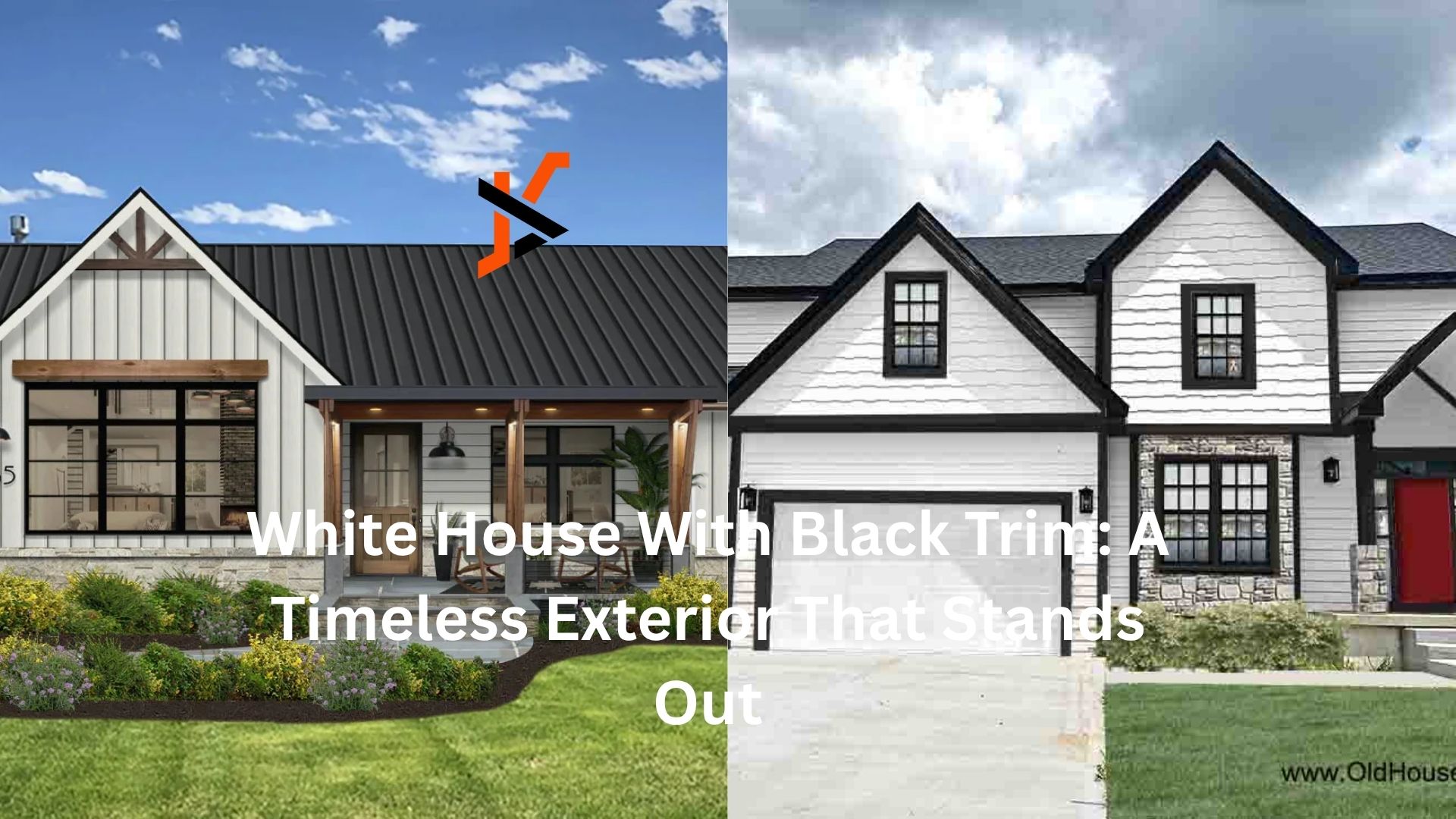
Drive through almost any neighborhood today, and you’ll notice one exterior color combination showing up again and again: a white house with black trim.
There’s a reason it keeps catching people’s attention.
The contrast is clean without feeling flashy. It looks modern but can work on homes that are 100 years old. It photographs beautifully, yet it doesn’t depend on trends the way some bold color schemes do. Whether it’s a farmhouse in the countryside, a suburban two-story, or a compact cottage, white siding paired with black accents has a way of making a house look intentional.
That doesn’t mean every white house with black trim automatically looks great, though. The details matter. The shade of white matters. The amount of black matters. Even the landscaping can change the overall effect.
Let’s look at why this combination works so well and how homeowners can get it right.
Why the Contrast Works So Well
White and black sit at opposite ends of the visual spectrum. Put them together, and the contrast naturally draws the eye.
A white exterior reflects light and creates a bright, fresh appearance. Black trim acts like a frame around the home’s architectural details. Windows appear sharper. Rooflines become more defined. Doors and shutters stand out.
Think about a simple white T-shirt paired with a black jacket. Neither color is complicated, but together they create a polished look. Houses work much the same way.
The beauty of this combination is that it doesn’t rely on decorative extras. Even a relatively simple home can look more sophisticated when the trim creates clear visual definition.
Many homeowners discover this after repainting. A house that previously blended into the street suddenly looks more custom, even though the structure itself hasn’t changed.
Not All Whites Are the Same
One mistake people make is assuming white paint is just white paint.
In reality, white comes in dozens of variations. Some have warm undertones. Others lean cool or slightly gray.
The white you choose will dramatically affect the finished result.
Warm whites tend to create a softer, more welcoming appearance. They pair especially well with natural stone, brick, and wood accents. A warm white can keep black trim from feeling too stark.
Cool whites create a crisper, more contemporary look. These shades often appear brighter and cleaner, particularly in sunny climates.
Here’s the thing: exterior light changes everything.
A white paint color that looks perfect on a sample card may appear completely different once it’s covering an entire house. That’s why testing large samples on different sides of the home is worth the effort.
Morning sun, afternoon sun, shade, and cloudy weather all reveal different sides of the color.
Choosing the Right Amount of Black
Balance matters.
Some homes benefit from subtle black accents around windows and doors. Others can handle much stronger contrast with black shutters, black garage doors, black gutters, or even black roofing.
Too little black and the effect can feel unfinished.
Too much black and the exterior may start looking heavy.
A common approach is to use black on architectural features that naturally deserve attention. Window frames are often the star of the show. They create repeating visual patterns across the exterior and help establish the home’s personality.
Black front doors are another favorite choice. They create an obvious focal point without overwhelming the overall design.
When homeowners start adding black accents, it often becomes clear where to stop. The strongest designs usually feel restrained rather than overloaded.
Different Home Styles That Wear It Well
One reason this color combination remains popular is its flexibility.
Modern Farmhouse
The modern farmhouse style helped fuel the popularity of white houses with black trim.
White board-and-batten siding paired with black windows creates a clean, recognizable look. Add a black metal roof or black light fixtures, and the design feels cohesive without becoming complicated.
Many people associate this style with large rural homes, but the same principles work surprisingly well on smaller properties.
Traditional Homes
Colonial, Craftsman, and traditional suburban homes can also benefit from black trim.
The contrast highlights architectural details that might otherwise go unnoticed. Window casings become more pronounced. Decorative trim gains definition.
Instead of making the house feel trendy, black accents often make traditional homes feel refreshed.
Contemporary Designs
Modern architecture frequently embraces stronger contrast.
Flat rooflines, large windows, and minimalist details naturally complement black trim. White walls provide brightness while black elements create structure and visual order.
The result often feels clean and intentional rather than decorative.
The Role of the Front Door
The front door has an outsized influence on curb appeal.
On a white house with black trim, homeowners have several options.
A black front door creates consistency and elegance. It’s a safe choice that almost always works.
Natural wood introduces warmth. Rich walnut or stained oak can soften the starkness of black and white while adding character.
Some homeowners choose a bold color instead. Deep green, navy blue, and muted red can all work beautifully against a white exterior.
Let’s be honest: the front door is one of the easiest places to express personality. Unlike siding or roofing, it’s relatively inexpensive to repaint if tastes change later.
Landscaping Makes a Huge Difference
A white house with black trim creates a strong visual framework. Landscaping determines whether that framework feels inviting or severe.
Greenery is particularly effective.
Shrubs, ornamental grasses, flowering plants, and mature trees soften the sharp contrast between black and white. The natural greens create a third color that ties everything together.
Imagine two identical houses.
One sits on a bare lot with little vegetation. The other has layered landscaping, flowering borders, and healthy shrubs beneath the windows.
The second house almost always feels warmer and more welcoming, even though the paint colors are exactly the same.
Simple landscaping improvements can dramatically elevate the overall appearance.
Maintenance Realities
The color scheme looks beautiful, but it isn’t completely maintenance-free.
White surfaces show dirt more easily than darker colors. Dust, pollen, mud splashes, and mildew can become visible over time.
Black trim presents its own challenges. Fading may become noticeable after years of sun exposure, especially in areas with intense sunlight.
That said, many homeowners find the maintenance manageable because the visual payoff is worth it.
Regular washing and occasional touch-ups usually keep the exterior looking sharp.
Material choice also matters. High-quality exterior paint and durable trim materials can extend the lifespan of the finish and reduce maintenance headaches later.
Roofing and Exterior Materials
The roof often plays a bigger role than people expect.
Black roofing naturally complements black trim and creates a cohesive appearance. This combination has become especially popular in modern farmhouse and contemporary designs.
Gray roofing offers a slightly softer alternative. It still works with black accents while reducing visual intensity.
The exterior material can influence the overall effect as well.
White painted brick tends to create a classic, substantial appearance.
White siding often feels lighter and more casual.
Stucco can produce a clean, modern aesthetic.
Each material interacts differently with sunlight and shadow, changing how the black trim appears throughout the day.
When the Look Might Not Be the Best Fit
Despite its popularity, a white house with black trim isn’t perfect for every property.
Some homes have architectural styles that naturally suit warmer, earth-toned palettes. In heavily wooded settings, stark black-and-white contrast can occasionally feel disconnected from the surrounding environment.
Regional character matters too.
A color scheme that feels perfectly at home in one neighborhood may seem out of place in another.
Before making a major exterior change, it’s worth stepping back and considering the broader context. The goal isn’t to copy a trend. It’s to choose colors that complement the home’s architecture and surroundings.
The best exterior designs look like they belong where they are.
Small Details That Elevate the Look
The most impressive white houses with black trim usually succeed because of the details.
Exterior lighting in matte black finishes reinforces the color scheme without demanding attention.
House numbers become more visible against white surfaces.
Black railings, mailbox posts, and hardware can create consistency throughout the property.
Even window grids affect the final impression. Black-framed windows with divided panes often create a more traditional look, while large uninterrupted panes feel modern.
None of these details are dramatic on their own. Together, however, they shape how the entire home is perceived.
That’s often the difference between a house that looks merely painted and one that feels thoughtfully designed.
A Style That Keeps Its Appeal
Some exterior color trends arrive quickly and disappear just as fast. A white house with black trim has shown remarkable staying power because it balances simplicity and contrast so effectively.
It works across architectural styles. It enhances curb appeal without relying on complicated design choices. Most importantly, it creates a clean, confident appearance that feels both current and classic.
When done thoughtfully—with the right shade of white, balanced black accents, and landscaping that softens the contrast—the result is a home that stands out for all the right reasons.
That’s why homeowners continue returning to this combination year after year. It isn’t just stylish. It makes a house feel finished.
