

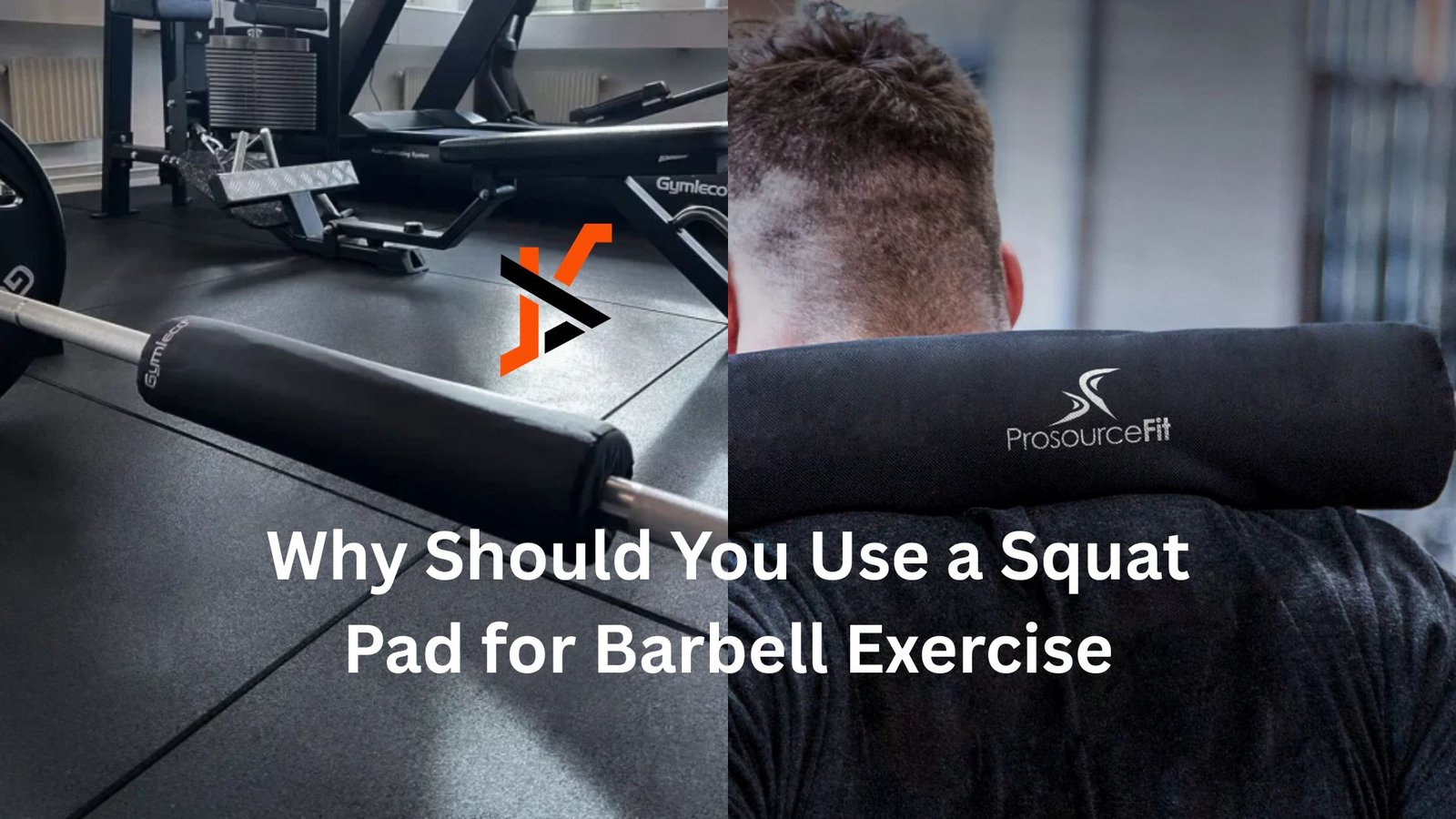
Picture this: you load up the barbell, step under it, and the moment that cold steel bar digs into the back of your neck, every rep becomes a battle against discomfort rather than a test of strength. For many gym-goers and home fitness enthusiasts, this scenario is all too familiar — and it often leads to cut-short sessions, poor form, or worse, a nagging injury that sidelines progress for weeks.
Enter the squat pad barbell accessory — a simple yet remarkably effective solution that has quietly transformed the way people train. By wrapping around the barbell and sitting between the bar and your body, a squat pad absorbs pressure, reduces friction, and lets you focus entirely on your movement rather than managing pain.
This article dives deep into why fitness enthusiasts at every level should seriously consider adding a squat pad to their home gym setup. From understanding what a squat pad actually is, to exploring its real benefits for safety and performance, to learning how it stacks up against other essential accessories — and finally, how to use one correctly — you’ll walk away with everything you need to make an informed decision and elevate your barbell training.
Understanding the Barbell Squat Pad: A Key Home Gym Accessory
A barbell squat pad is a cylindrical foam or high-density rubber sleeve designed to wrap securely around the center knurl of a barbell. Most pads feature a velcro strap or snap closure to keep them locked in place during movement, and they’re typically constructed from closed-cell foam or memory foam wrapped in a durable outer layer that resists sweat and wear. The result is a firm yet forgiving buffer that sits directly between the bar and your body, distributing the load across a wider surface area rather than concentrating it on a single pressure point.
What sets a squat pad apart from improvised alternatives — like wrapping a towel around the bar or using a folded gym mat — is its purpose-built design. A towel shifts, compresses unevenly, and can actually alter your bar position mid-set, introducing instability at the worst possible moment. A proper squat pad stays put, maintains consistent thickness, and doesn’t interfere with your natural bar path or shoulder positioning.
Within the broader ecosystem of home gym accessories, the squat pad occupies a specific and important niche. It’s not a luxury item reserved for beginners who haven’t “toughened up” yet — it’s a practical tool that addresses a genuine biomechanical challenge. Whether you’re working through high-rep hip thrust sets, loading up for heavy back squats, or introducing a younger family member to barbell training, the pad removes a significant physical barrier that would otherwise limit how effectively you can train. For anyone building out a home gym and looking to maximize both safety and long-term performance, the squat pad earns its place alongside the barbell itself.
Top Benefits of Using a Squat Pad for Fitness Enthusiasts
The most immediate and compelling reason to use a squat pad is injury prevention. When a bare barbell rests across your upper back or neck, it concentrates significant load onto a narrow band of tissue, compressing the cervical vertebrae, straining the trapezius muscles, and putting pressure on the brachial plexus — a nerve cluster that, when irritated, can cause tingling and weakness down the arms. A squat pad distributes that same load across a broader surface area, dramatically reducing peak pressure at any single point. Over time, this difference between concentrated and distributed force is what separates a sustainable training habit from a cycle of minor injuries and forced recovery.
Beyond protection, comfort is a genuine performance multiplier. When you’re not mentally fighting the sensation of steel cutting into your neck, you can direct full cognitive attention toward what actually matters: depth, bracing, drive, and tempo. Athletes who train without a pad often unconsciously shorten their range of motion or rush through reps simply to end the discomfort faster. A squat pad eliminates that psychological interference, allowing cleaner, deeper, more controlled movement across every set.
Consistency is another underrated benefit. Many people — particularly those newer to barbell training or returning after a break — avoid squats and hip thrusts entirely because of the discomfort, not the physical challenge. By removing that barrier, a squat pad makes it far easier to show up and execute the workout as planned, which compounds into measurable long-term progress.
Real-World Impact on Squat Exercises
In practice, the difference becomes obvious within a single session. High-rep hip thrust sets that previously left painful bruising on the hip bones become manageable and even comfortable. Heavy back squat sessions no longer end with a red welt across the neck. For athletes loading the bar progressively over weeks, this means heavier weights become accessible sooner — because the limiting factor shifts from pain tolerance back to actual muscular strength, exactly where it belongs.
Comparing Essential Home Gym Accessories: Squat Pads, Anti-Slip Mats, and Lifting Straps
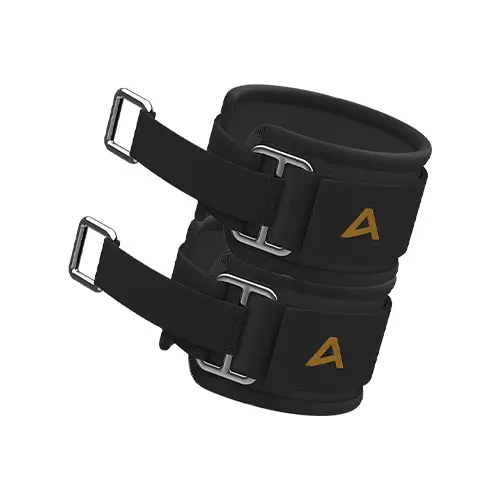
Building a functional home gym means choosing accessories that work together rather than in isolation. The squat pad barbell sleeve, anti-slip mats, and lifting straps each solve a distinct problem — and understanding where each one fits helps you invest wisely and train more safely across every session. Brands like AEKE design their fitness accessories with this kind of system-level thinking in mind, offering equipment that addresses multiple friction points in a single training environment.
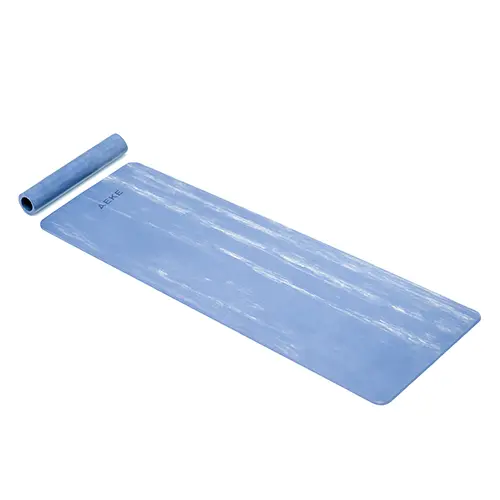
Anti-slip mats serve a fundamentally different purpose than squat pads. Placed under barbells, weight plates, or directly beneath your feet during heavy lifts, they prevent equipment from sliding on hard floors and provide a stable, shock-absorbing surface that protects both your flooring and your joints. A good mat keeps your setup grounded — literally — so that the energy you generate goes into the lift rather than compensating for a shifting base. Without one, even a well-executed squat can feel unpredictable if the barbell or your feet shift slightly at the bottom of the movement.
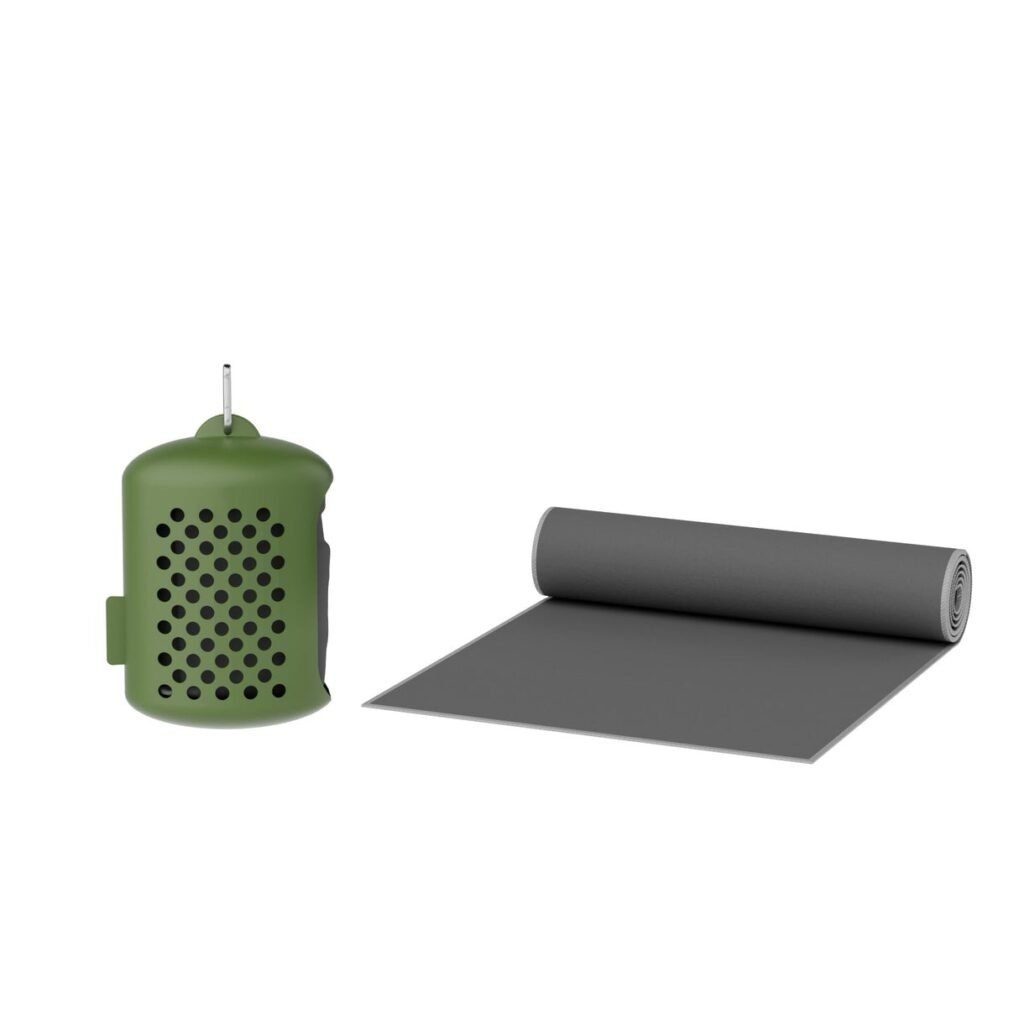
Lifting straps address grip fatigue, which becomes a limiting factor well before your back, legs, or hips give out during heavy deadlifts, rows, or barbell shrugs. By looping around the wrist and wrapping the bar, straps transfer the load from your fingers and forearms to your skeletal structure, letting your larger muscle groups work to their true capacity. They’re particularly valuable during high-volume pulling sessions where cumulative grip fatigue would otherwise force you to cut sets short.
What makes these three accessories genuinely complementary is that they each target a different failure point in the same training environment. The squat pad eliminates pressure pain at the bar-to-body contact point. The anti-slip mat stabilizes your foundation. The lifting straps extend your grip endurance. Together, they remove the most common physical barriers that interrupt a barbell session — discomfort, instability, and grip failure — creating a safer, more controlled environment where your actual fitness goals can take center stage rather than being derailed by preventable limitations.
Practical Solutions: How to Integrate a Squat Pad into Your Barbell Routine
Choosing the right squat pad starts with material. Closed-cell foam offers firm, consistent support that holds its shape under heavy loads — ideal for back squats and front squats where bar stability matters most. Memory foam conforms more to your body’s contours and works particularly well for hip thrusts, where the pad rests against the hip crease rather than the upper back. Look for a pad with a non-slip outer surface and a secure velcro or snap closure that won’t loosen mid-set. Thickness matters too: a pad between 1.5 and 2.5 inches strikes the right balance between cushioning and bar control without pushing the bar so far off your body that it destabilizes your positioning.
Placement is straightforward but worth getting right from the start. Center the pad along the barbell’s knurling so it sits symmetrically across both sides. Before unracking the bar, confirm the closure is tight — give it a firm tug. A pad that shifts even slightly during a heavy set introduces an unnecessary variable into an already demanding movement. After a few sessions, you’ll develop a feel for exactly where the pad needs to sit for your individual anatomy, whether that’s slightly higher toward the neck for a low-bar position or centered across the upper traps for a high-bar setup.
When integrating the pad into your warm-up, treat it as part of your equipment check rather than an afterthought. Attach it during your first warm-up set so you’re already dialed in before the working weight goes on the bar. This prevents the common mistake of adding it mid-session and suddenly feeling like your bar path has shifted.
Avoid the temptation to use a pad as a substitute for proper bracing. The pad reduces external pressure — it doesn’t replace a tight upper back and engaged core. Maintain your normal setup cues, and let the pad handle the comfort so you can handle the lift.
For maintenance, wipe the pad down with a damp cloth after each session and allow it to air dry before storing it. Avoid leaving it compressed under weight for extended periods, as this gradually reduces its cushioning effectiveness. Store it flat or hanging to preserve its shape between workouts.
Step-by-Step Usage Guide
Step 1 — Positioning: Slide the pad onto the barbell and center it on the knurling, then secure the closure firmly. Step 2 — Adjusting: Stand behind the bar in your normal squat stance, step under it, and feel where the pad naturally contacts your upper back or hips. Shift it slightly if needed before unracking. Step 3 — Executing: Unrack, brace your core, and perform your squat with your standard form cues intact — the pad should feel like it disappears once you’re focused on the movement. Step 4 — Post-workout: After your final set, wipe the pad clean, check the closure for wear, and store it flat in your gym bag or on a hook away from direct sunlight to extend its lifespan.
Smarter Barbell Training Starts with the Right Accessories
A squat pad barbell accessory might seem like a minor addition to your training setup, but its impact on how you train — and how consistently you can train — is anything but minor. By distributing bar pressure across a wider surface area, it eliminates the concentrated discomfort that cuts sessions short, compromises form, and gradually discourages you from showing up altogether. Paired with anti-slip mats and lifting straps, it completes a trio of accessories that collectively remove the most common physical barriers standing between you and a productive barbell session.
The benefits compound over time. Fewer pain-induced interruptions mean more completed sets. More completed sets mean steadier progressive overload. Steadier overload means measurable, sustainable gains — the kind that actually reflect your effort rather than your pain tolerance. Whether you’re building a home gym from scratch or refining an existing setup, the squat pad earns its place not as an optional comfort upgrade, but as a practical safety tool that protects your cervical spine, traps, and hips across thousands of reps to come.
If you’ve been avoiding heavy squats or hip thrusts because the bar-to-body contact is simply too uncomfortable to push through, that’s your signal. Add a squat pad, follow the placement and maintenance steps outlined here, and let your fitness goals — not preventable discomfort — define the limits of your training.
