

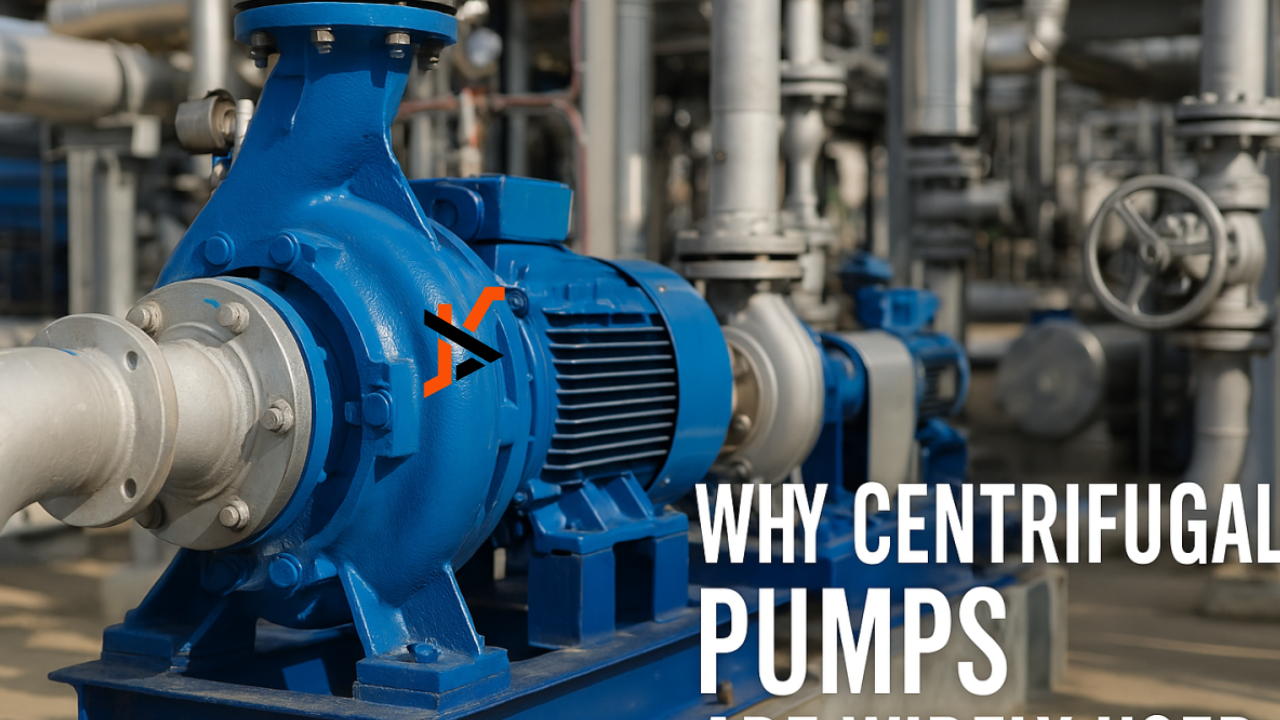
When a pump fails at an oil refinery, it’s rarely a minor issue. It could mean flammable vapor leaks, HSE shutdowns, or corrosion damage that halts production. And often, the problem isn’t the fluid. It’s the wrong pump.
That’s why specialized pumps for oil and gas applications have become critical. These aren’t off-the-shelf products. They’re engineered to handle volatile mixtures, aggressive pressures, and zero-leak environments.
Let’s break down what makes oil and gas such a high-demand sector for pumps and how specialized systems are reshaping safety and uptime in plants across India and abroad.
The Unique Pumping Demands in Oil & Gas Operations
Refineries, offshore rigs, gas separation units, and FPSOs all deal with high-stress conditions daily.
1. Temperature and Pressure Fluctuations
- Fluids shift from ambient to 180°C within minutes
- Pumps must handle sudden pressure spikes in injection systems
2. Corrosive and Abrasive Media
- Sour gas (H₂S), MEG, amines, and slurries erode metal internals
- Seawater contact accelerates surface corrosion offshore
3. Explosion Risk Zones (Class I, Div I/II)
- Pumps must meet ATEX or IECEx standards
- Motors and housing require flameproof certification
4. Continuous Duty and Zero Leakage
- Many pumps run 24×7 for months
- Leak-proof operation is non-negotiable in hydrocarbon-rich zones
A general-purpose centrifugal pump isn’t designed for this. Using one is not just inefficient—it’s dangerous.
Where Standard Pumps Fall Short in the Oil & Gas Sector
Many facilities still use modified process pumps to cut procurement time or reduce upfront cost. The result?
| Challenge | Result with Standard Pumps |
| High fluid viscosity | Impeller overload, motor failure |
| Corrosive media | Rapid pitting and material failure |
| Volatile hydrocarbons | Seal failure, vapor leaks |
| Sand or slurry presence | Eroded volutes and impeller imbalance |
Even with stainless steel variants, metal fatigue and chemical reactions shorten life cycles. Maintenance escalates. Downtime becomes frequent.
For safety officers and plant managers, this creates constant firefighting. Replacing pumps every 6–9 months in corrosive zones is neither cost-effective nor sustainable.
How Specialized Pump Designs Solve Industry Problems
Specialized pumps aren’t defined by shape or size. They’re defined by purpose.
Let’s break this into specific solutions used in oil and gas pumping:
1. Non-Metallic Build
- FRP, PTFE-lined, or PP casing options resist acid gases and chlorinated solvents
- No internal rusting, flaking, or galvanic reactions
2. Magnetic Drive Systems
- No mechanical seal = zero leakage points
- Ideal for explosive and toxic fluids
3. Thermoplastic or Ceramic Bearings
- No lubrication required
- Resistant to dry-run damage in stripping operations
4. Modular Design for Skid Integration
- Pumps fit into compact skid systems for offshore rigs or trailers
- Reduces installation footprint and pipe routing complexities
These pumps aren’t retrofitted, they’re built ground-up for volatile and corrosive duty cycles.
Types of Specialized Pumps Used Across the Oil & Gas Value Chain
Each segment needs a different solution. Here’s how pumps are applied across upstream, midstream, and downstream operations:
Upstream (Drilling & Extraction)
- Mud handling pumps: Abrasion-resistant internals
- Chemical dosing pumps: Small volume, high precision, corrosion-resistant
- Seawater lift pumps: FRP body with anti-salt scaling properties
Midstream (Transport & Storage)
- Crude booster pumps: High pressure, seal-less magnetic drive
- Pipeline injection pumps: Built to withstand cavitation
Downstream (Refining & Petrochem)
- Naphtha handling pumps: Explosion-proof casing
- MEG/amine transfer: PTFE-lined internal surfaces
- Effluent neutralization pumps: Acid/base chemical compatibility
Each application needs tailored specs, not just flow rate and head, but material, drive type, and sealing mechanism.
Material Selection: Why Non-Metallic Pumps Make Sense
Here’s where engineers need to pause. Metallic pumps (even alloyed) suffer from internal degradation in chemical-rich environments. Specialized non-metallic pumps outperform them in specific use cases.
| Parameter | Metallic Pumps | Non-Metallic Pumps |
| Acidic corrosion | Moderate to high | Low to none |
| Weight | Heavy (steel builds) | Lightweight |
| Electrical conductivity | Conductive (needs ground) | Non-conductive |
| Maintenance requirement | Frequent (coating loss) | Low (minimal scaling) |
| Ideal applications | Mechanical stress zones | Corrosive chemical zones |
By switching to non-metallic builds, operators reduce replacement frequency and cut leak risk significantly.
Compliance, Certification & Safety Considerations
Regulatory approvals aren’t optional. They’re baked into project tenders.
1. API, ISO, and ATEX Ratings
- API 610 is a must for process pump installations
- ATEX and IECEx certifications are non-negotiable for explosion zones
2. Environmental Compliance
- Pumps with magnetic drives and leak-proof casing support zero-emission standards
- Helps plants align with ESG goals and avoid fines
3. Maintenance & Repair Protocols
- Pumps with cartridge-based internals reduce technician exposure
- Easy visual inspection lowers service time
Specialized pump vendors often work directly with client HSE teams to align documentation, installation, and handover processes.
How Chemitek Addresses These Demands
Chemitek doesn’t build general-use pumps. Their product development starts with fluid analysis, pressure mapping, and zone classification.
Here’s what makes Chemitek a go-to in this space:
- Corrosion-resistant materials: PTFE-lined FRP, PP, and UHMWPE
- Custom-built magnetic drive configurations for hydrocarbon-heavy fluids
- Seal-less designs with zero leak performance
- ATEX-compliant builds with options for flameproof motors
- Wide range from 0.5 HP to 150 HP, depending on duty point
- CIP/SIP-ready units for refinery-grade hygiene requirements
Their pumps are already used in:
- Crude distillation units
- Refinery effluent systems
- Offshore processing skids
- Oil terminal transfer stations
- Amine and glycol handling units
With in-house testing for temperature, corrosion, and flow, Chemitek shortens commissioning time and ensures right-first-time installs.
Final Thoughts: Specialized Pumps Are No Longer Optional
The oil and gas sector doesn’t leave room for compromise. One wrong seal, one misaligned impeller, or one overworked motor can put lives and millions of dollars at risk.
Specialized pumps for oil and gas aren’t an upgrade; they’re a requirement. The right pump does more than move fluid. It protects assets, improves uptime, and keeps compliance airtight.
Chemitek, with its non-metallic, corrosion-resistant, and leak-proof pump designs, is helping Indian and global oil and gas clients meet these expectations without overengineering or cost inflation.
If you’re still trying to make standard pumps work in complex zones, it’s time to switch. Engineering safety starts with engineering the right pump.
