

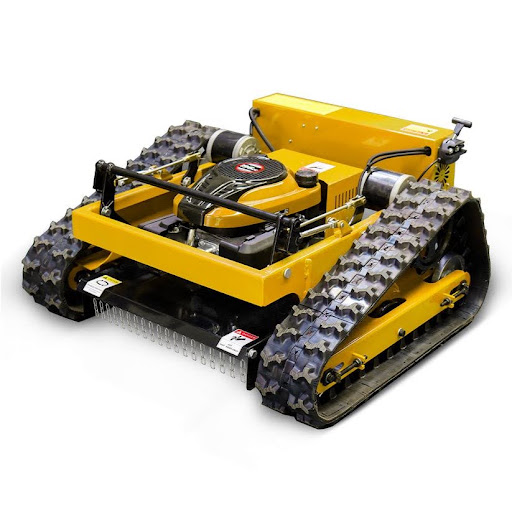
A tracked mower can transform steep slope maintenance from a dangerous, back-breaking task into a controlled, productive one. It can also empty a bank account fast if the wrong unit is bought for the wrong terrain. Land managers, orchard owners, solar site operators, and municipal grounds crews all end up shopping for these machines eventually, usually after a scare with a wheeled unit on a wet hillside or after an operator refuses to run a walk-behind on a bank one more time. The trouble is that specifications on paper rarely tell the full story. Slope ratings assume ideal conditions. Cutting decks are measured in ways that hide real productivity. Track systems come in variants that behave completely differently in mud. This guide walks through the mistakes that cost buyers the most so you can avoid them and choose a machine that actually solves the problem in front of you.
Mistake One: Trusting Manufacturer Slope Ratings at Face Value
The number on the brochure is measured on dry, firm turf with no obstacles and a fresh operator. Reality on a working slope includes wet grass, hidden rocks, tired crews, and gradient variations across a single pass. A well-designed tracked lawn mower with a rated capability of fifty-five degrees is usually safe up to about forty-five in real conditions. Treat the manufacturer figure as an absolute ceiling under best-case conditions, not a working range. If the steepest section of your site sits near that ceiling, the machine is undersized and you should look at the next class up.
Center of Gravity Matters More Than the Rating
Two machines with identical slope ratings can behave very differently on the ground. A low-slung unit with a wide track base sits more stably than a taller machine with the engine mounted high. When comparing models, check the height of the engine and the width between the track centerlines. A lower engine and wider stance always wins on real terrain, regardless of what the spec sheet claims.
Mistake Two: Undersizing the Cutting Deck
Small decks look cheaper and easier to store, but they finish jobs slowly. On a large parcel, an operator running a thirty-inch deck spends nearly twice as long on the same acreage as one running a fifty-inch deck. That time cost adds up fast when calculated against a season of mowing. Match the deck width to the smallest gate or path you have to enter, then buy the largest deck that will still fit. Do not buy small because you occasionally cross a narrow gap.
Cut Quality on Rough Ground
A wider deck is not automatically better if the terrain is uneven. Larger decks scalp on undulating ground unless they have floating suspension or anti-scalp wheels. If your site includes hummocks, drainage swales, or gopher damage, prioritize a deck with anti-scalp features over raw width. A slightly narrower deck that cuts cleanly is worth more than a wide deck that leaves torn patches.
Mistake Three: Ignoring Track System Design
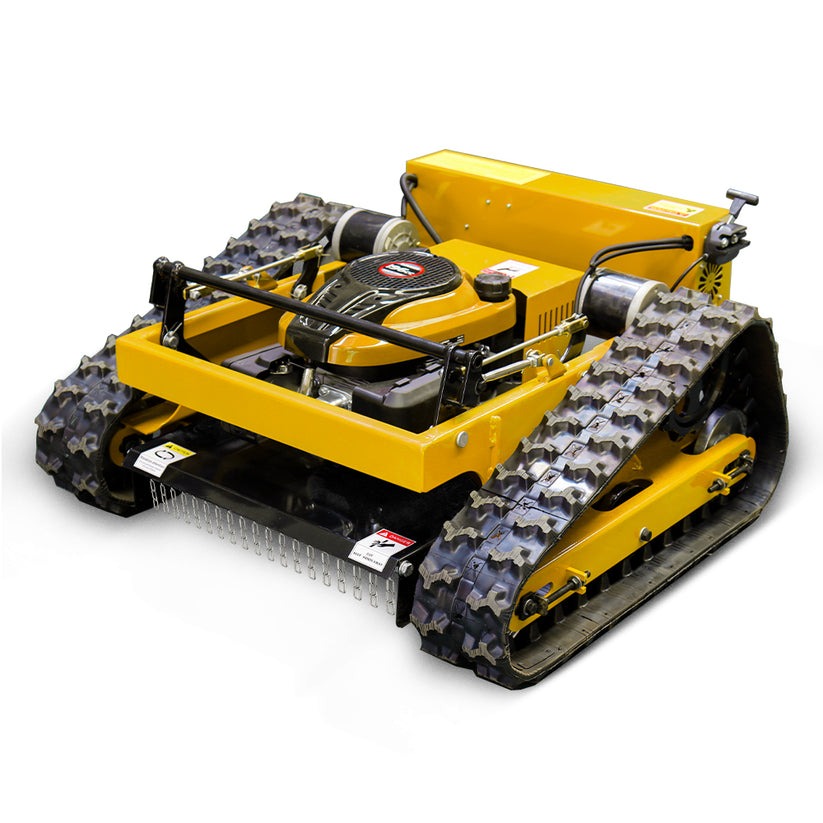
Rubber tracks look similar across brands, but the details decide whether the machine still works in year three. Track cleat height, internal steel cord construction, and the geometry of the drive sprocket all affect wear life. Cheap tracks with shallow cleats slip on wet grass. Poorly designed sprockets chew the internal cords and cause premature failure. Ask suppliers for track replacement intervals from real customers, not marketing brochures. A machine that eats a set of tracks every eight hundred hours will cost more over its life than a slightly more expensive unit that runs two thousand hours between replacements.
Track Tension and Undercarriage Access
Track tension needs regular adjustment. A machine that requires two people and specialty tools to tension the tracks will be neglected by operators, and neglected tracks fail early. Look for grease-nipple tensioners that a single operator can service in five minutes. Quality machines from established manufacturers such as MMS INDUSTRIAL put these access points where they can actually be used, which turns a maintenance requirement into a quick daily habit rather than a monthly service call.
Mistake Four: Overlooking Operator Control Options
Slope mowers come in walk-behind, remote-control, and ride-on formats. Each has a place. Walk-behind is cheapest but exposes the operator on the slope. Remote-control keeps the operator off the machine entirely, which matters on grades that are simply too steep for a person to walk safely. Ride-on units cover flat areas quickly but should never be used on slopes that require the operator to lean uphill to stay in the seat.
When Remote Control Justifies the Cost
Remote-control mowers cost more up front but solve real problems on solar farms, dam faces, highway embankments, and orchard slopes where operator safety is a legal exposure. If your insurance premium reflects slope work, the cost difference between a walk-behind and a remote model may be paid back in premium reductions within a season or two. Get an insurance quote both ways before assuming remote control is unaffordable.
Mistake Five: Skipping the Demo on Your Own Terrain
The final and most expensive mistake is buying without a site demo. A machine that handles beautifully on a dealer’s flat lawn may perform poorly on your specific slopes and grass type. Request a demo on the actual terrain you plan to mow. Watch how the machine turns on wet grass, how it climbs your worst grade, and how the operator feels after an hour. If a dealer refuses a real demo, that refusal tells you something important about the machine.
Buying a Slope Mower Without the Regret
Slope mowing equipment is one of the few categories where the wrong purchase creates immediate safety and financial pain. Avoiding the common mistakes comes down to five habits: distrust the printed slope rating and buy a class up if you sit near the ceiling, size the cutting deck for productivity rather than storage, dig into track and undercarriage design instead of trusting brand names, match the control format to the risk profile of your site, and never skip a demo on your actual terrain. Buyers who follow these steps end up with machines that finish the season stronger than they started it, and operators who look forward to the slope work instead of dreading it. Buy the wrong unit and every mowing day is a small crisis. Buy the right one and slope mowing becomes just another line item.
