

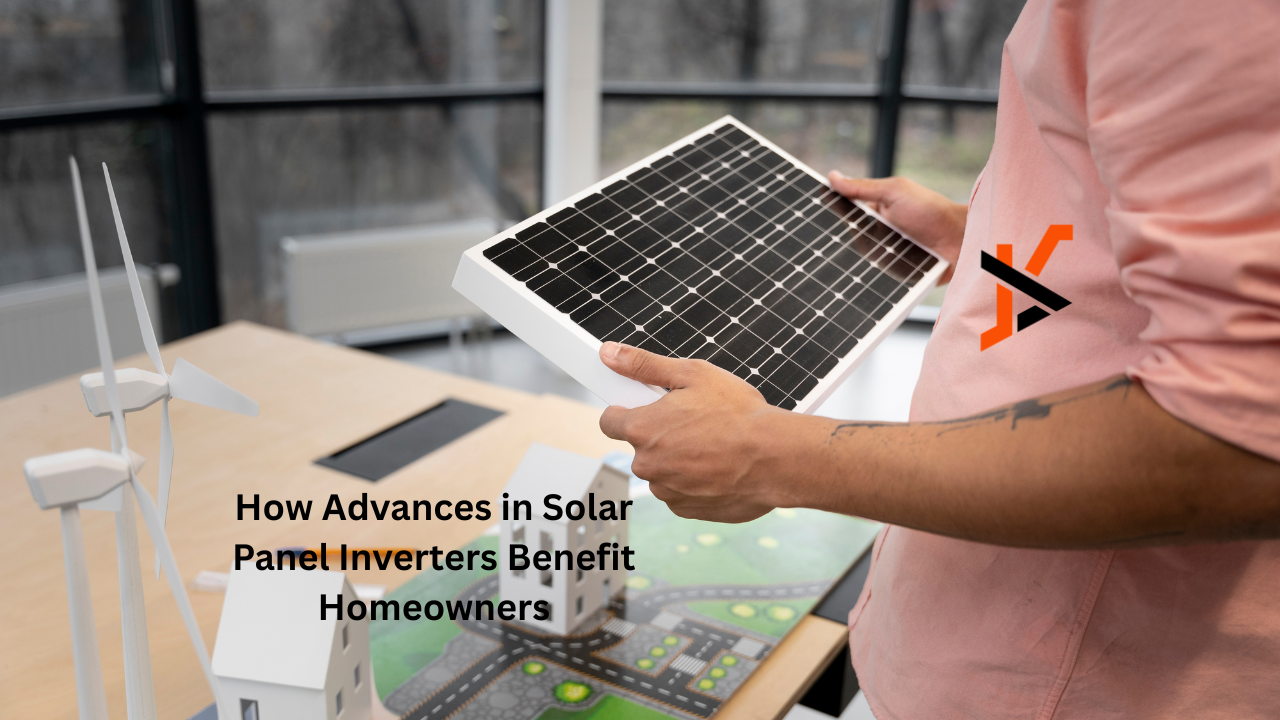
Solar panels are just one part of a home solar system. The technology that truly makes them work efficiently and safely is the inverter. Over the past decade, domestic solar panel inverters have undergone significant improvements, transforming the way homeowners generate, manage, and use renewable energy. If you are considering solar power for your home, understanding these advances can help you make the most of your system and maximise the benefits.
The Role of the Inverter in a Solar System
At its core, a solar panel inverter converts the direct current (DC) electricity generated by your solar panels into alternating current (AC) electricity that your home can use. Without an inverter, your solar panels would produce energy that cannot power your lights, appliances, or heating systems.
Beyond conversion, modern inverters perform several other vital functions. They optimise the performance of each panel, monitor the system’s efficiency, and ensure compliance with safety standards. Essentially, the inverter acts as the brains of your solar setup, coordinating how energy is produced, stored, and consumed.
Greater Efficiency Means More Energy for Your Home
One of the most significant advances in inverter technology is improved efficiency. Modern inverters convert a higher percentage of your panels’ DC output into usable AC electricity, meaning less energy is lost during conversion. For homeowners, this translates directly into more electricity available for daily use, reducing reliance on the grid and lowering energy bills.
Earlier models often struggled with performance under partial shading or suboptimal conditions, but today’s inverters incorporate advanced algorithms and panel-level optimisation. This ensures that even if one panel is shaded or partially obstructed, the rest of the system continues operating near peak efficiency.
Smarter Monitoring and Control
Recent inverters come with sophisticated monitoring systems, allowing homeowners to track energy production and consumption in real time. Through dedicated apps or web portals, you can see exactly how much electricity your panels are generating, how much you’re using, and how much is being exported to the grid.
This level of insight allows you to make smarter energy decisions, such as running high-consumption appliances when solar production is at its peak. For households considering battery storage, modern inverters can manage the flow of energy between the panels, the battery, and your home, ensuring you make the most of every kilowatt produced.
Improved Reliability and Longevity
Inverter technology has also become more reliable and durable. Early domestic models had shorter lifespans and were prone to failure in extreme weather conditions. Today, premium inverters are designed to last 15 to 20 years, with robust protection against voltage fluctuations, overheating, and moisture ingress.
For homeowners, this means fewer maintenance worries and more consistent energy production over the lifetime of the system. Warranties have also improved, providing additional peace of mind that your investment is protected.
Compatibility with Battery Storage and Smart Home Integration
As domestic solar systems increasingly include battery storage and smart home devices, inverters have evolved to manage these technologies seamlessly. Modern hybrid inverters can direct excess energy to a home battery, optimise charging cycles, and integrate with home energy management systems.
This capability allows you to use stored solar energy during the evening or at night, further reducing grid dependency and boosting overall savings. It also enables compatibility with emerging smart technologies, including electric vehicle charging, heat pumps, and home automation systems.
Enhanced Safety Features
Inverters today include advanced safety mechanisms that protect both your home and the grid. For instance, many models feature rapid shutdown capabilities in case of emergencies, and sophisticated anti-islanding technology ensures that excess electricity does not pose a risk to utility workers during outages.
These safety improvements mean that homeowners can benefit from solar power with confidence, knowing that both people and property are protected while the system operates efficiently.
Easier Installation and Maintenance
Modern inverters are also more compact and user-friendly, making installation faster and less intrusive. Many come with plug-and-play features and intuitive interfaces that allow installers to commission systems quickly and homeowners to monitor performance easily.
Maintenance requirements have similarly decreased. With automated diagnostics, remote monitoring, and fewer mechanical components, modern inverters require minimal intervention, allowing you to enjoy your solar system without the need for constant technical oversight.
What This Means for Homeowners
For homeowners, these advances in inverter technology for domestic solar panels have several practical implications:
- Higher savings: More efficient energy conversion and better optimisation mean more of the electricity your panels generate is available to use or store.
- Greater autonomy: Battery integration and smart energy management give you more control over when and how you use electricity.
- Peace of mind: Longer lifespans, improved reliability, and advanced safety features reduce risk and maintenance concerns.
- Future-proofing: Modern inverters are compatible with emerging technologies, ensuring your system remains relevant as energy solutions evolve.
In short, the improvements in inverter technology make domestic solar panels a more attractive, reliable, and flexible solution for homeowners than ever before.
Conclusion
The inverter may be the unsung hero of your domestic solar system, but its evolution has had a profound impact on the value and performance of home solar power. Higher efficiency, smarter control, enhanced safety, and integration with batteries and smart technologies mean that homeowners can increase savings, reduce carbon footprints, and enjoy greater energy independence.
As solar technology continues to advance, investing in a modern, high-quality inverter is one of the smartest ways to ensure your home energy system delivers optimal performance today and remains future-ready for years to come.
