

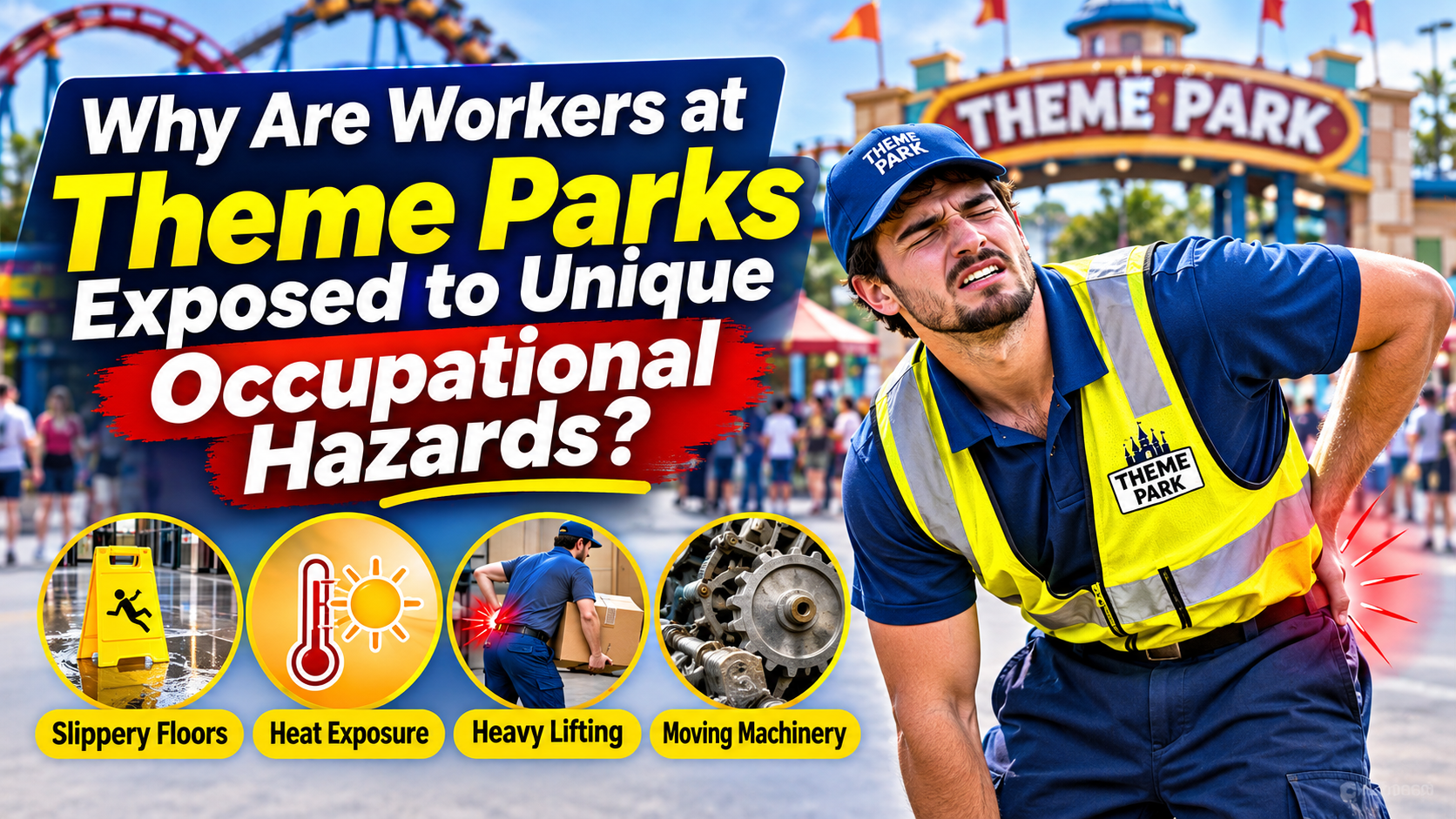
The amusement park industry thrives on creating unforgettable experiences for its guests. However, for employees, the work is often physically demanding, fast-paced and sometimes dangerous. Here we’ll break down some of the reasons why amusement park jobs can be more hazardous than they seem and what you should do if you’ve been injured at work.
Why Can Amusement Park Jobs Be More Dangerous Than They Look?
Working at an amusement park can be a very enjoyable and rewarding career. However, there are still risks involved. Employees are not only expected to remain friendly, but also alert, fast and professional. They’re exposed to all sorts of environmental conditions, including extreme heat and rain. Loud noises and large crowds also add to the pressure and stress of the job.
For amusement parks to run smoothly, several systems must seamlessly work together. For example, ride operators are responsible for ensuring guest safety and loading and unloading passengers, all while standing on their feet for hours on end. Ride maintenance workers face demanding schedules, often waking up very early to inspect and repair equipment before the park opens.
Food service workers in amusement parks must often move quickly between hot surfaces, sharp tools and wet floors. Performers are expected to dance, lift and repeat the same movements over and over multiple times a day. Custodial workers are required to clean up spills, lift heavy trash bags and handle dangerous chemicals.
If you work at a park, your employer is responsible for keeping you safe. This includes providing you with proper training, along with ongoing training as your position evolves or changes.
Common Hazards Amusement Place Workers Face
Depending upon their specific roles, amusement park workers face various types of workplace hazards. Here’s a closer look at some of the most common ones, where they might occur and the potential injuries that could result from them.
Slipperly Floors and Walkways
Tripping hazards are everywhere in amusement parks. Slippery floors and walkways are often found in restaurants, water rides, restrooms, backstage areas and outdoor walkways. A trip or a fall can cause knee, back, wrist or head injuries.
Repetitive Movements
Ride operators, merchandise sellers, food service employees and entertainers all perform repetitive movements throughout their workdays. Wrist and joint injuries can occur as a result.
Heavy Lifting
Maintenance, custodial, food service and hotel operators all deal with heavy lifting while on the job. Heavy lifting is associated with back injuries, herniated disks, shoulder injuries and muscle strains.
Heat Exposure
Amusement parks experience the highest number of visitors during the spring and summer months. Workers manning outdoor attractions, parking and landscaping operations face a real risk of heat-related illnesses, including heat exhaustion, dehydration and fainting. These types of injuries are especially concerning for costumed workers.
Moving Machinery
Roller coasters and other amusement park rides offer visitors a thrill. However, maintenance and ride systems workers are at risk of crush injuries, amputations, fractures and burns. Workers in the kitchens, laundry and equipment rooms are also at risk of moving machinery injuries.
Guest Incidents, Noise and Crowd Pressure
Working in the hospitality industry or among large crowds poses unique risks for employees. Common injuries include assaults, sprains, emotional distress and head injuries.
Additionally, the noise and crowds associated with shows, parades and ride queues may contribute to hearing issues and stress-related symptoms.
Why Are Amusement Park Injury Claims Complicated?
Amusement park injury claims may initially seem quite straightforward. However, they can become more complicated than you think.
First, these types of employers are often large companies with their own internal reporting systems, insurance teams and HR departments. Employees must usually follow strict procedures after getting hurt on the job. Many workers feel pressured to follow company instructions without completely understanding their rights.
Some of the most common issues that injured employees run into include the following:
- The employer claims that the employee didn’t fill out the internal incident report correctly.
- The company’s insurance team delays approvals for doctor visits, resulting in treatment delays and worsening conditions.
- The company-approved doctor does not fully understand the physical demands of the job.
- While injured, late, missing or undercalculated wage-replacement checks lead to financial stress.
- The employee is pressured to return to work before they are fully healed.
- The worker’s injury is blamed on a pre-existing condition like back strain or joint problems.
- The claim is denied after too much time has passed since the injury.
These kinds of corporate hurdles often leave an injured employee at a loss for what to do. If this happens, it’s important not to assume that the insurance company has the final say. In these situations, the next best step may be to consult an experienced work injury lawyer like those at Laffey Bucci D’Andrea Reich & Ryan to explore the options available to you.
What Should You Do if You’ve Been Injured While Working at an Amusement Park?
Working at an amusement park can be a rewarding experience. However, like any occupation, there are real risks involved. If you are injured on the job, you can seek compensation for lost wages, medical care and pain and suffering.
To build a strong case and ensure the best chances of receiving the compensation you deserve, you should take the following steps:
- Seek emergency care and go to the doctor as soon as possible.
- Report the injury to your employer when it happens.
- Make sure to preserve all evidence of your injury, including photos, videos and medical records.
- Write down what you remember from the incident and collect witness statements from other workers or park visitors.
- Meet with a workers’ compensation attorney to review your options for a work-related injury claim.
A workers’ compensation lawyer can review all the facts surrounding your case. They’ll take a closer look at the evidence and the information given to them to determine how much your claim may be worth.
Remember, if you work at an amusement park and get hurt on the job, you have legal rights. You do not have to wait until your employer denies your claim. A lawyer can guide you through the process, protect your rights and work to get you fair compensation for your work-related injury.
